New Creative Districts
Redefining Urban Life in China
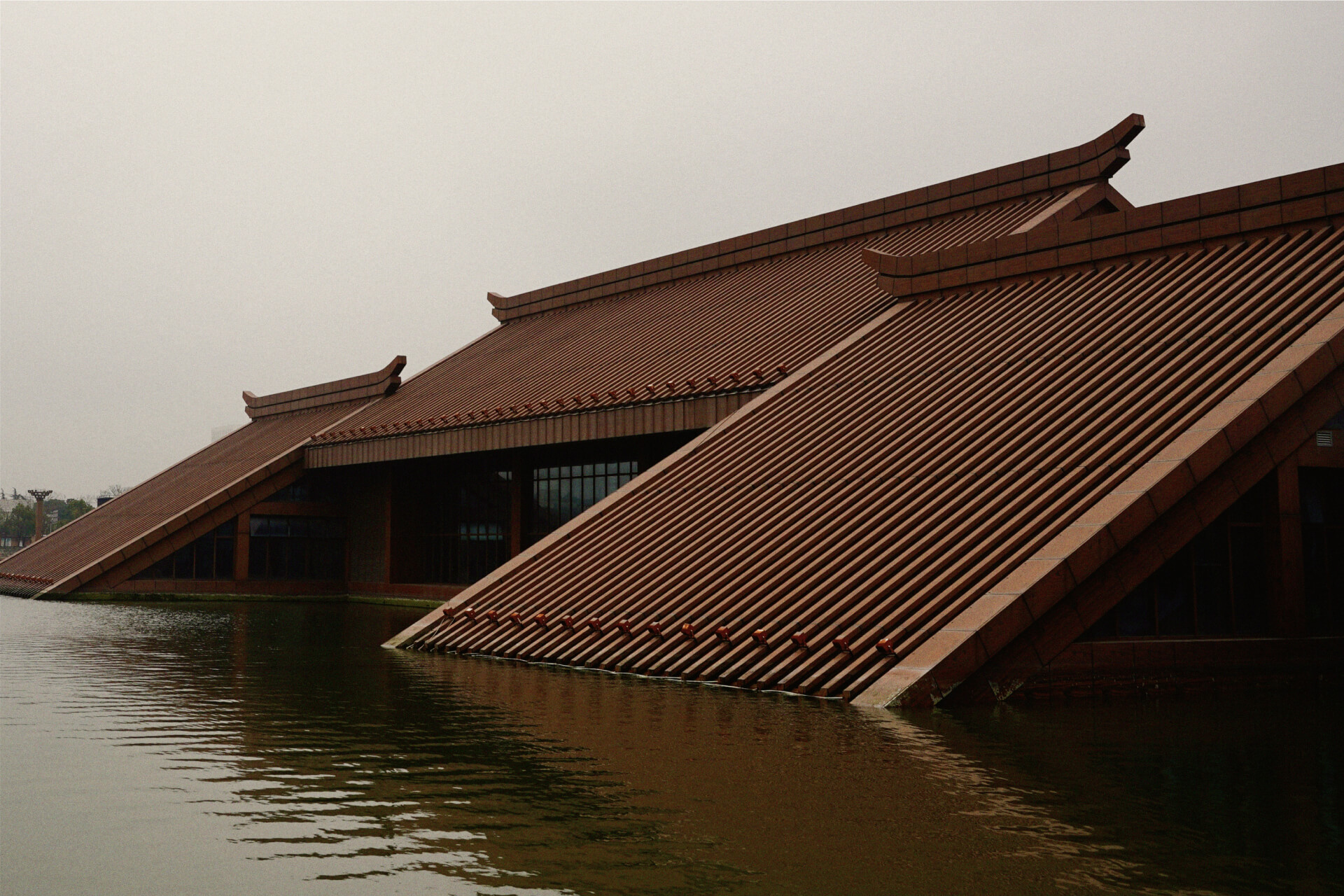
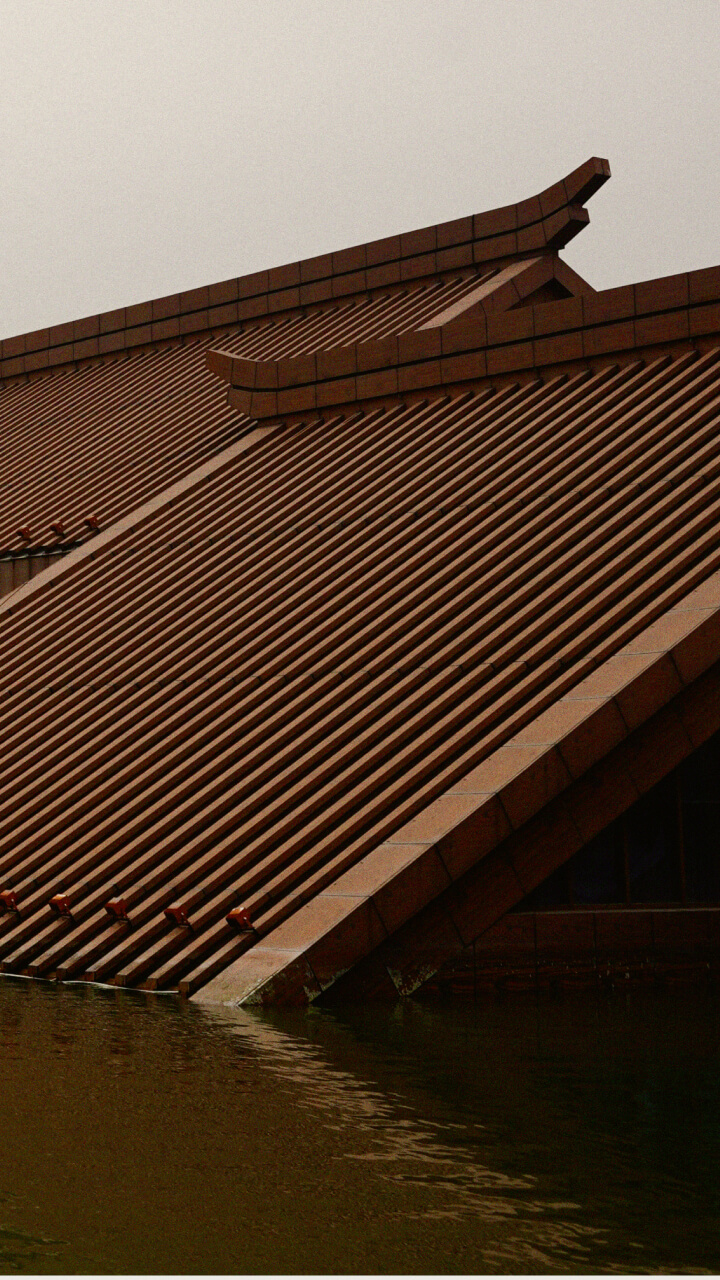
In China, creativity is no longer confined to museums or official institutions. It permeates hybrid neighborhoods where galleries, cafés, studios, and bookstores serve as everyday cultural infrastructure. These districts don’t aim for spectacle, but for continuity—places people return to for reading, working, conversing, and witnessing the formation of contemporary taste. The new creative districts are no longer defined solely by art, but by daily life. Signature cafés function as informal offices, bookstores host evening talks, and galleries coexist with design shops or studios open to the public.
Shanghai
New Creative Districts China
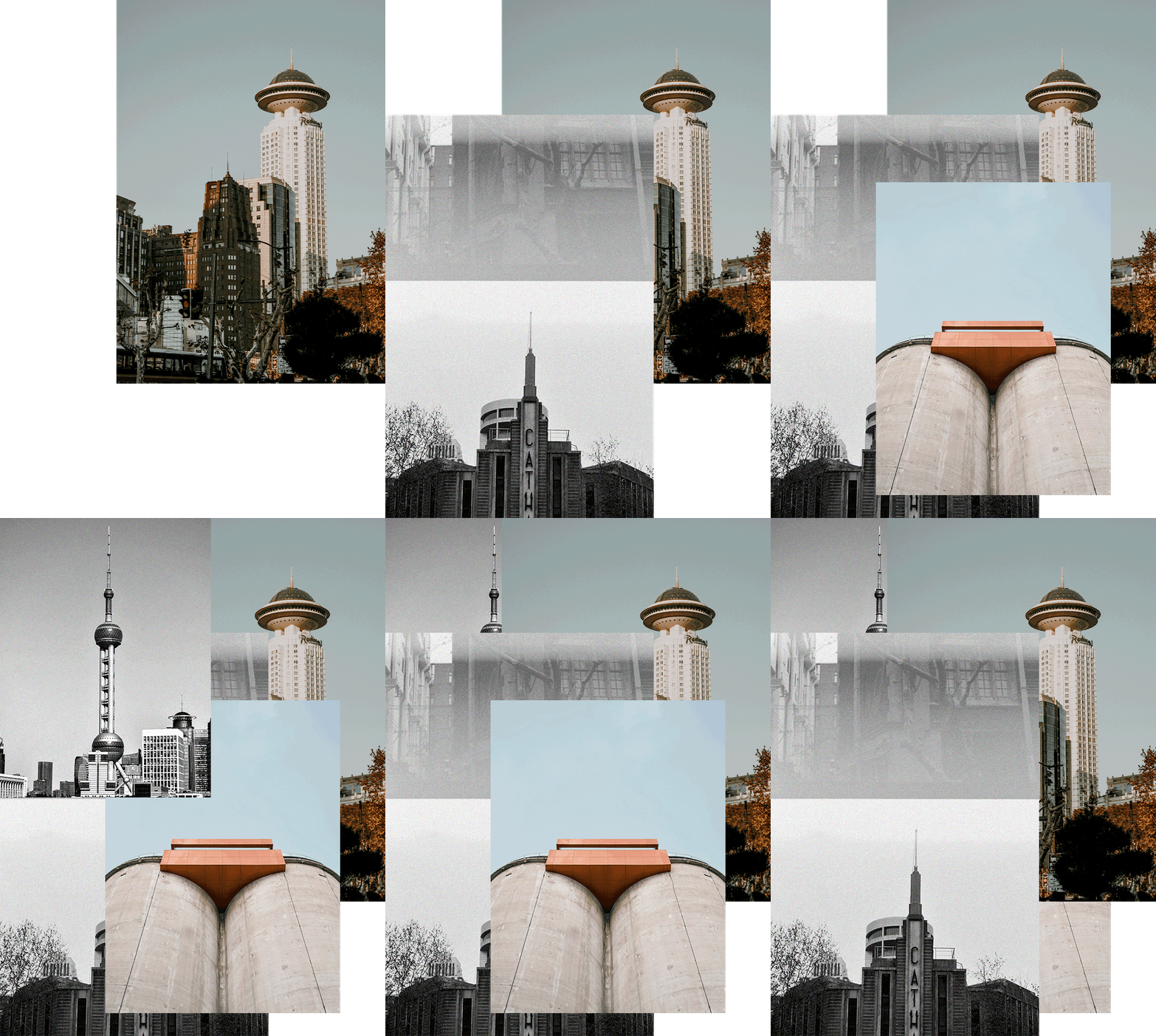
In Shanghai, creativity takes the form of a constantly expanding network. Former warehouses, repurposed industrial complexes, and side streets host experimental galleries, concept stores, and minimalist cafés that interact with fashion, architecture, and music.
Spaces like ShanghART Gallery serve as key nodes in this network: an internationally renowned gallery that blends seamlessly with the urban rhythm, far from institutional solemnity. Just steps away, any Seesaw Coffee can become an improvised office, a meeting point, or a space for reflection—showing how coffee has become a natural extension of creative work.
The experience continues in bookstores like Zhongshuge, where theatrical architecture turns reading into a spatial experience. In Shanghai, the creative district is not a closed destination but a state of movement: spaces appear, shift, and disappear quickly, and visitors don’t just come to “see” but to participate, sit down, observe, and become part of the art and culture.
Beijing
New Creative Districts China
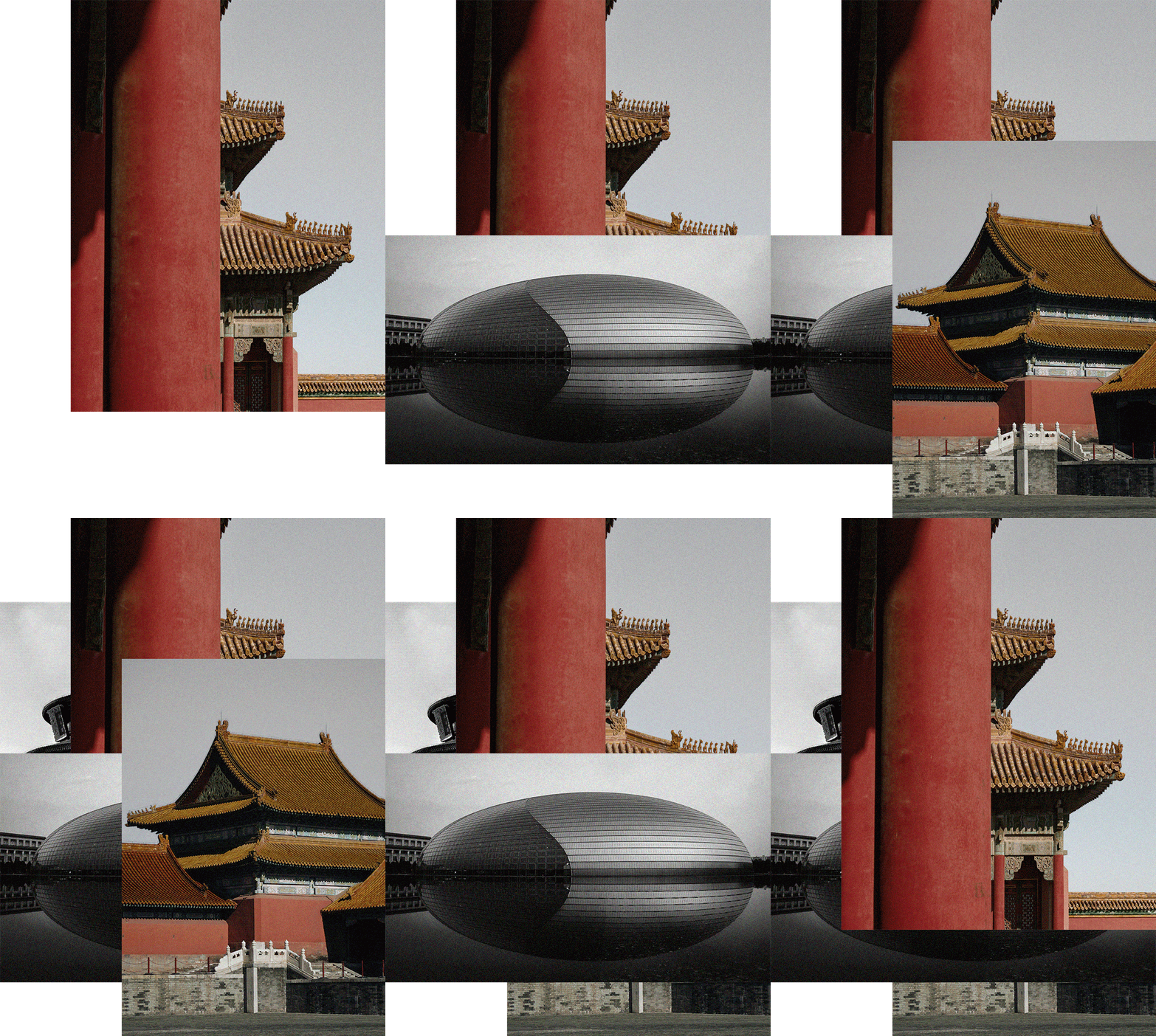
If Shanghai is speed, Beijing is conceptual density. Beyond the well-known 798 Art District, new creative hubs emerge around independent galleries, specialized bookstores, and quiet cafés that serve as extensions of intellectual debate.
Institutions like the UCCA Center for Contemporary Art set the tone: ambitious exhibitions, rigorous curatorial design, and a young, critical, and informed audience. But cultural life also thrives on a more intimate scale, such as at Metal Hands Coffee—a specialty café where designers, editors, and artists carry on discussions over coffee and notebooks.
The bookstore here takes on an almost militant role. Sanlian Taofen Bookstore is more than just a bookstore; it is a cultural meeting place where reading remains an active gesture. In Beijing, the creative district is not just about displaying art—it builds discourse.
Chengdu
New Creative Districts China
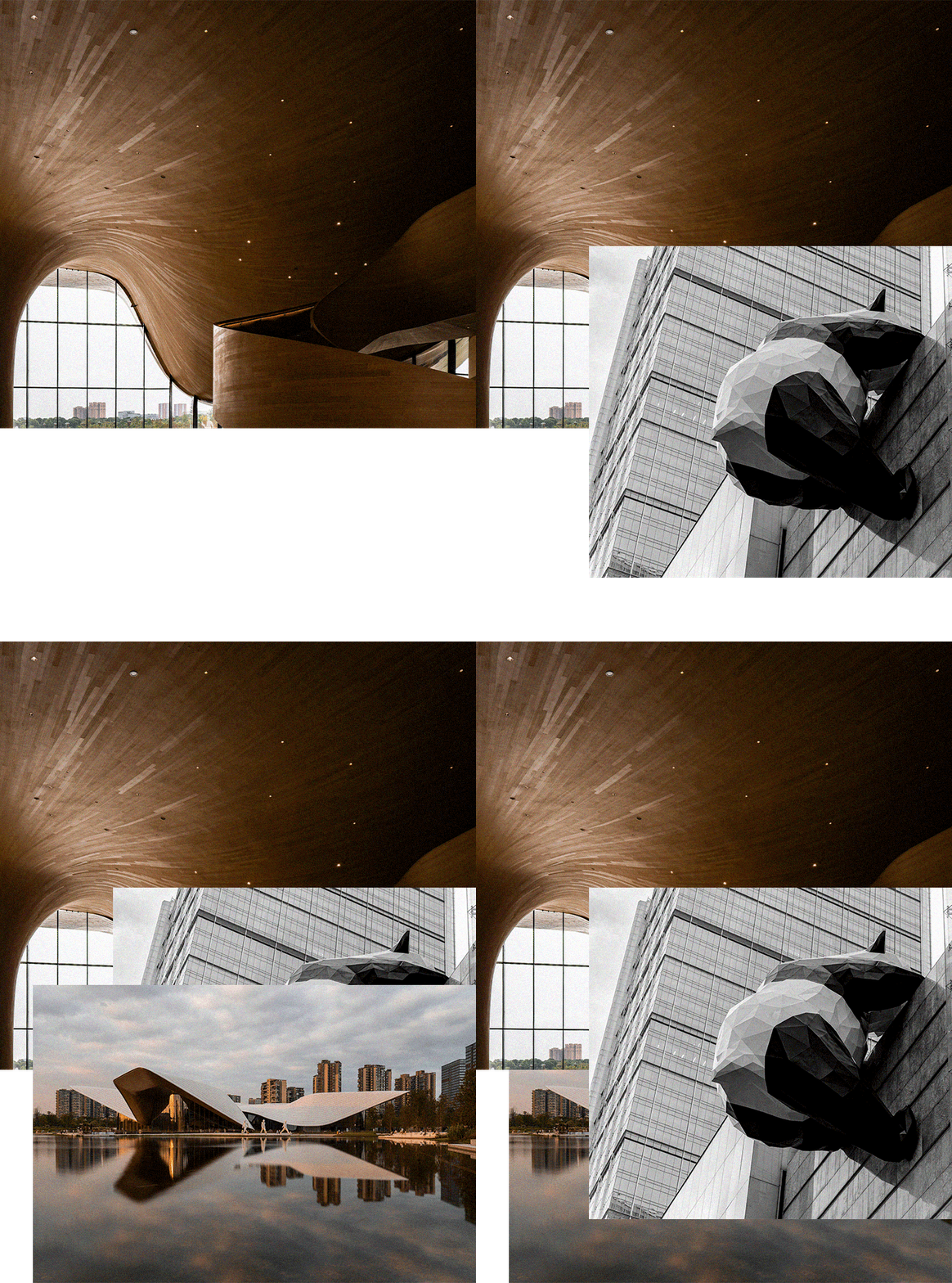
In Chengdu, the creative scene unfolds at a different pace. Here, cultural districts are organized around everyday pleasures: contemporary teahouses, cafés designed for long stays, and artisanal studios that invite visitors to slow down.
The a4 Art Museum serves as the nerve center of this scene, offering accessible, well-produced exhibitions that engage with the local community. Around it, spaces like % Arabica Chengdu translate international minimalism into a more relaxed tempo, in tune with the city’s laid-back character.
The experience continues in bookstores like Zhongshuge Chengdu, where literature, design, and silence coexist unhurriedly. In Chengdu, creativity doesn’t seek to dominate but to accompany—a culture of long timeframes, where luxury lies in repeated gestures and loyalty to a place.
Hangzhou
New Creative Districts China
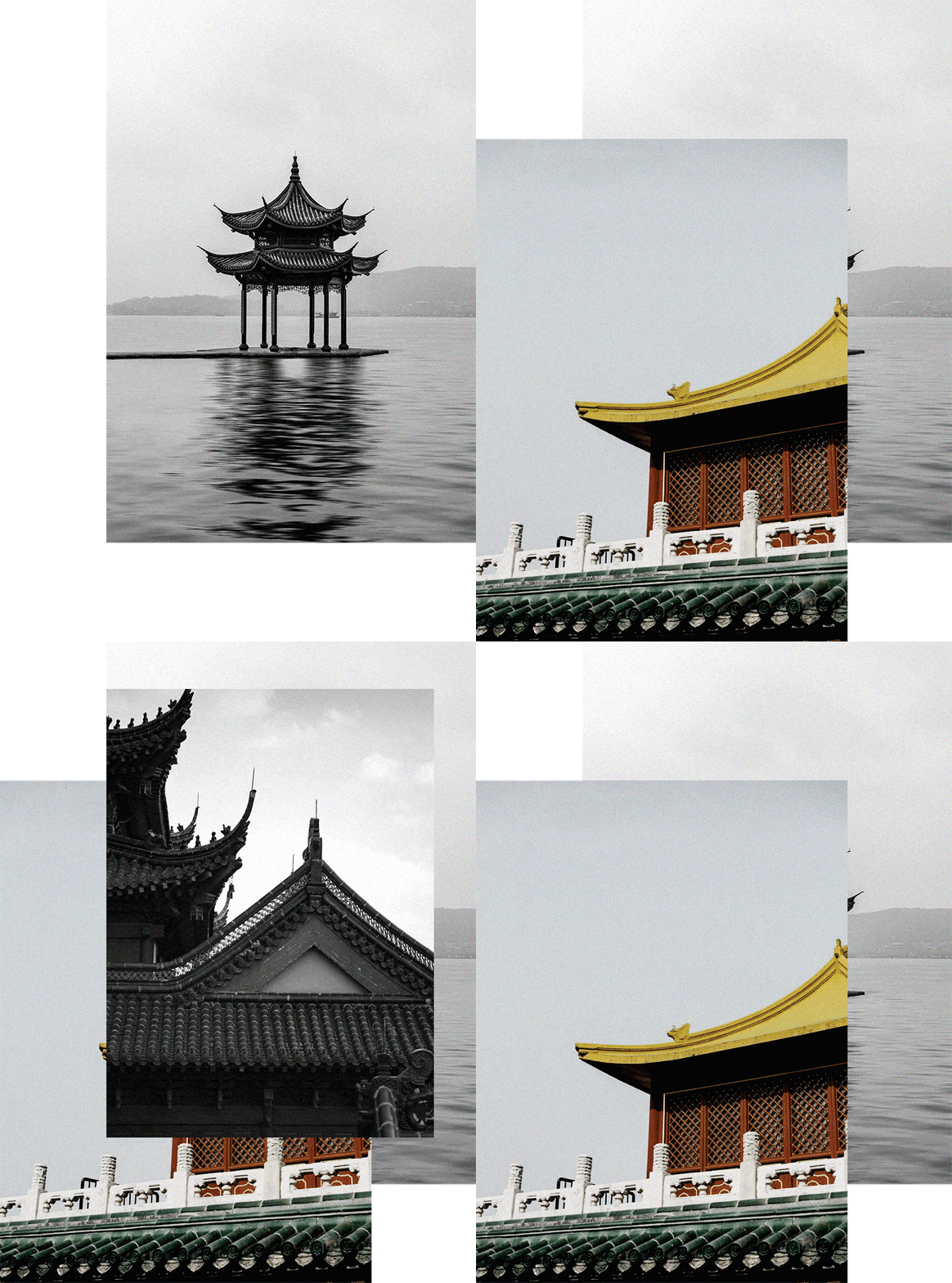
Hangzhou offers one of the most refined versions of the Chinese creative district. Surrounded by nature and marked by technological innovation, the city develops spaces where design, landscape, and digital culture coexist under a restrained aesthetic.
The China National Silk Museum embodies this hybrid sensibility: more than a museum, it is a bridge between textile tradition, contemporary design, and fashion, integrated almost organically into its environment. Nearby, Seesaw Coffee Hangzhou serves as a meeting point for designers, students, and creatives working in a city deeply connected to technology.
Reading finds its place in Zhongshuge Hangzhou, where architecture, contemplation, and landscape come together naturally. In Hangzhou, creativity is understood as harmony—not excess, but a balance between innovation, culture, and environment.