
Arles 2026: A Visual Cartography
Les Rencontres d’Arlès 2026 structures its programme around six major chapters. Among them, Independence turns its gaze towards Africa to explore independence, memory and identity through photography.
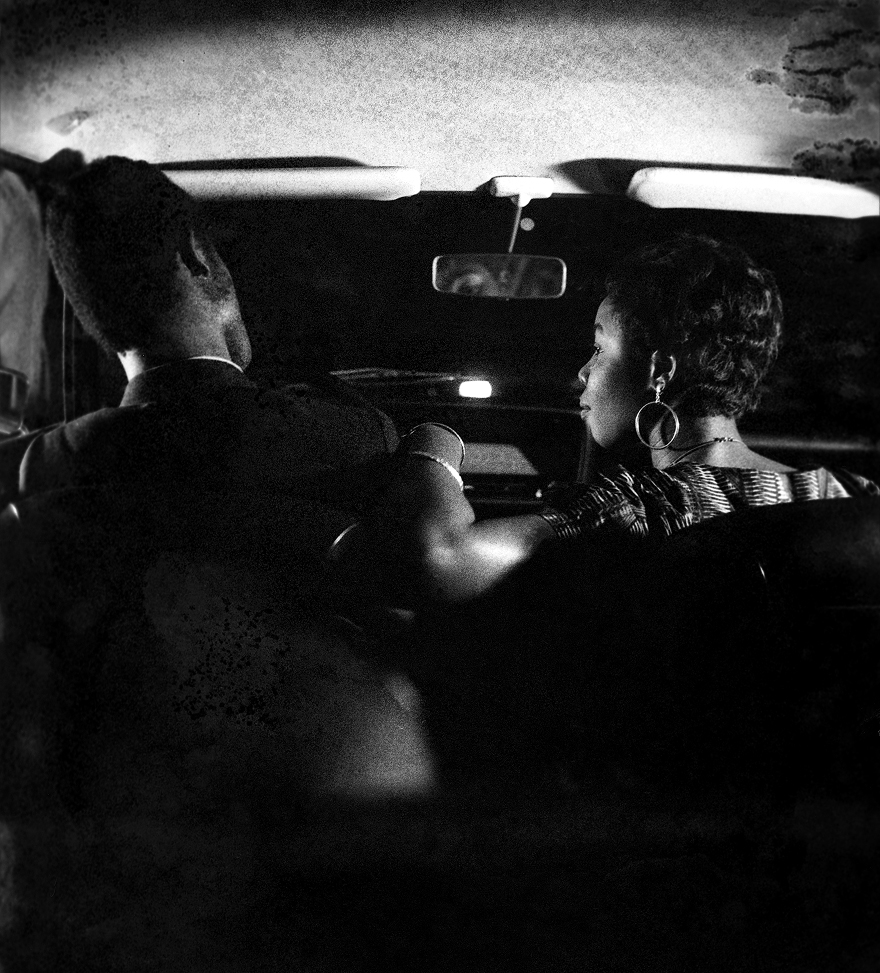
Paul Kodjo, Notre enfant a sauvé notre amour [Our Child Saved Our Love], 1971. Courtesy of Les Rencontres du Sud and in camera galerie. Exhibition Paul Kodjo: Photoromance
Every summer, Arles changes scale. Churches, former industrial buildings, palaces, museums and unexpected spaces become exhibition venues, and photography takes over the city, transforming its geography. In 2026, Les Rencontres d’Arlès returns with an especially symbolic edition: as photography approaches two hundred years of history, the festival celebrates its 57th edition by asking what an image can still do in an increasingly accelerated world.
The answer runs throughout the entire program. For its director, Christoph Wiesner, faced with a reality that tends toward simplification, division and reduction, Arles proposes a space in which to recover complexity and attention. Photography thus appears not only as a record, but as a tool capable of making visible what remains hidden, connecting History with intimate narratives and shifting the way we look.
This shift in perspective shapes a program built around six major chapters —Independence, Journeys, Forms of Life, Revisits, The Uncertain Archive and Emerging Voices— joined by Arles Books, associated exhibitions, Grand Arlès Express, opening week and an extensive educational and professional program.
Paul Kodjo, Notre enfant a sauvé notre amour [Our Child Saved Our Love], 1971. Courtesy of Les Rencontres du Sud and in camera galerie. Exhibition Paul Kodjo: Photoromance
Les Rencontres26
( 01 )
Les Rencontres26
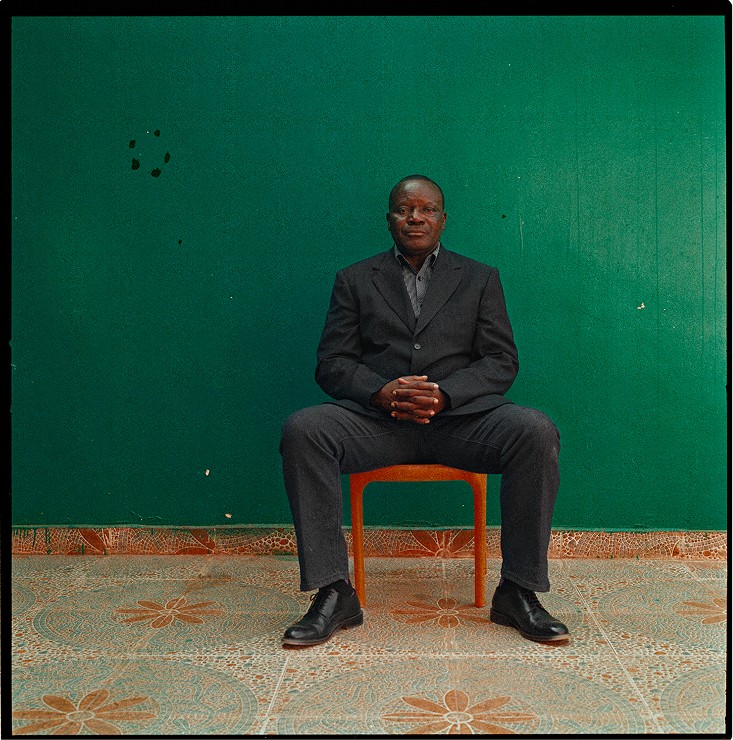
Sammy Baloji, Clémentine Samba Mushidi, Kasaji, Lualaba Province, 2018. Courtesy of the artist and Galerie Imane Farès, Paris
One of the most political strands of this edition looks toward Africa to explore the relationships between photography, independence, memory and the construction of identity.
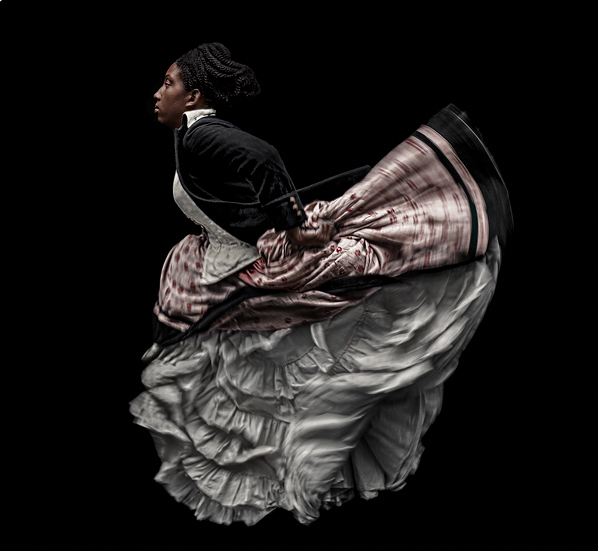
Ayana V. Jackson, Amelio Robles: In the end he was buried in a dress to make peace with God, 2025. Courtesy of the artist and Mariane Ibrahim.
Ghana! Dreaming Independence 1957–1976 takes the country’s independence in 1957 as its starting point to examine how photography actively participated in the creation of a new national identity. Images, books, magazines, postcards, stamps and even textiles became tools for visually imagining a country that had just freed itself from British rule. Historical works by James Barnor, Paul Strand, Willis E. Bell and Felicia Abban coexist with contemporary artists such as Carlos Idun-Tawiah, creator of the image for this edition’s poster.
( 01 )Independence:
( who constructs the images of history )
The revisiting continues with Paul Kodjo, an essential figure in post-independence Ivorian visual culture. Photoromance, his first major solo exhibition in France, brings together his photo novels, the nightlife of Abidjan and an urban society that, during the 1960s and 1970s, was constructing its own codes of modernity.
In Sammy Baloji’s work, the archive becomes a territory of friction. Landscape Lens: A Katangese Crossing brings together contemporary photographs, family archives, local testimonies and Western images to revisit the history of Katanga and confront the consequences of colonialism and extractivism. Private memory and political history cease to be separate categories and come together within the same image.
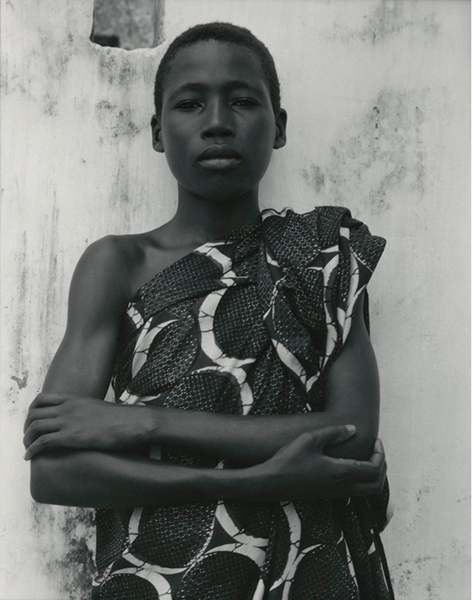
Paul Strand, Samuel J.K. Essoun, Shama, Ghana, 1964. Courtesy of the Paul Strand Archive and Aperture.
The chapter is completed by Katia Kameli, Thato Toeba and Ayana V. Jackson. In The Algerian Novel (A New Chapter), Kameli continues her research into the visual construction of Algerian memory, while Jackson recovers historical figures and Black lives absent from or distorted by archives to imagine spaces of dignity, rest and emancipation.
Les Rencontres26
( 02 )
Les Rencontres26
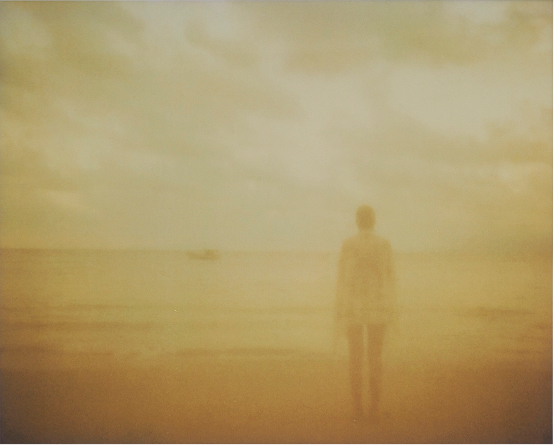
Jair Lanes, Sophie, Ubatuba, Brazil, 2000. Courtesy of the artist.
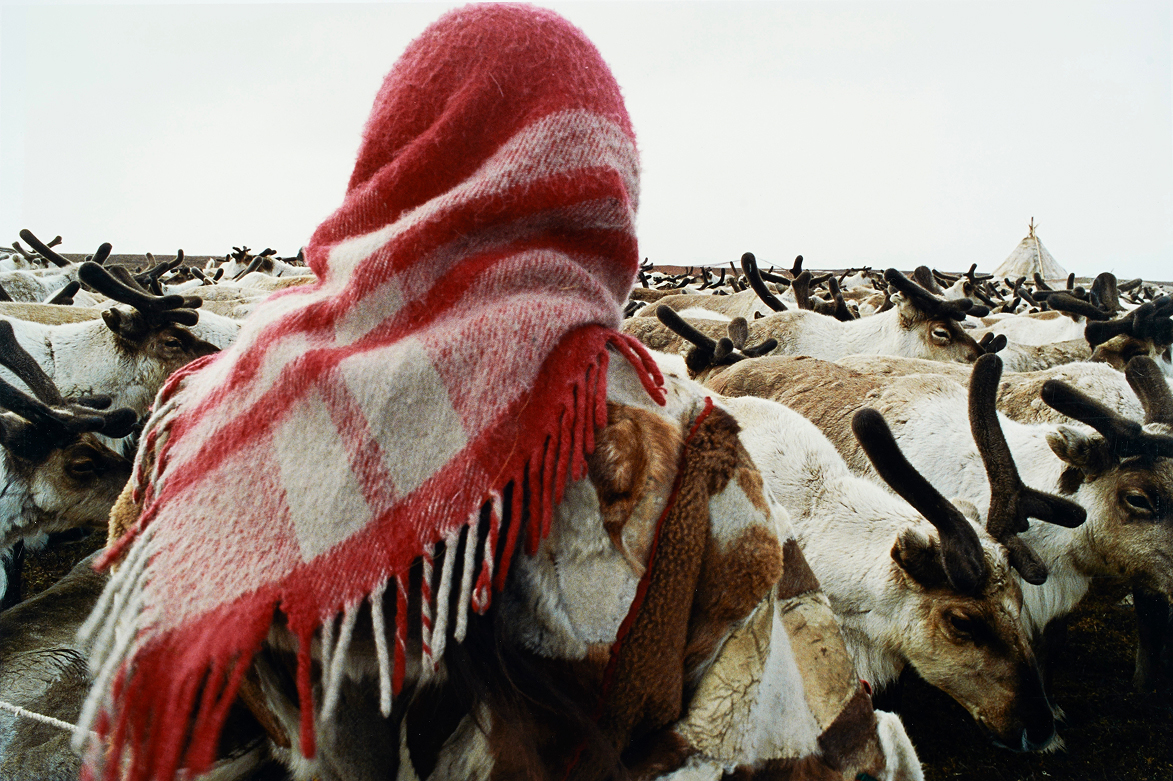
Françoise Huguier, Nenets reindeer herd, Yamal Peninsula, Yar-Sale, Siberia, 1992. Courtesy of the artist and VU’ agency.
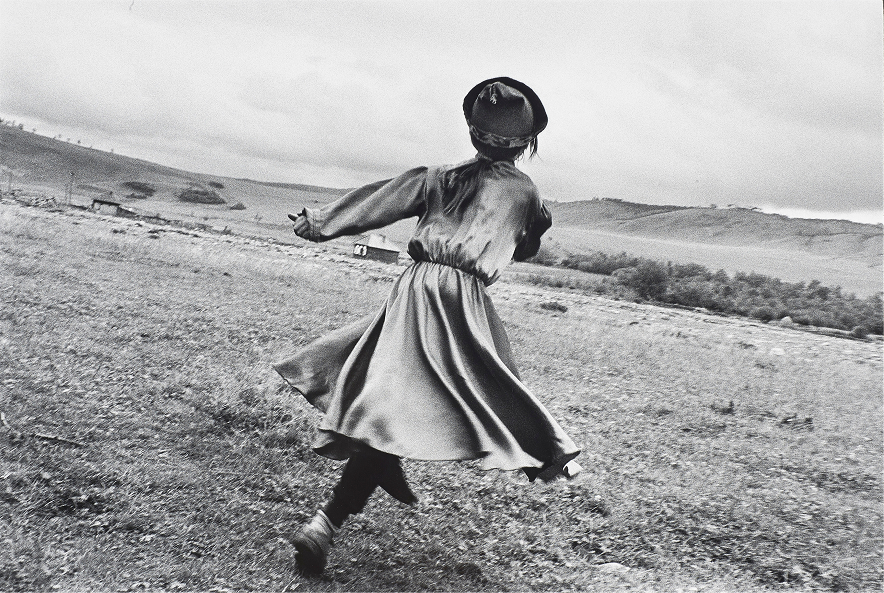
Claudine Doury, Little Vera, Lake Baikal, Siberia, 1998. Courtesy of the artist and in camera galerie.
Jair Lanes, Sophie, Ubatuba, Brazil, 2000. Courtesy of the artist.
Françoise Huguier, Nenets reindeer herd, Yamal Peninsula, Yar-Sale, Siberia, 1992. Courtesy of the artist and VU’ agency.
Claudine Doury, Little Vera, Lake Baikal, Siberia, 1998. Courtesy of the artist and in camera galerie.
Journeys considers territory as a physical, political and emotional experience: roads, borders, seas and deserts, but also memory, waiting, exile and desire.
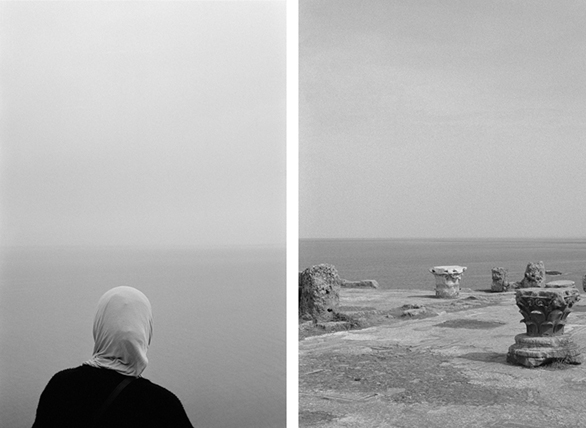
Anne-Lise Broyer, Sidi Bou Saïd, Tunisia, 2024 | Tipaza, Algeria, 2022. Courtesy of the artist.
Travel is never simply about moving from one place to another. Journeys considers territory as a physical, political and emotional experience: roads, borders, seas and deserts, but also memory, waiting, exile and desire.
The exhibition Distant Dreams revisits the Fnac photographic collection —comprising around 1,800 prints— through a selection of one hundred images accompanied by an original text by writer Nathacha Appanah. Literature introduces new routes through the photographs: image and word meet, contradict one another and together construct another possible cartography.
( 02 )
Journeys :
( outer geographies, inner
landscapes )
The Mediterranean takes on particular importance through Anne-Lise Broyer, Orianne Ciantar Olive and Bruno Boudjelal. In their work, landscape ceases to function as a backdrop and becomes an experience. In Boudjelal’s work, for example, photography does not seek to document a territory but to register the encounter between the external landscape and inner life, where memory, spirituality and sensation ultimately merge.
The chapter also includes the documentary work of Marie-Claude Deffarge & Gordian Troeller, extending a reflection on what it means to travel, represent and observe others.
Les Rencontres26
( 03 )
Les Rencontres26
What happens when the camera stops placing human beings at the center?
Forms of Life addresses one of the major questions of Arles 2026: our relationship with the living world. The exhibition Animal Model: 200 Years of Photography spans two centuries of animal representation to examine how other species have been studied, admired, domesticated, exploited, staged and imagined since the birth of the photographic medium. Photographing animals, the exhibition suggests, also means recognizing other ways of existing in the world.
( 03 )Forms of life :
( looking beyond the human )
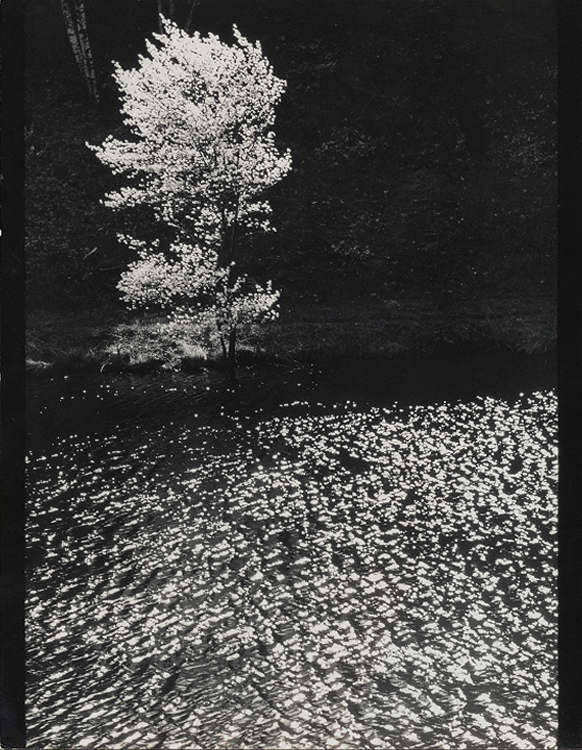
Edward Steichen, The Shadblow Tree, Umpawaug Farm, Connecticut, United States, 1960. Spuerkeess Collection. © 2026 The Estate of Edward Steichen / Artists Rights Society (ARS), New York
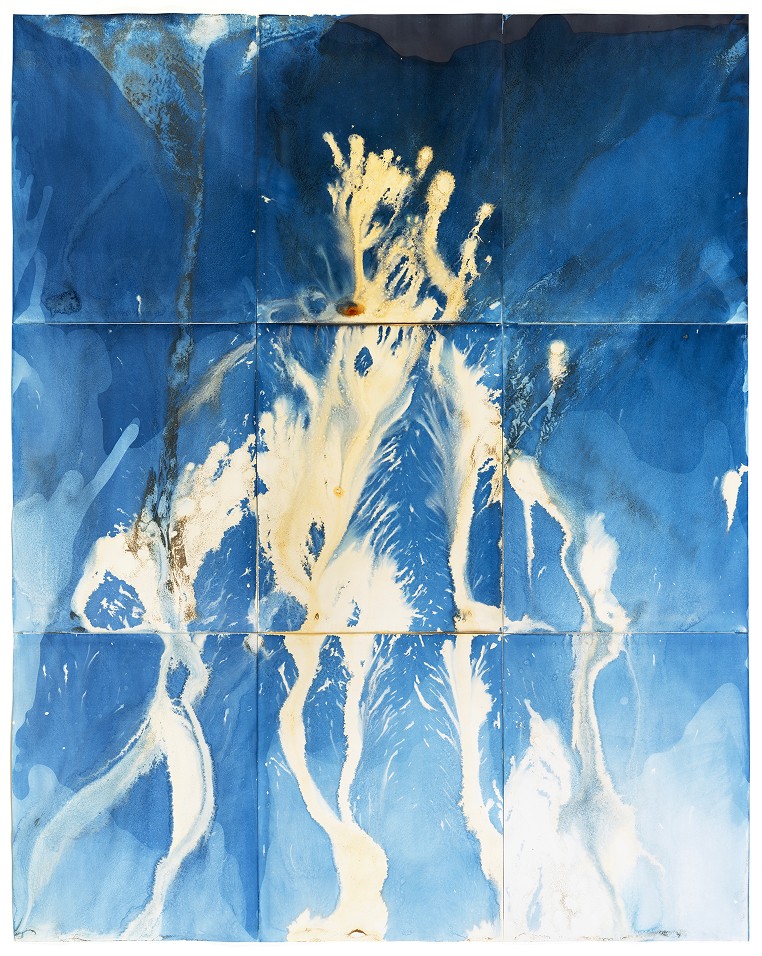
Meghann Riepenhoff, Adaptive Radiation #1 (Hanford Reach, Washington, USA, 5.23.2025, River Water, Reference Woman, Reducing Agent), May 23, 2025, series State Shift, 2024–2026, unique dynamic cyanotype, Courtesy of the artist.
Nature also ceases to be a passive object in the work of Meghann Riepenhoff, where natural forces themselves act on photosensitive surfaces. Lisa Oppenheim recovers lost botanical memories by combining historical and contemporary photographic technologies, while Lara Tabet layers geological, archaeological and organic strata.
The journey continues with Rebekka Deubner and a lesser-known side of Edward Steichen: the photographer as a passionate botanist, attentive to correspondences between plants, forms, seasons, cultures and images.
Les Rencontres26
( 04 )
Les Rencontres26
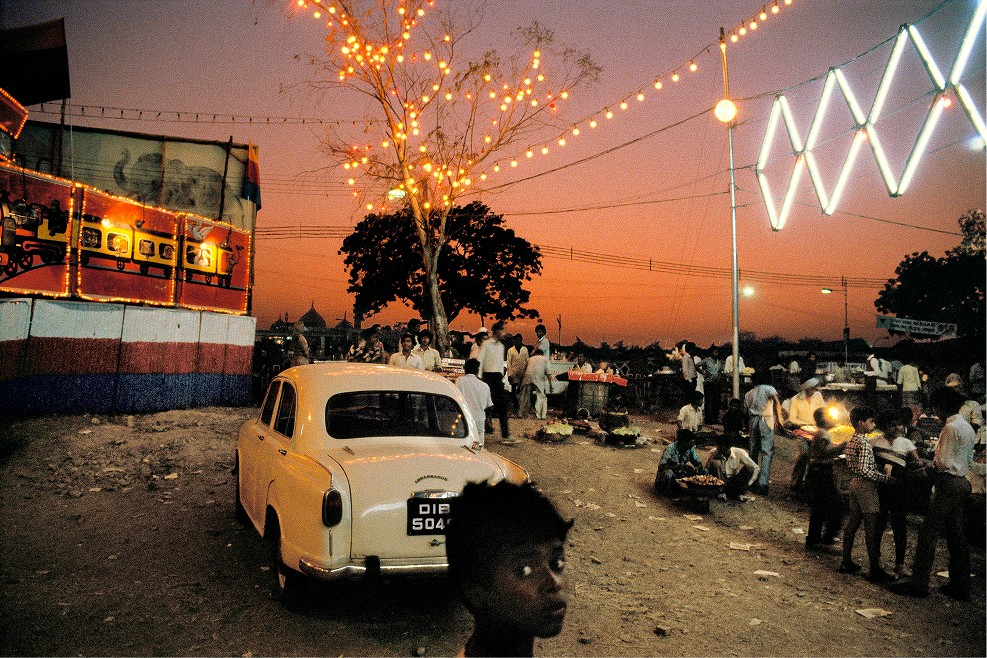
Harry Gruyaert, Old Delhi, India, 1985. Courtesy of the artist and Gallery FIFTY ONE, Antwerp.
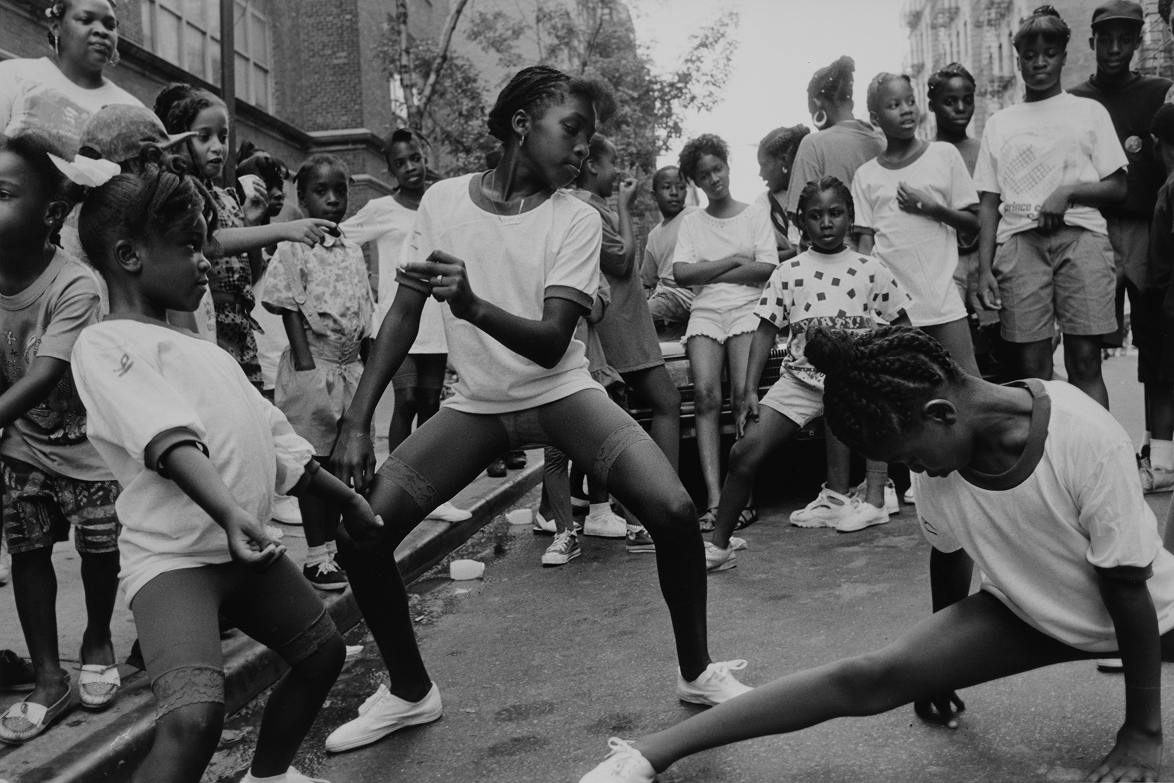
Martine Barrat, The South Bronx, 1979. Courtesy of the artist and La Galerie Rouge.
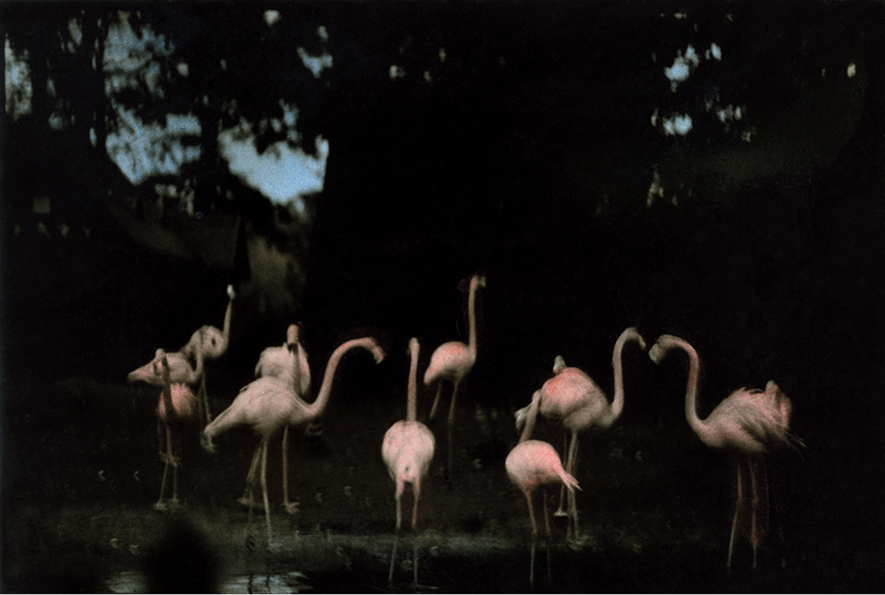
Ming Smith, Flamingo Fandango (Painted), 1988. Courtesy of the artist.
Harry Gruyaert, Old Delhi, India, 1985. Courtesy of the artist and Gallery FIFTY ONE, Antwerp.
Martine Barrat, The South Bronx, 1979. Courtesy of the artist and La Galerie Rouge.
Ming Smith, Flamingo Fandango (Painted), 1988. Courtesy of the artist.
Learning to look begins long before entering a museum.
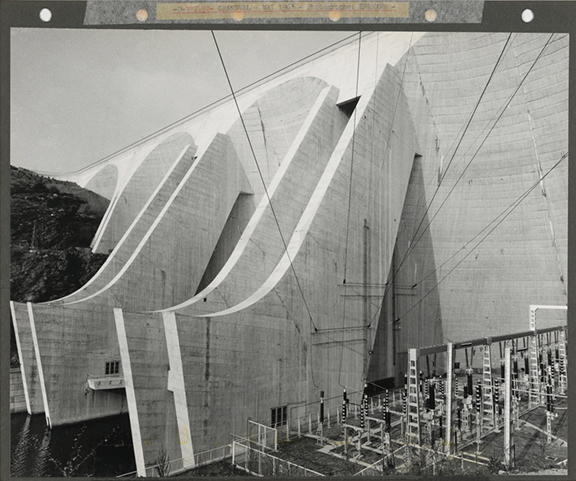
Gilles Ehrmann, Grandval dam, 1963. Courtesy of EDF Archives.
Arles has always been a place of discovery, but also of rediscovery. This year, Revisits brings back some essential figures of the 20th century to view them from the present.
The major reference is William Klein, honored on the centenary of his birth. This Way to Heaven revisits a photographer who made the breaking of conventions into a language of its own.
( 04 )Revisits :
( looking again at those who changed photography )
Around him emerge three radically personal ways of photographing the city: Martine Barrat, from the marginalized neighborhoods of Paris and 1970s New York; Harry Gruyaert, through color-saturated urban compositions traveling from New York to Zanzibar, via Paris, Tokyo and Mumbai; and Ming Smith, whose poetic and independent vision opened up new possibilities within American photography.
The section also includes L is for Look, an exhibition devoted to children’s photobooks that champions something essential: learning to look begins long before entering a museum. It is joined by Vigilance: Work Under Tension, completing this chapter dedicated to reconsidering images, authors and modes of perception.
Les Rencontres26
( 05 )
Les Rencontres26
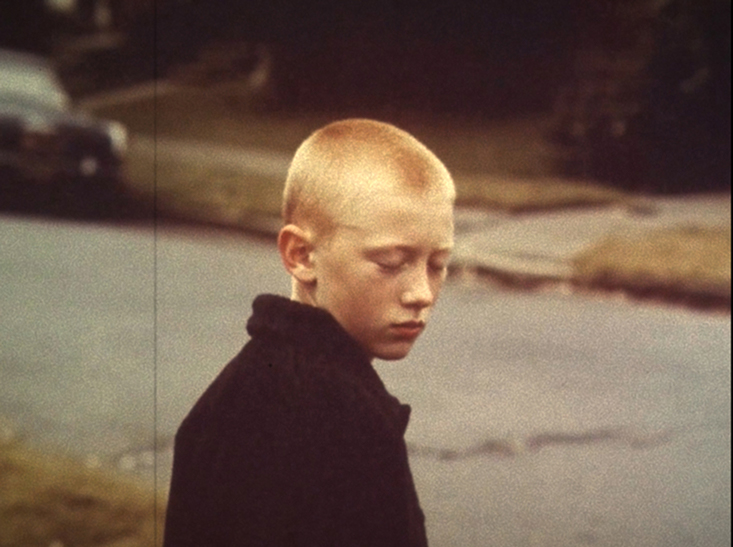
If photography was understood as evidence for decades, the present forces us to ask to what extent we can continue to trust what we see.
The Uncertain Archive operates precisely within this ambiguous territory. We Are Not Alone: Alien Images explores the imaginaries constructed around what we cannot verify; Clément Cogitore presents Memory Palace; and Lee Shulman, Omar Victor Diop and The Anonymous Project develop Being There, within a chapter that turns the archive into living, malleable material open to new interpretations.
( 05 )The uncertain archive :
( when an image ceases to be
a certainty )
Rather than preserving an immutable past, these projects approach the archive as a mechanism capable of producing new fictions, memories and narratives. In an age of endlessly circulating images, Arles therefore introduces an unavoidable question: not only what we see, but who constructs what we believe we are seeing.
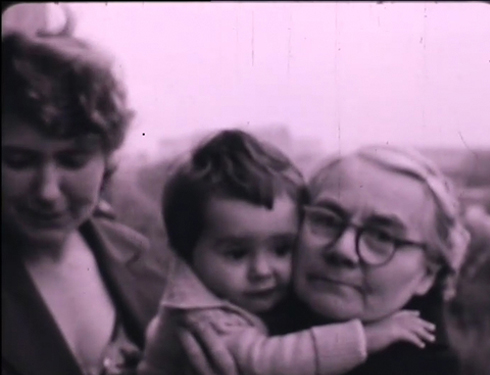
Clément Cogitore, Still of Memory Palace, 2026. Courtesy of the artist, Production Walter Films and ADAGP, Paris.
Arles introduces an unavoidable question: not only what we see, but who constructs what we believe we are seeing.
Les Rencontres26
( 06 )
Les Rencontres26
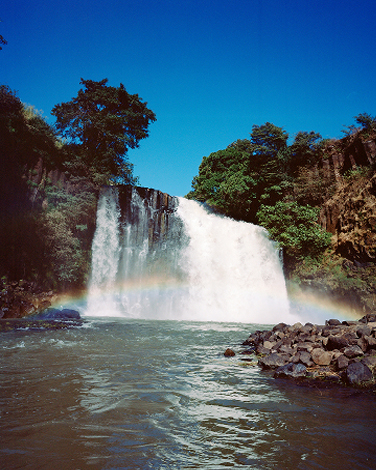
Charlotte Yonga, Lily’s Second Fall, Ampefy, Madagascar, 2024. Courtesy of the artist.
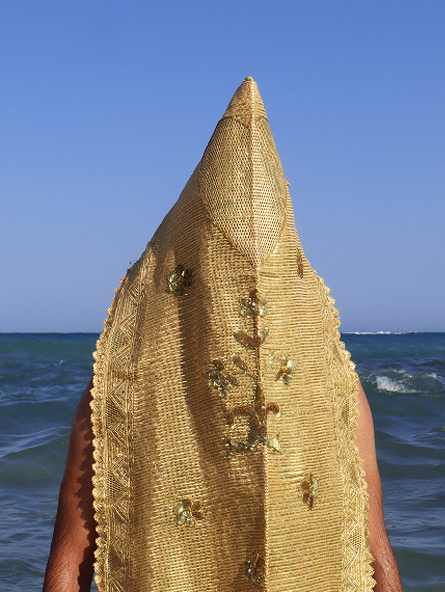
Amira Lamti, Amen, 2024. Courtesy of the artist.
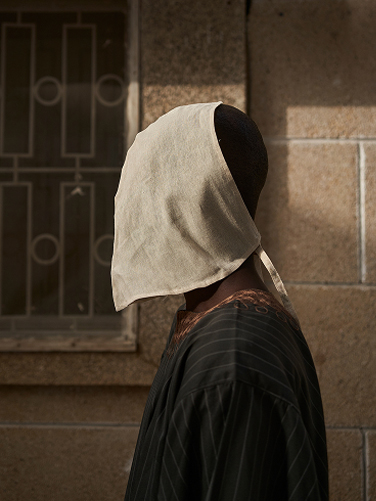
Souleymane Bachir Diaw, Worn Striped Green Olive Jam-Puut and White Cotton Headpiece, Earth Tone, 2022, series Sutura, 2021–ongoing. Courtesy of the artist.
( 06 )Emerging Voices :
( photography still finding its language )
The future of the medium occupies a central place in Emerging Voices.
The Louis Roederer Foundation Discovery Award, curated in 2026 by Nadine Hounkpatin, brings together seven international proposals at Espace Monoprix. Rather than seeking a single definition of photographic truth, the exhibition proposes different ways of approaching it through exchange, responsibility and the construction of new narratives. During opening week, a jury awards a prize consisting of a €15,000 acquisition, while the public selects another project through a €5,000 award.
“the exhibition proposes different ways of approaching it through exchange, responsibility and the construction of new narratives.”
The selected names include Jordan Beal, Souleymane Bachir Diaw, Amira Lamti, Mallory Lowe Mpoka, Magali Paulin, Phan Quang and Charlotte Yonga. The emerging program continues with Camille-Renée Devid, The Cannibal Image, Hu Weiyi, Aman Alam and CTRL. New Functions of Images.
The connection with the École Nationale Supérieure de la Photographie in Arlès also continues. ENSP Generation presents Guillaume Chevalier Fustec, Denis Valery Ndayishimiye and Susanna De Vido, three recent graduates whose research explores identity, memory, grief, relationships between humans and animals, and new representations of Black masculinity.
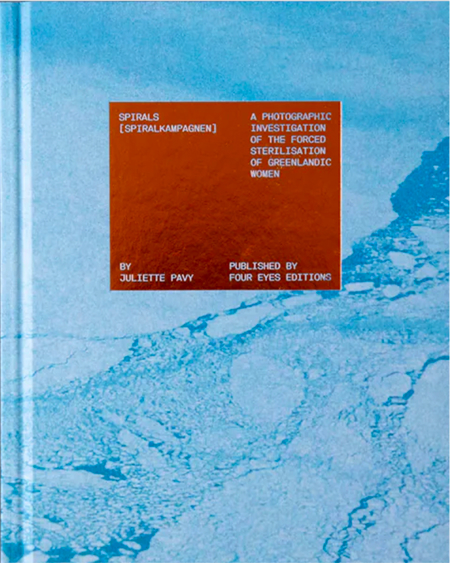
Spirals, Juliette Pavy. Four Eyes éditions, Paris, France, 2025. Design: William Keo
*Arles books
( photography is also read )
In Arles, photography never ends on the wall. The book constitutes another of its major territories for experimentation.
The 2026 Book Awards are divided into three categories —Author Book, Historical Book and Photo-Text Book— and recognize publications released during the previous twelve months. Each prize is worth €6,000.
Alongside them, the LUMA Rencontres Dummy Book Award continues to support as-yet unpublished editorial projects. Created in 2015 and endowed with a production budget of €25,000, it pays particular attention to experimental and innovative formats.
The book thus appears not as a complement to the exhibition, but as another space where photography can be edited, sequenced and acquire new meanings.
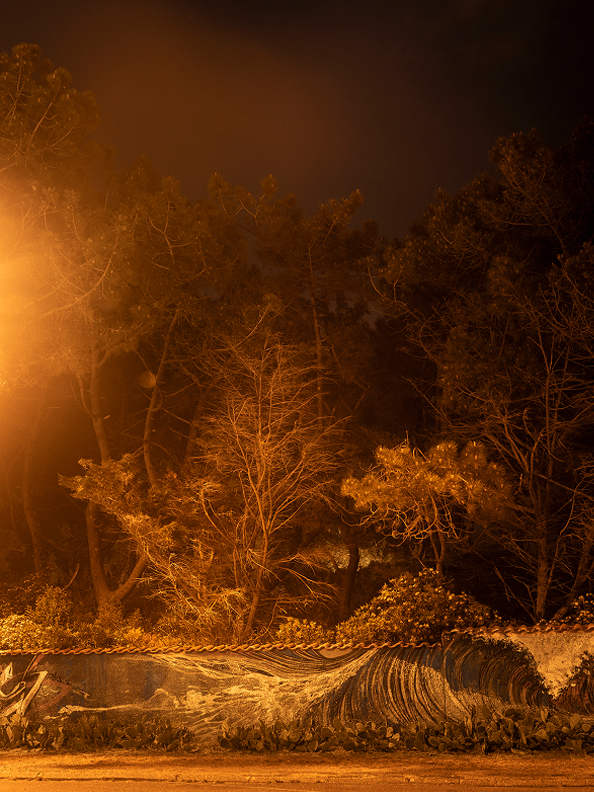
Olivier Metzger, Sodium, 2022. Courtesy of Olivier Metzger/Modds.
* A city transformed into an exhibition
The festival does not end with its official program. Associated Arles extends the route through the city’s institutions and cultural spaces.
At Lee Ufan Arles, South Korean filmmaker Park Chan-wook presents On a Quiet Morning. LUMA Arles brings together projects by Stan Douglas and Charlotte Gainsbourg; the Musée Réattu reveals a different facet of Christian Lacroix —that of photography collector—; KYOTOGRAPHIE presents Rinko Kawauchi and Tokuko Ushioda; and MYOP devotes a retrospective to Alain Keler.
The result expands one of the defining characteristics of Les Rencontres: for three months, the boundary between festival and city virtually disappears.
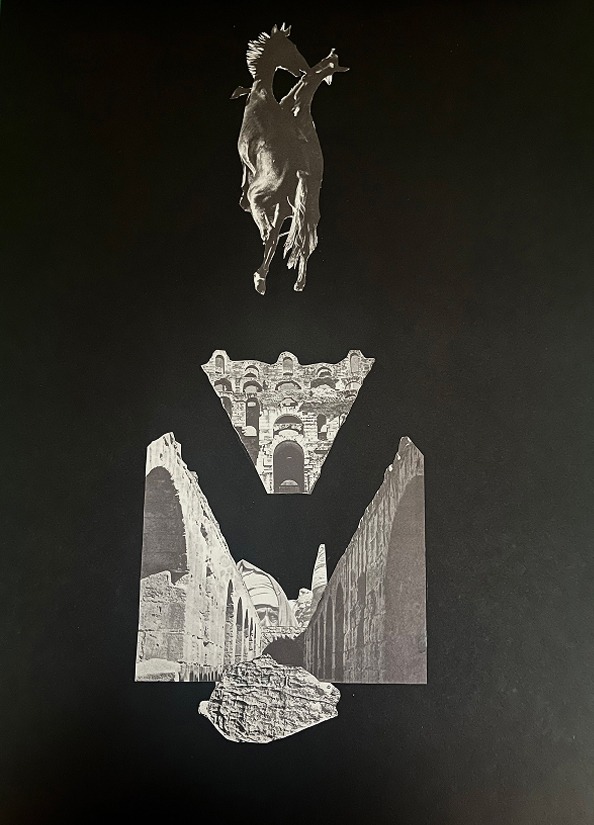
Louisa Babari, Africa, 2026. Courtesy of the artist.
*Grand Arlès Express:
( the image moves beyond Arles )
The geography continues to expand with Grand Arlès Express, a constellation of exhibitions connecting Arles with other institutions across the south of France.
In Aix-en-Provence, the Musée Granet presents Paul McCartney’s Photographs 1963–64: Eyes of the Storm. In Marseille, projects include Photo Kegham of Gaza, The Ecology of Relationships and a project by Clément Cogitore at Mucem. The route also reaches La Celle, Maillane, Montpellier, Mougins and Nîmes, with exhibitions by Klavdij Sluban, Pascal Grimaud, Bertien van Manen, Sébastien Arrighi and Alix Boillot, among others.
Arles thus ceases to be merely a location and becomes the center of a photographic network extending across the entire region.