Giovanna Martial- an interview
Between intuition and experimentation, Giovanna Martial imagines settings where materials, volumes and gestures create visual worlds open to new interpretations.
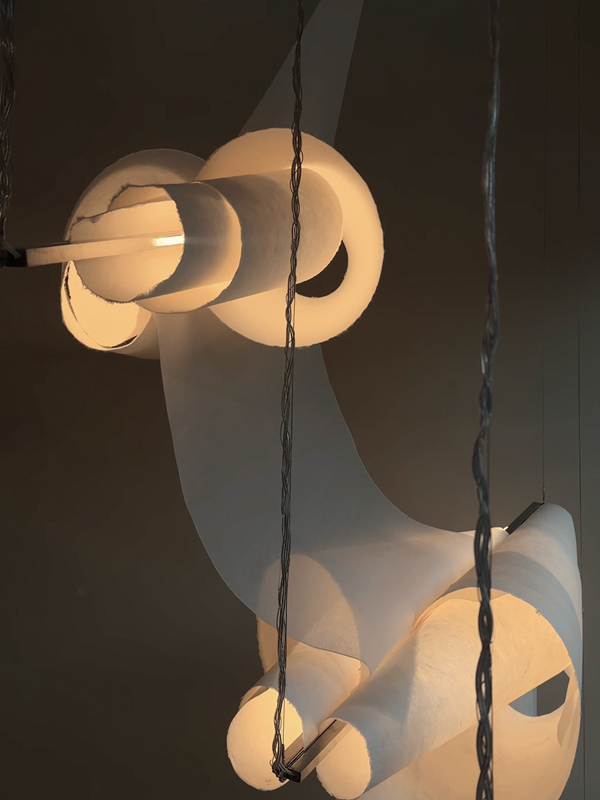
In Giovanna Martial’s work, space is never simply a backdrop. It has a presence and a narrative of its own. Raised around theatre and opera set design, and familiar from an early age with the backstage world of sets and shoots, the self-taught artist has developed an intuitive relationship with image-making and with the way body, object and space coexist within it.
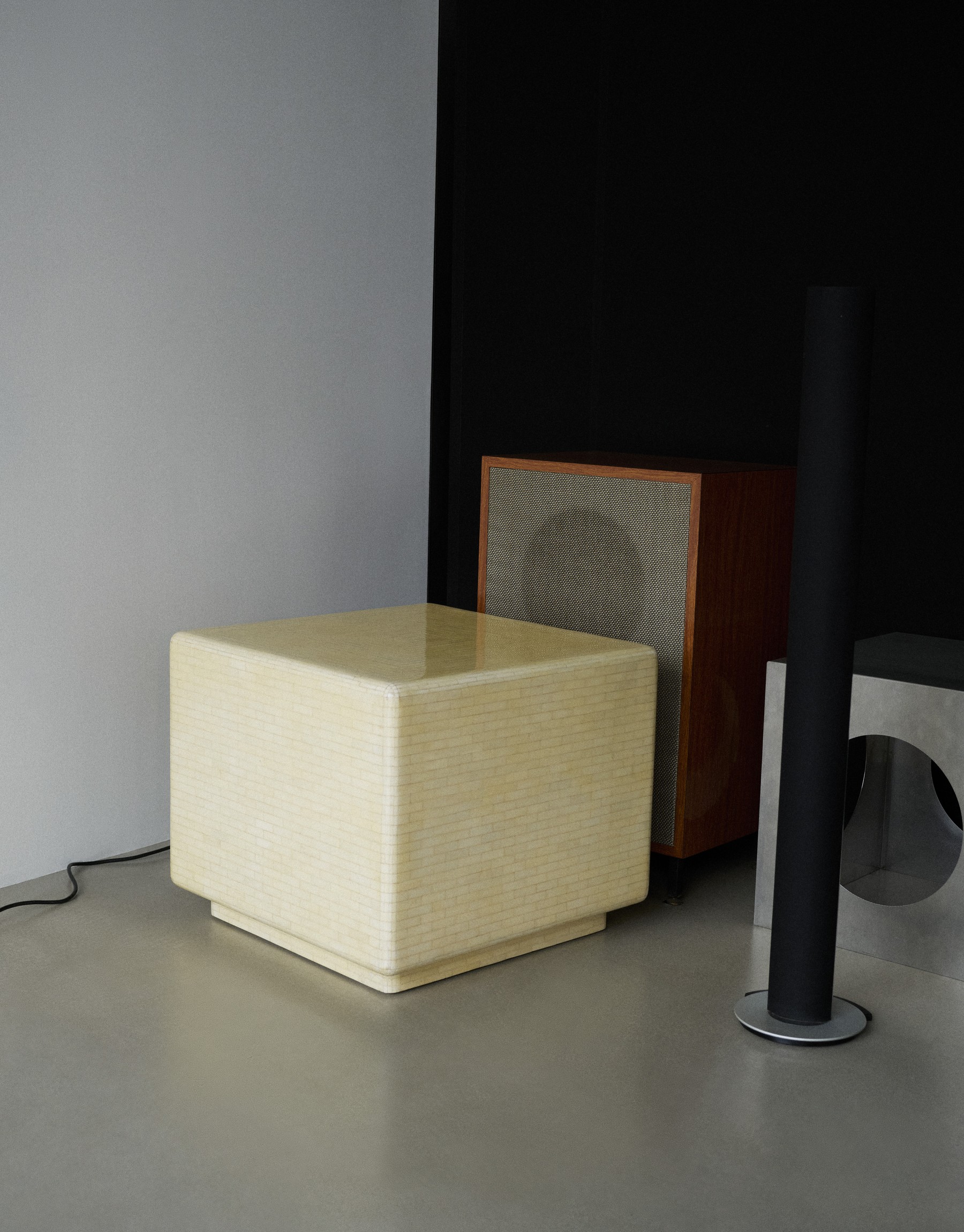
Shaped by contemporary art and cinematic culture, her practice begins with a precise attention to materials, volumes and colour. Rather than decorating a scene, Martial constructs environments capable of altering our perception of what they contain: spaces that enter into dialogue with the body, clothes and gesture, becoming another character within the image.
In this conversation, Giovanna Martial reflects on the delicate balance between presence and absence, on fiction as a way of approaching everyday life, and on a creative process in which intuition, collaboration and even mistakes can ultimately define an image.
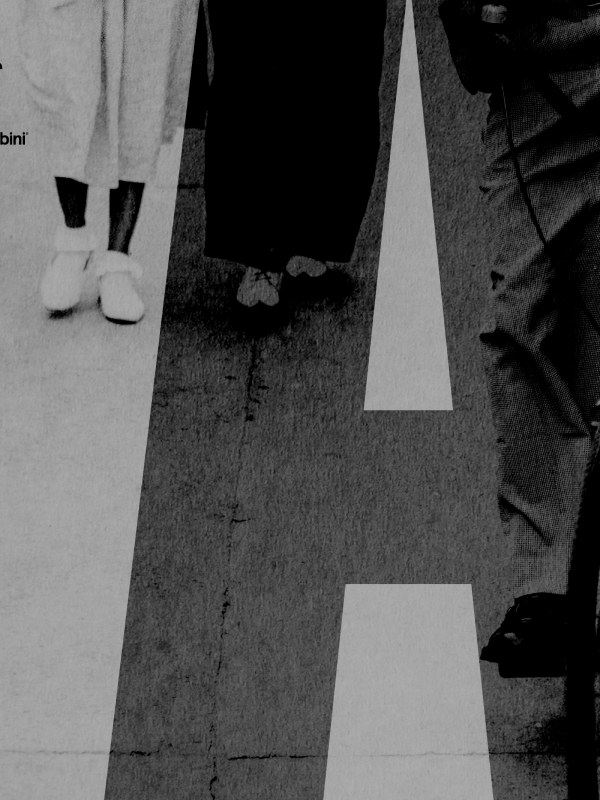
Photos by @charlottestouvenot
MDWhen conceiving a set, where does the creative process begin for you? With the clothes, the space, a certain atmosphere?
 I always try to imagine a character behind a collection. For me, a set never exists on its own: there is always a presence, even if that presence remains invisible. The clothes can be a starting point, just as much as an emotion, a particular light or a location. But very quickly, I begin to build a world around this fictional presence. It is this sense of narrative that then guides my decisions.
MDSet design has the ability to transform the way we interpret a fashion image. What do you think a space can bring to a story that clothes alone cannot?
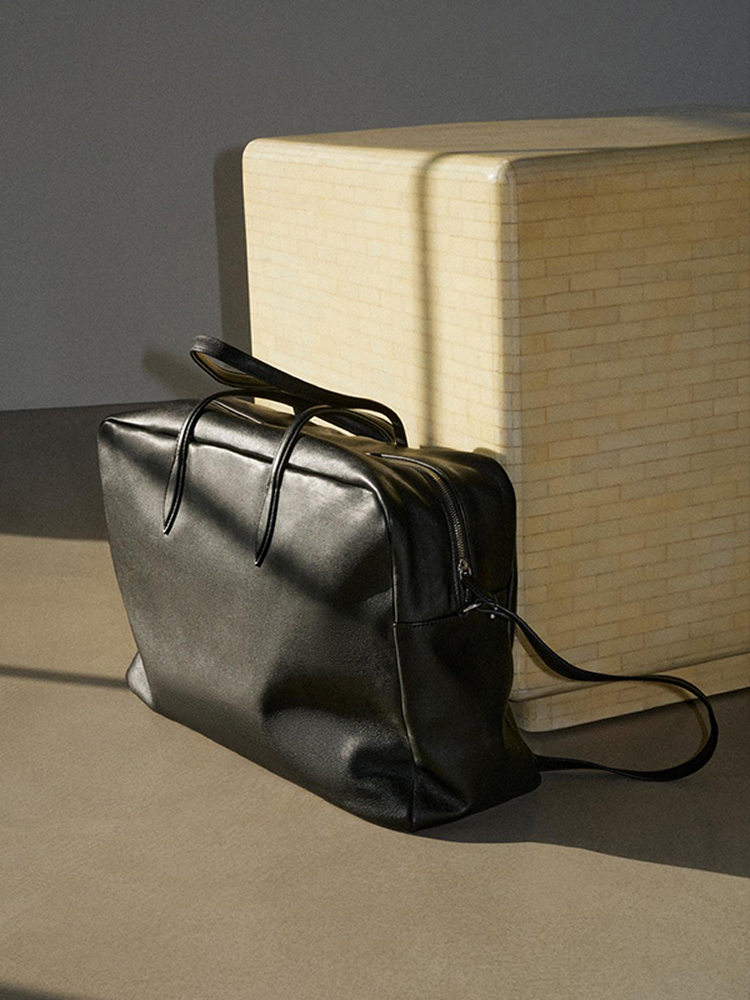
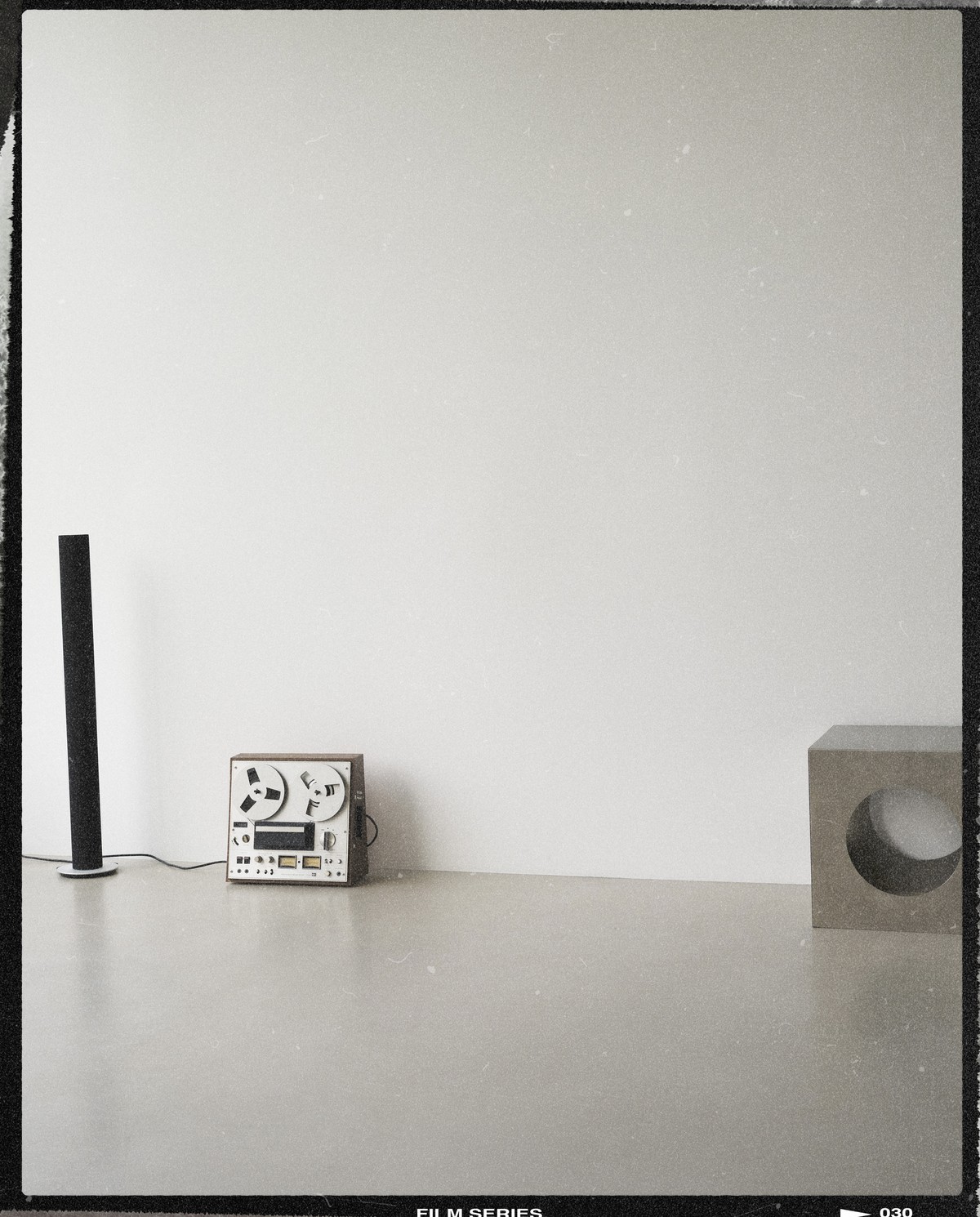
Clothes already tell us a great deal, but the set creates a context, a tension, a before and an after. It can suggest a story without having to explain it. I like it when a space leaves room for interpretation, when it supports the image rather than underlining it.
MDFashion imagery is the result of the convergence of many different creative perspectives. How does your initial vision evolve through the dialogue with the photographer, stylist and creative team?
Collaboration is an integral part of the process. What interests me is seeing how an idea transforms through contact with other sensibilities. The dialogue with the photographer, stylist and art director enriches the project and takes it into unexpected territories.
MDA set needs to have a presence of its own while allowing the clothes and the model to express themselves within it. How do you find that balance?
That balance is very instinctive. I like to leave room for the unexpected and accept that the process is not always linear. Often, it is through searching, experimenting and persevering that the solution reveals itself. Sometimes, it can even be found in a mistake. An element placed in the wrong position, or an unexpected constraint, can open up much more interesting possibilities. I try to remain attentive to these moments, because they often bring a sense of rightness that cannot be entirely anticipated.
MDHow do you navigate the dialogue between clothes and space? Is the set designed around the looks, or can the space itself shape the way the fashion is ultimately presented?
Both approaches are possible, and both are essential to my work. Sometimes the set emerges directly from the clothes and extends their visual language. At other times, it is the space that introduces a different reading of the fashion and influences the way it is perceived. This constant dialogue is what interests me most. It is also, in my view, what distinguishes an approach to fashion imagery featuring the body from an approach to still life.
“ The dialogue with the photographer, stylist and art director enriches the project and takes it into unexpected territories.”
MDHow do you think about the relationship between the body, the clothes and the space when constructing an image?
I consider them as a single entity. I don’t see the set as a backdrop, or the clothes as an isolated element. Everything has to work together and serve the same intention. When the balance is right, it becomes difficult to tell where one begins and the other ends.
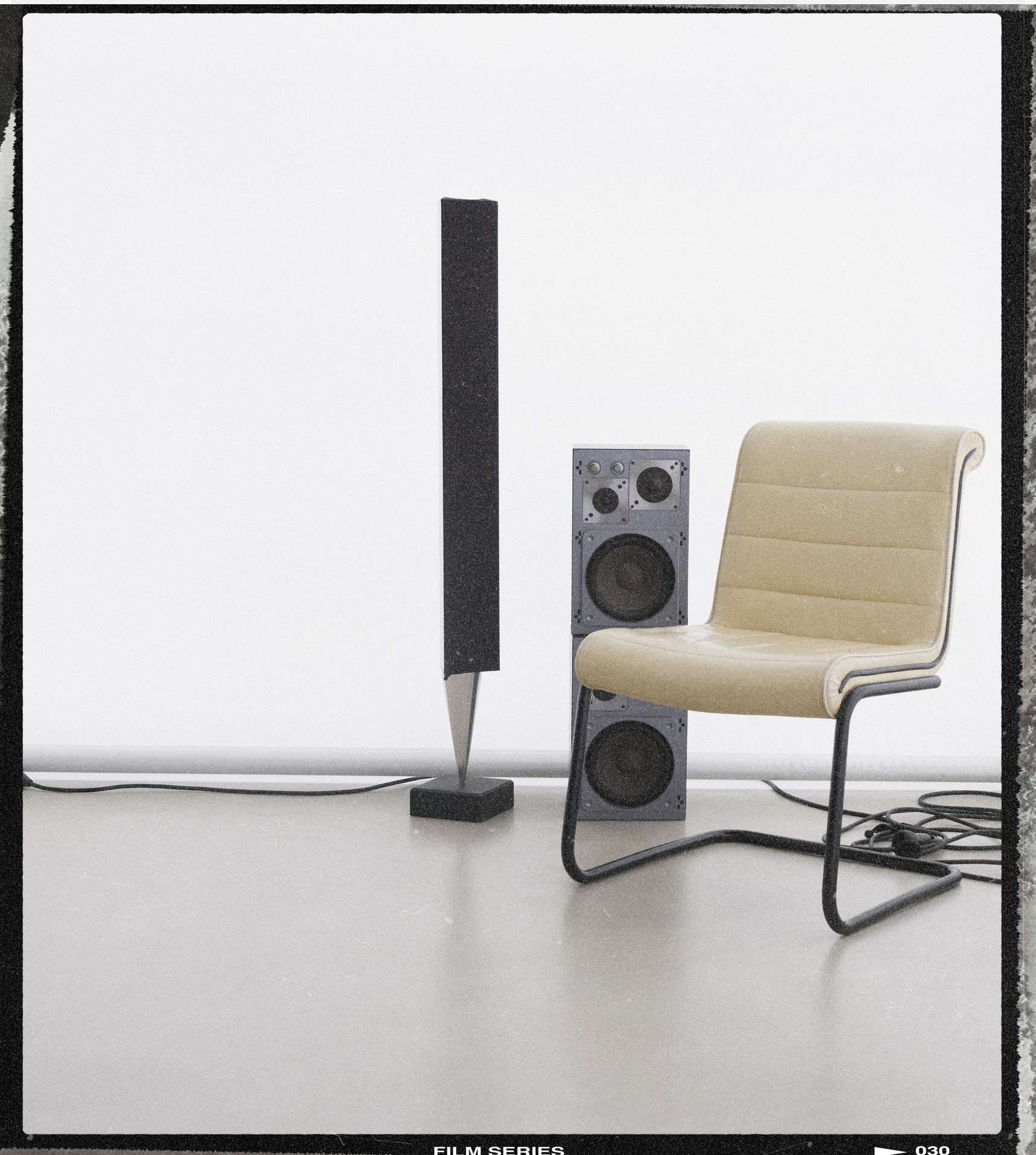
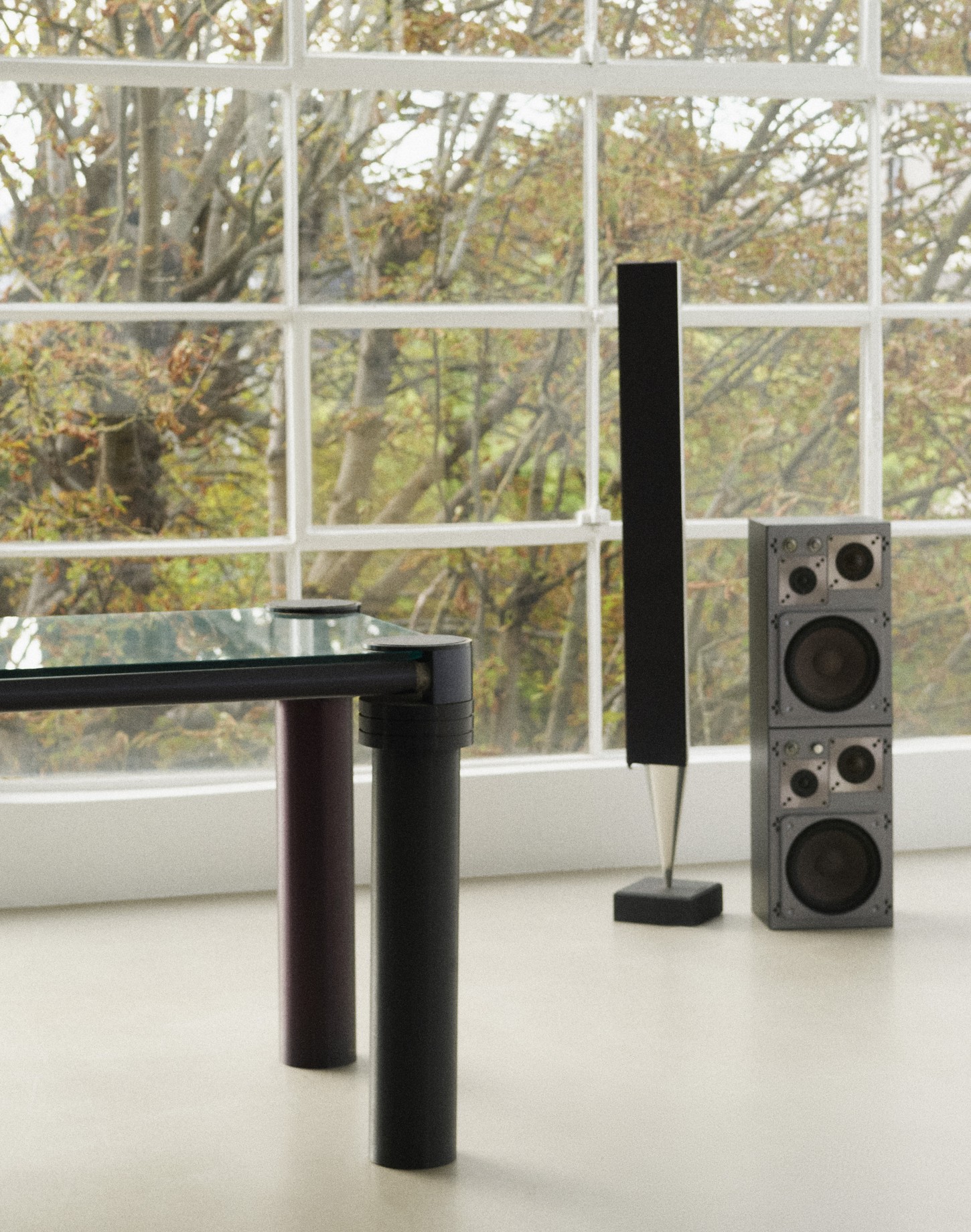
MDThere is often as much intention in what is absent from an image as in what is present. How important is restraint in your approach to set design?
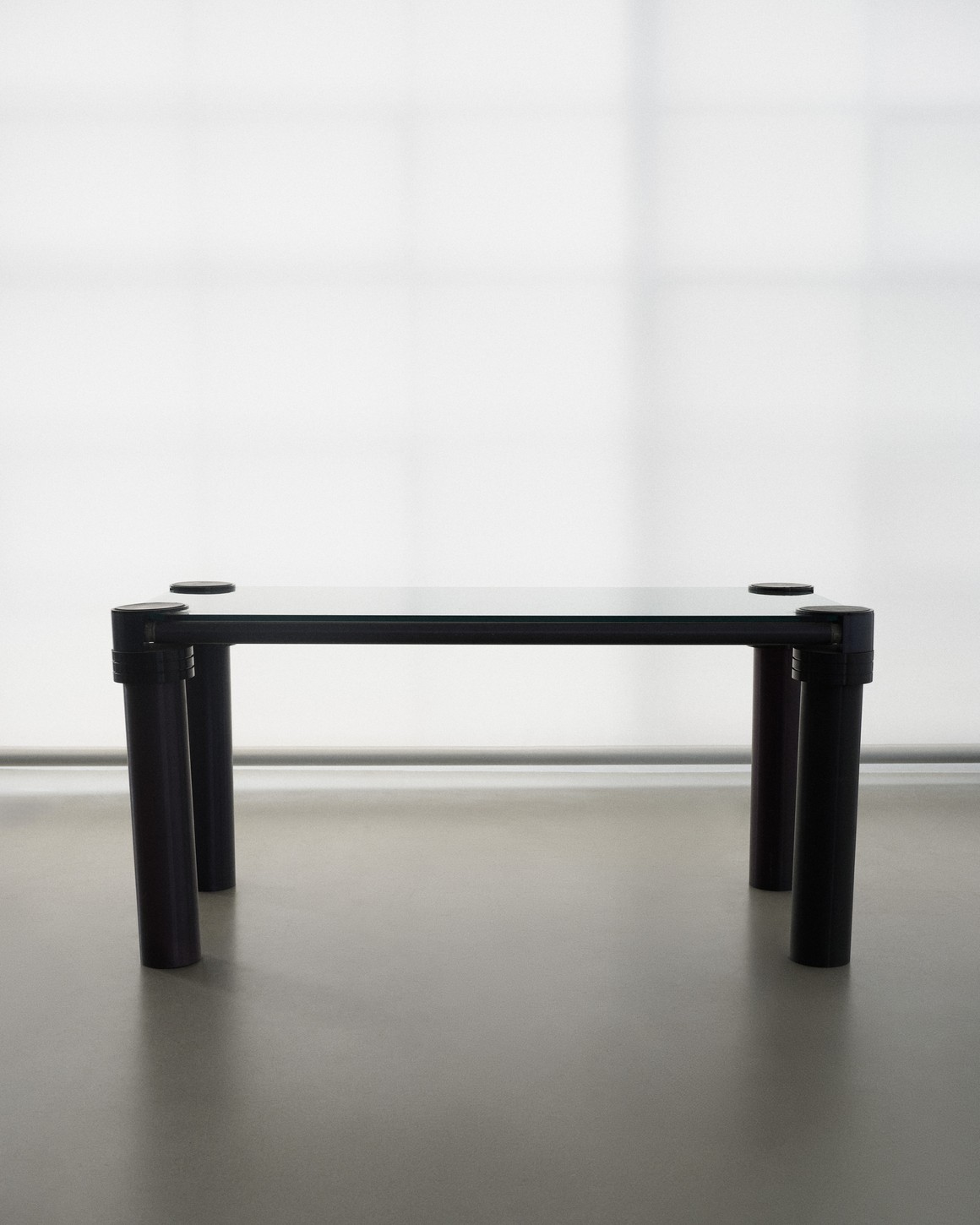
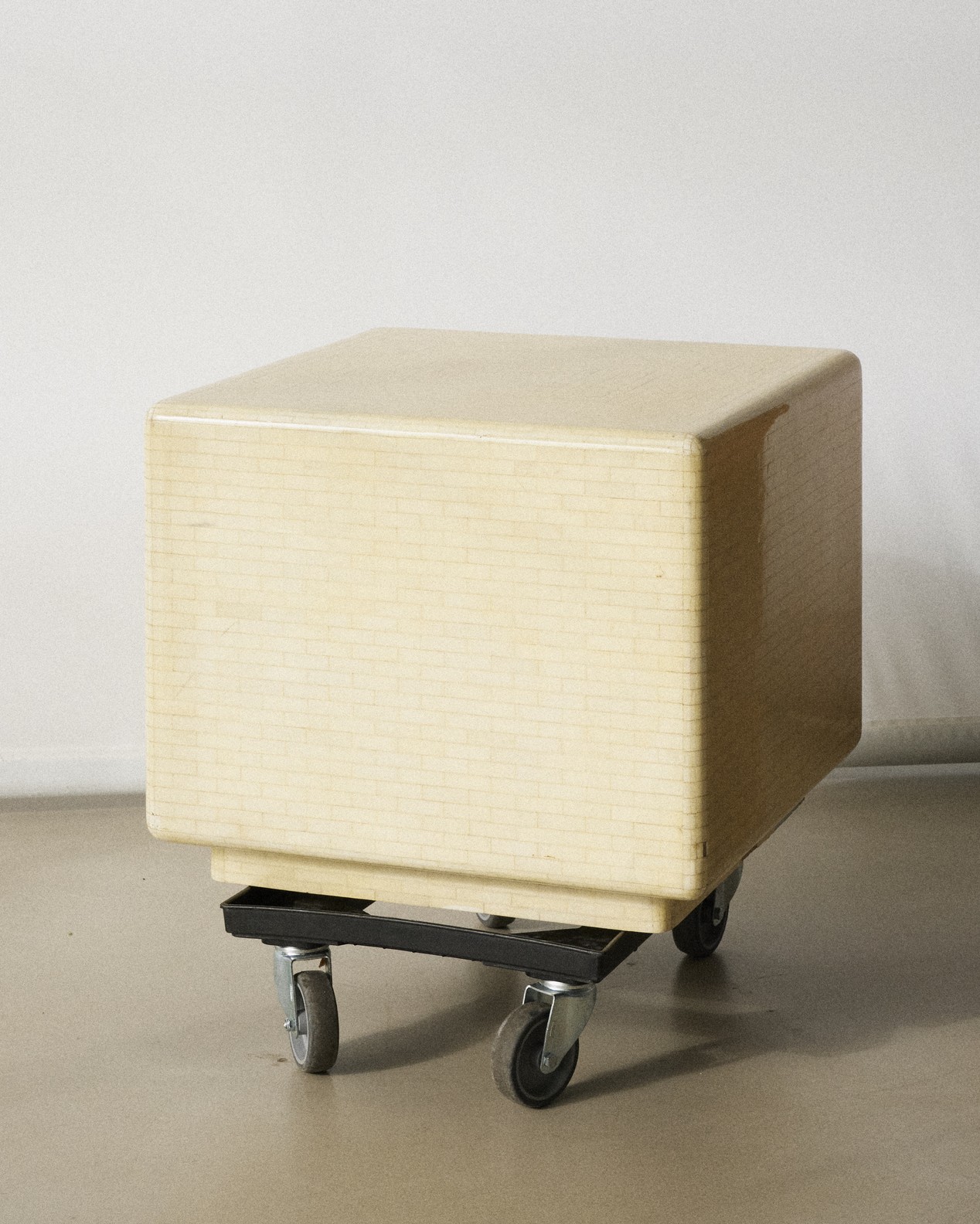
Absence is fundamental. It creates the space necessary for the narrative. As a set designer, I often try to suggest rather than show. An object, a colour, a piece of fabric or even a simple trace can sometimes tell much more than an accumulation of elements. This is often where the viewer’s imagination begins to take over.
MDWhen you look at the final images, what makes you feel that a set has truly worked?
I like it when fiction comes as close as possible to reality and everyday life, to the point where the boundary between the two becomes almost imperceptible. A successful set is not one that draws attention to itself, but one that makes a story feel believable, obvious, almost familiar.
“ As a set designer, I often try to suggest rather than show. An object, a colour, a piece of fabric or even a simple trace can sometimes tell much more than an accumulation of elements.