
Igor Polasiak x Massimo Dutti
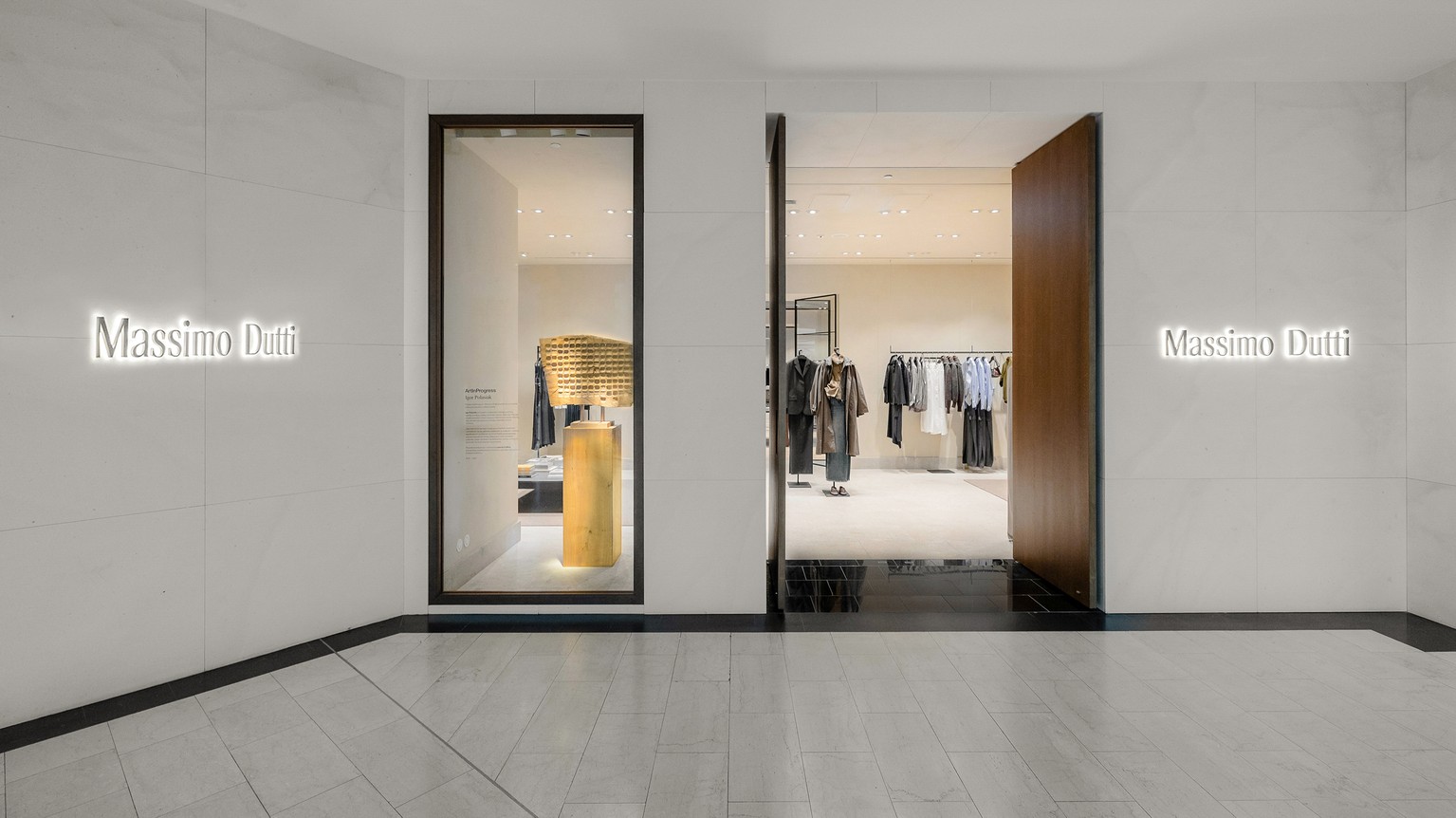
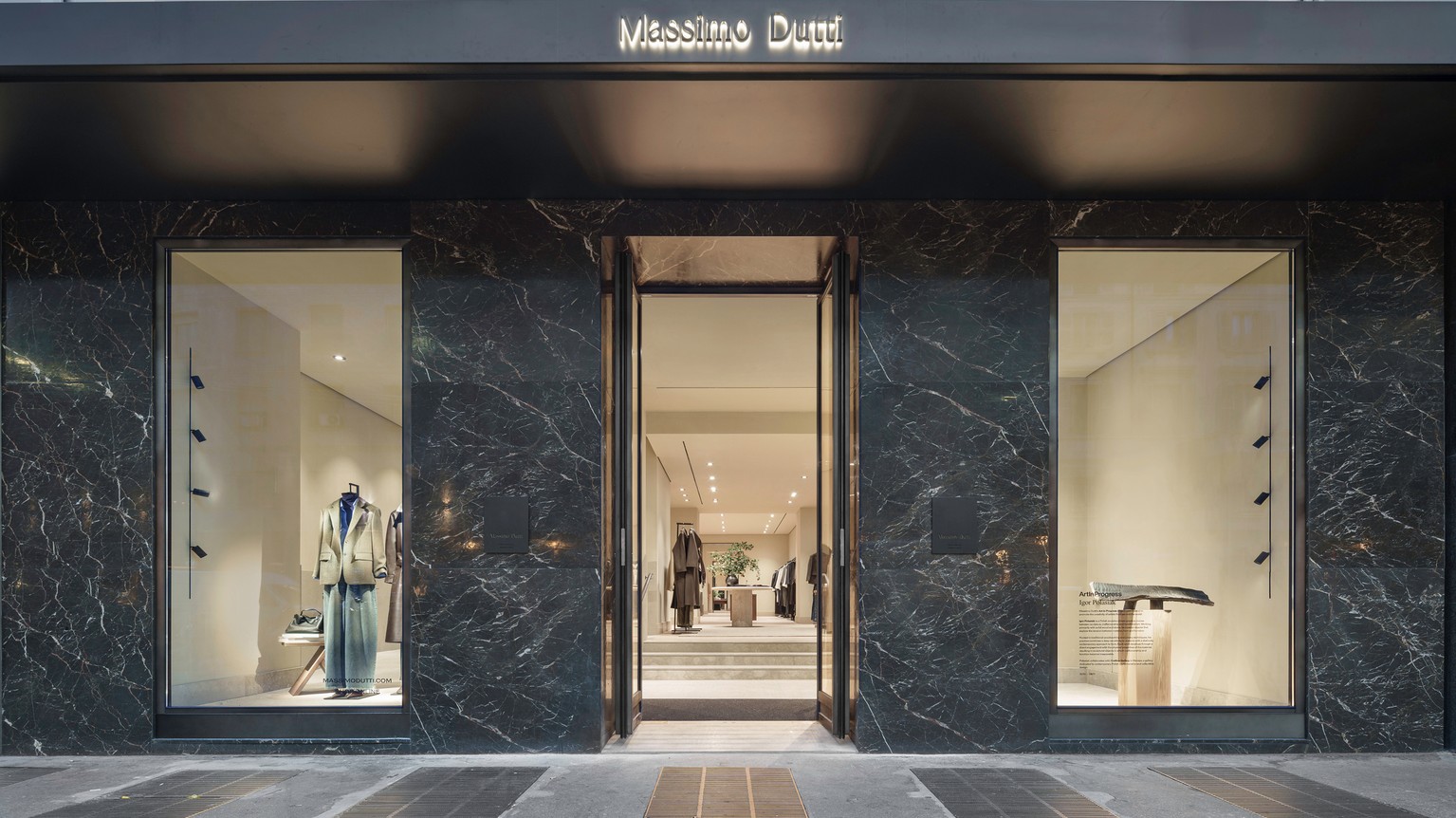
As part of ArtInProgress, Igor Polasiak presents a selection of his works in art installations at the Warsaw and Milan stores.
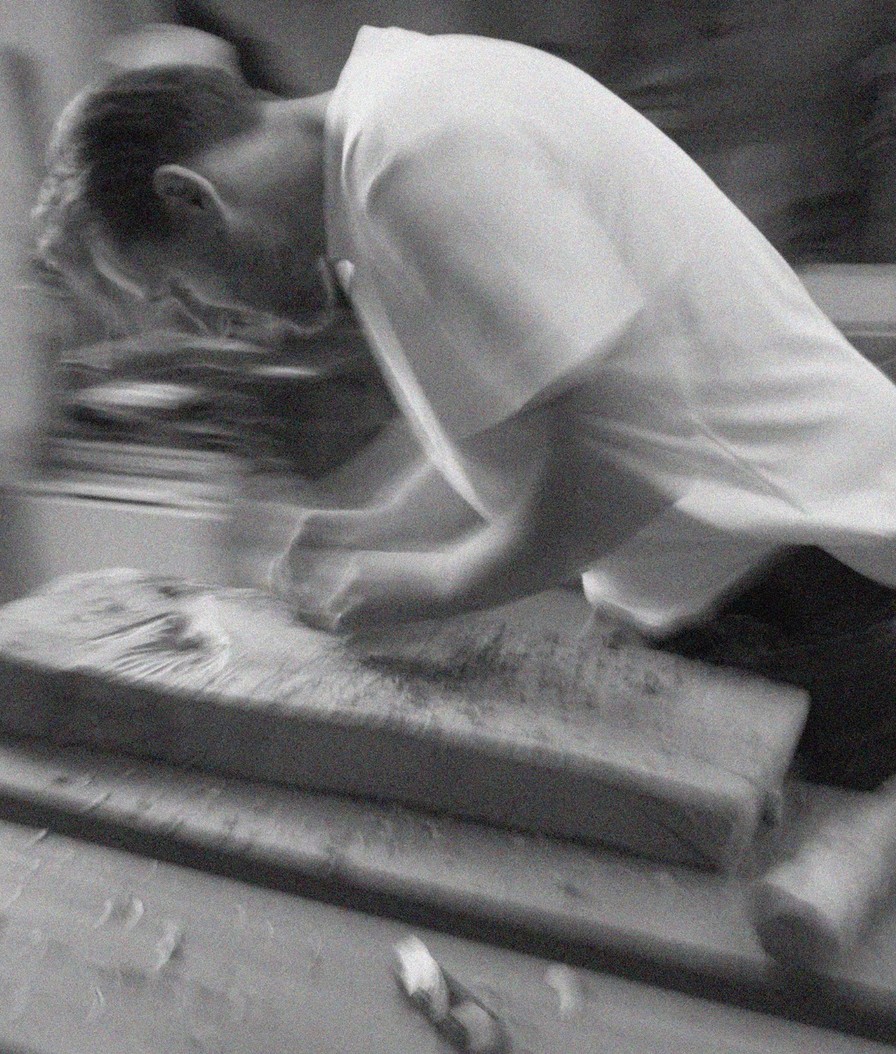
Igor Polasiak is a Polish sculptor whose artistic practice brings together sculpture, craftsmanship and functional art.
Working primarily with solid wood and natural stone, he explores the tension between materiality and function.
Rooted in traditional woodworking and joinery techniques, his work combines a profound sensitivity to nature with a contemporary approach to form.
Each piece emerges from a direct dialogue with the physical properties of its material, resulting in creations that occupy the space between sculptural form, craftsmanship and functional object.
Polasiak works with Warsaw-based Czulość Gallery, which is dedicated to promoting contemporary Polish craftsmanship and collectible design.
@IgorPolasiak
Your work exists somewhere between sculpture, craftsmanship and functional art. How do you define your own practice, and how important is it for you to move freely between these disciplines?
In my work, all boundaries have become blurred. There is no longer any division between sculpture, craftsmanship and functional art. I feel that this is precisely what freedom means in being an artist: not having to define oneself or set limits, whether in terms of material or ideas.
The practice and experience I gained while working as a craftsperson have given me extensive knowledge of wood and allowed me to get to know the material. That is essential in order to take the next step.
Your creative process is deeply connected to the physical qualities of each material. How much does the material itself determine the final form of a piece?
Whether or not I have a design before I start working, it is always a conversation: questions and answers. Sometimes more comes from the material, and sometimes more from me.
It is like with people: sometimes someone has more to say than we do, so we listen.
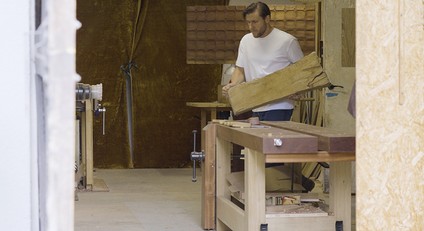
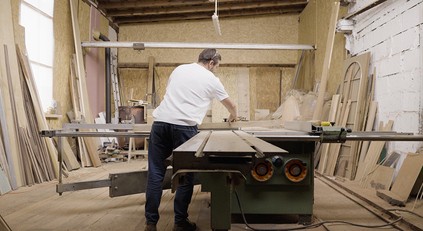
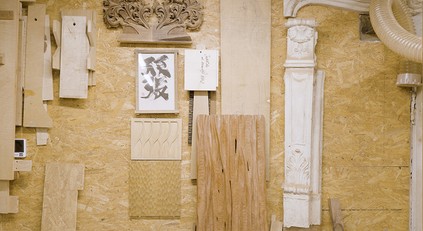
Wood and stone are central to your work. What draws you to these materials, and what do they allow you to express that other materials might not?
Wood will always be my great love. It is a material that resonates deeply with me: its colour, scent, softness and its distinctive sound when it is worked. It awakens in me an inexplicable longing, a certain nostalgia, and at the same time an immense curiosity.
Stone, on the other hand, is the opposite of wood, its reverse. Although wood and stone are different, they share one quality: they already have their own history and energy.
This is important to me because, by entering into a relationship with these materials, we discover that history, the story of their lives. It is a dialogue. I am attentive and I listen; when I hear something, I respond.
Wood enables me to express two very contrasting aspects of my art. One is the pursuit of perfection in the quality of the joints I make, such as dovetails. The other is a certain rawness and brutality, yet also a lightness that cannot be found anywhere else.
Because of its structure, stone becomes unpredictable during the process of working it; it can reveal something I would never have designed.
How does being part of the contemporary Polish craft and design scene influence your work? Is there something particularly Polish in your approach to materials or craftsmanship?
I think it does not matter where inspiration comes from or who made the tools. What matters is the hand that guides and the eye that decides.
I am Polish, and my art will always bear that mark. I regard being part of the contemporary Polish craft and design scene as a great honour. My presence within this scene also strengthens my belief in the value of following my own path.
When someone encounters your work for the first time, what would you like them to notice first: the material, the form, the craftsmanship, the function, or perhaps something less tangible?
I have never wanted to impose what someone should see or feel. Once a work leaves my studio, it lives its own life.
ArtInProgress creates a dialogue between contemporary art, craftsmanship, architecture and fashion. Where do you see connections between your own creative process and the world of fashion?
Above all, the works I present as part of ArtInProgress are unique, which means they cannot be repeated.
I think this is a metaphor for who we are: each of us is unique and exceptional, and cannot be copied.
Fashion allows us to express ourselves and make our inner selves visible. I believe art does the same.
For ArtInProgress, your work enters the context of Massimo Dutti stores in Warsaw and Milan. How does presenting your pieces outside a traditional gallery setting change the way you think about them and the way the public experiences them?
I think it is wonderful, because these works become more accessible to a wider audience.
They enter into a relationship with people who, in other circumstances, would never have seen them.
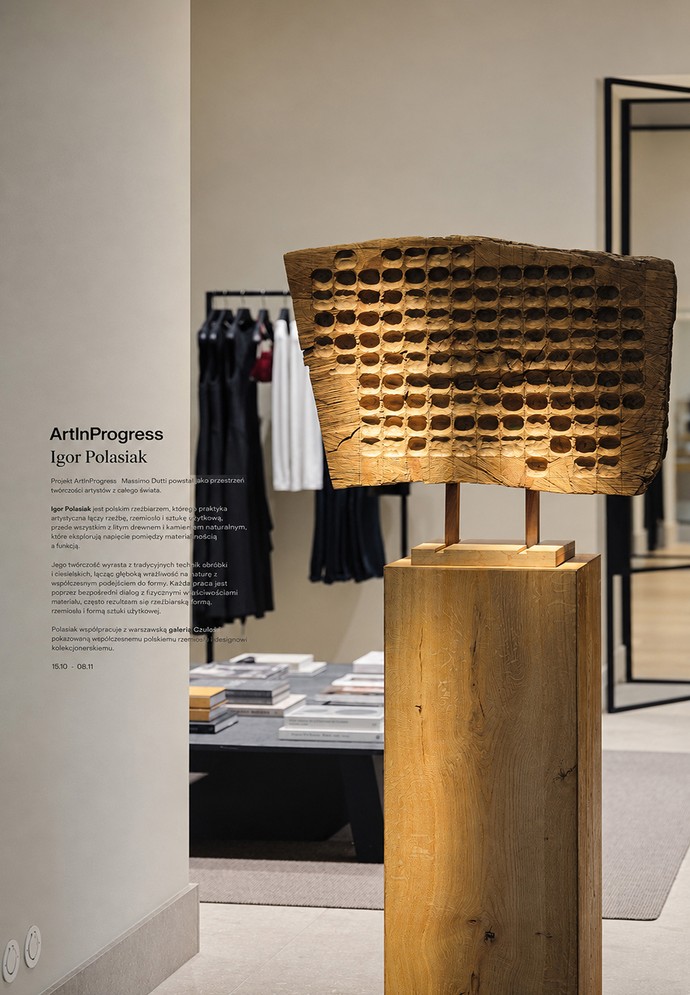
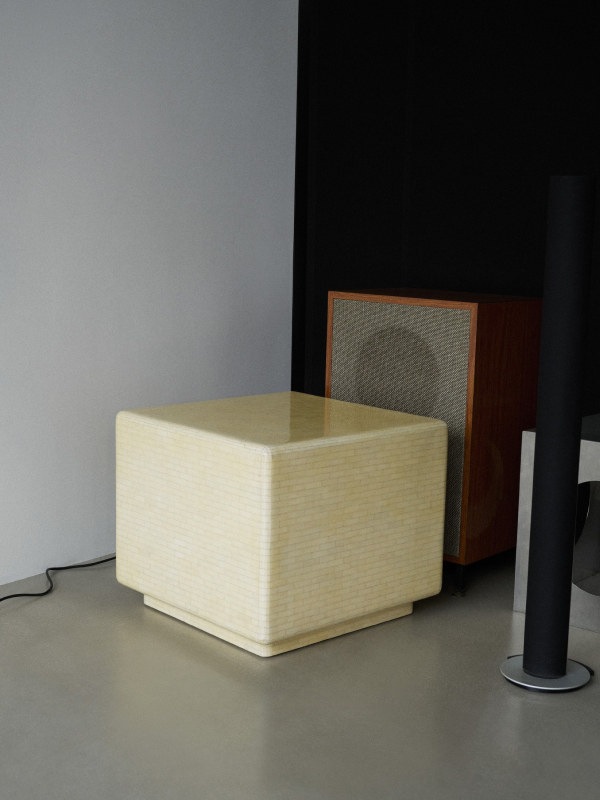
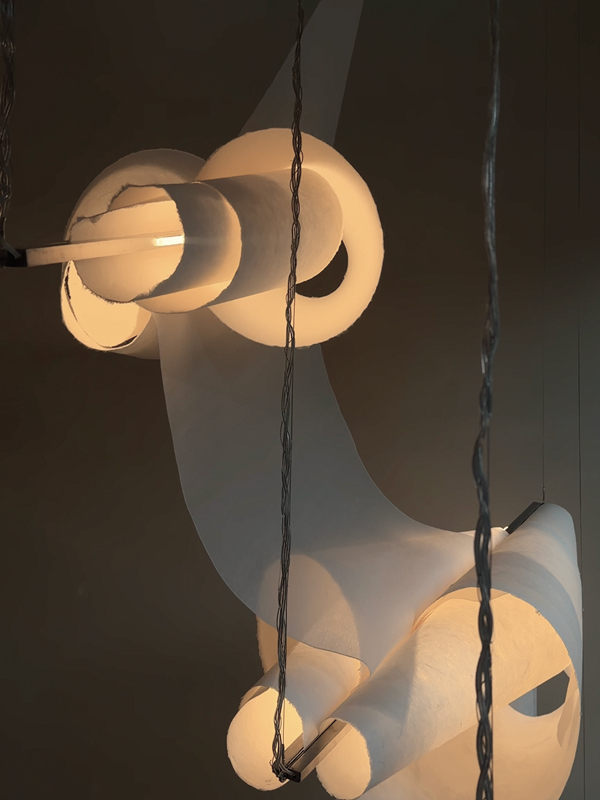
Igor Polasiak’s sculptural forms transform the space into a distinctive artistic experience.
Warsaw
( Westfield Arkadia Shopping Centre
John Paul II Avenue, Warsaw )
Igor Polasiak.
“The Power of Things” series no. 2
AiPIgor PolasiakWarsaw
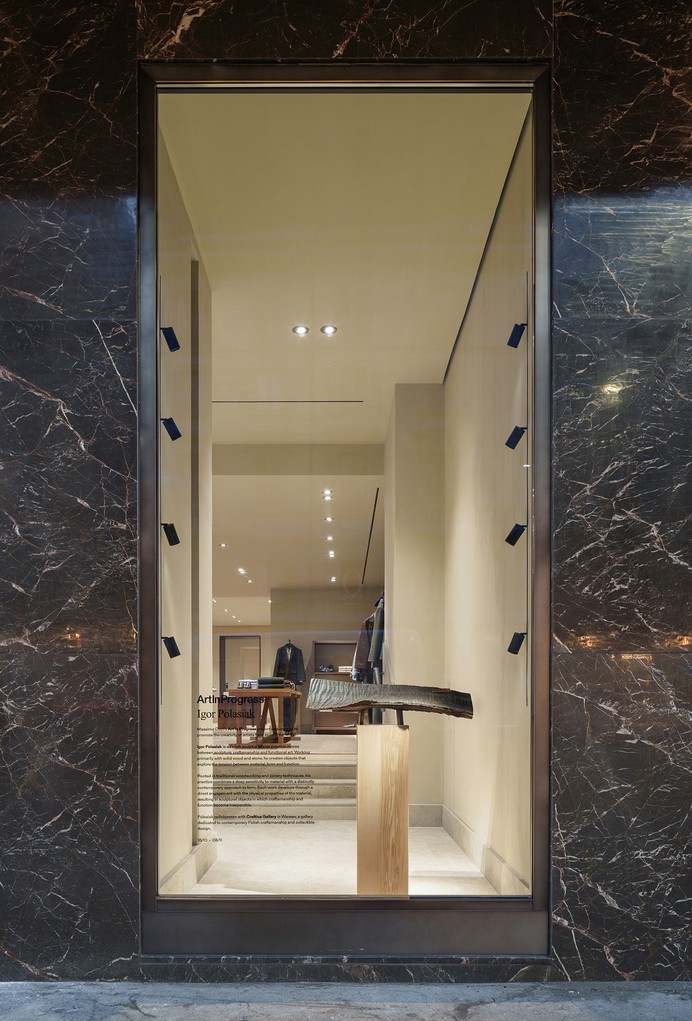
The expressive power of natural materials takes centre stage in an installation connecting creativity, design and contemporary expression.
Milan
( Corso Venezia 3, Milan )
Igor Polasiak.
“The Power of Things” series no. 9
AiPIgor PolasiakMilan