
Arles. Scenes from a city
Arles reveals itself through history, light and photography. Coinciding with Les Rencontres d’Arles, we wander through its streets to discover a city where every corner invites a closer look.
Arles,
Photos:Raquel Gueuse
43°40′37″ N 4°37′
43″ E
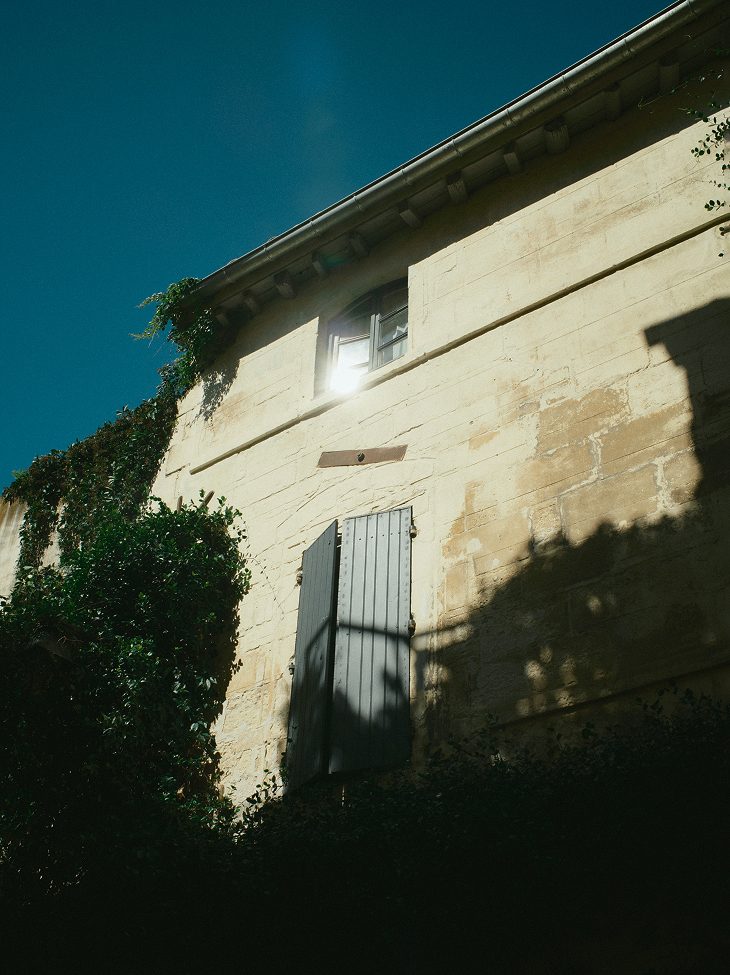
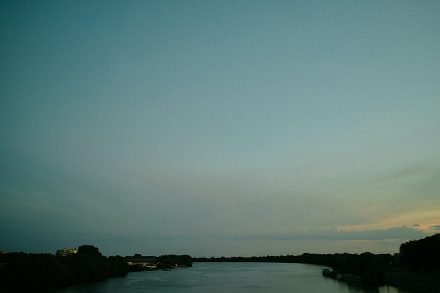
Arles is best discovered without rushing. Among sun-worn façades, cafés, quiet squares and Roman remains, the city preserves an imperfect beauty that seems to resist the passage of time. Every summer, Les Rencontres d’Arles transforms its streets into a vast territory devoted to photography, yet its magnetism extends far beyond the exhibitions. Simply walking, observing shop windows, crossing courtyards or following the light along the Rhône reveals why this corner of Provence continues to fascinate contemporary artists and travellers.
( 02. )
Arles43°40′37″ N 4°37′43″ E
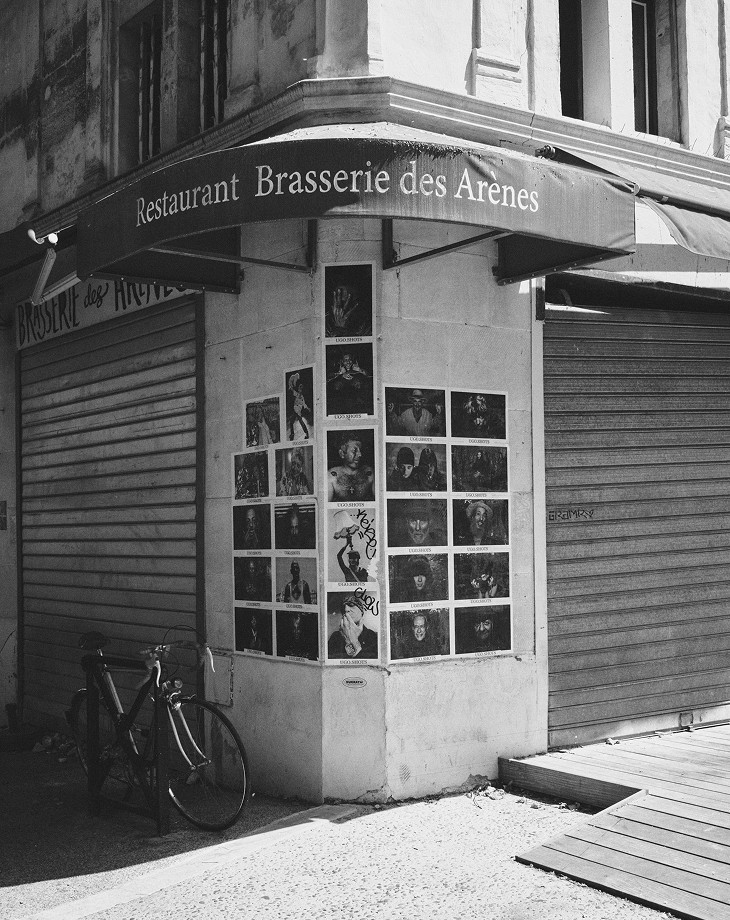
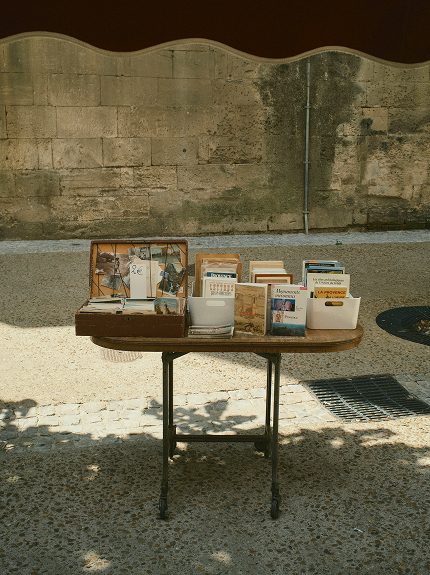
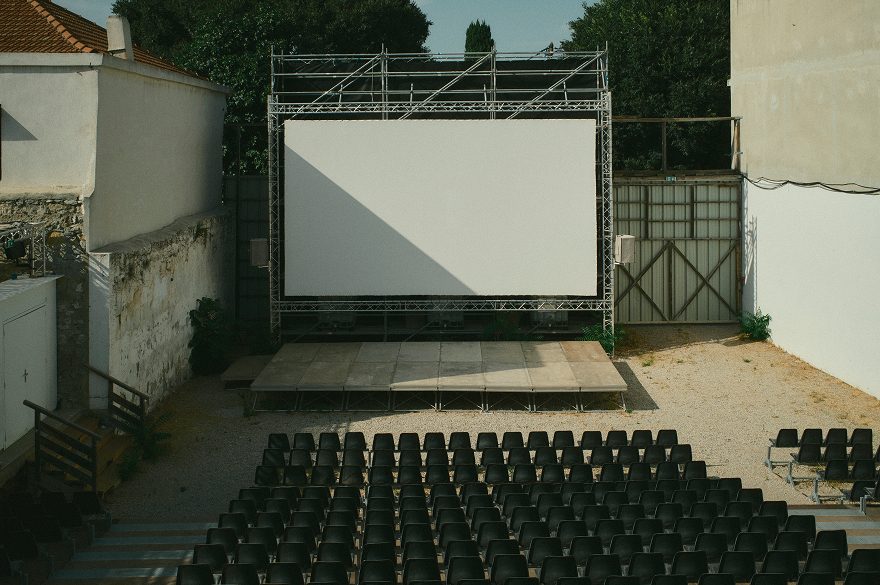
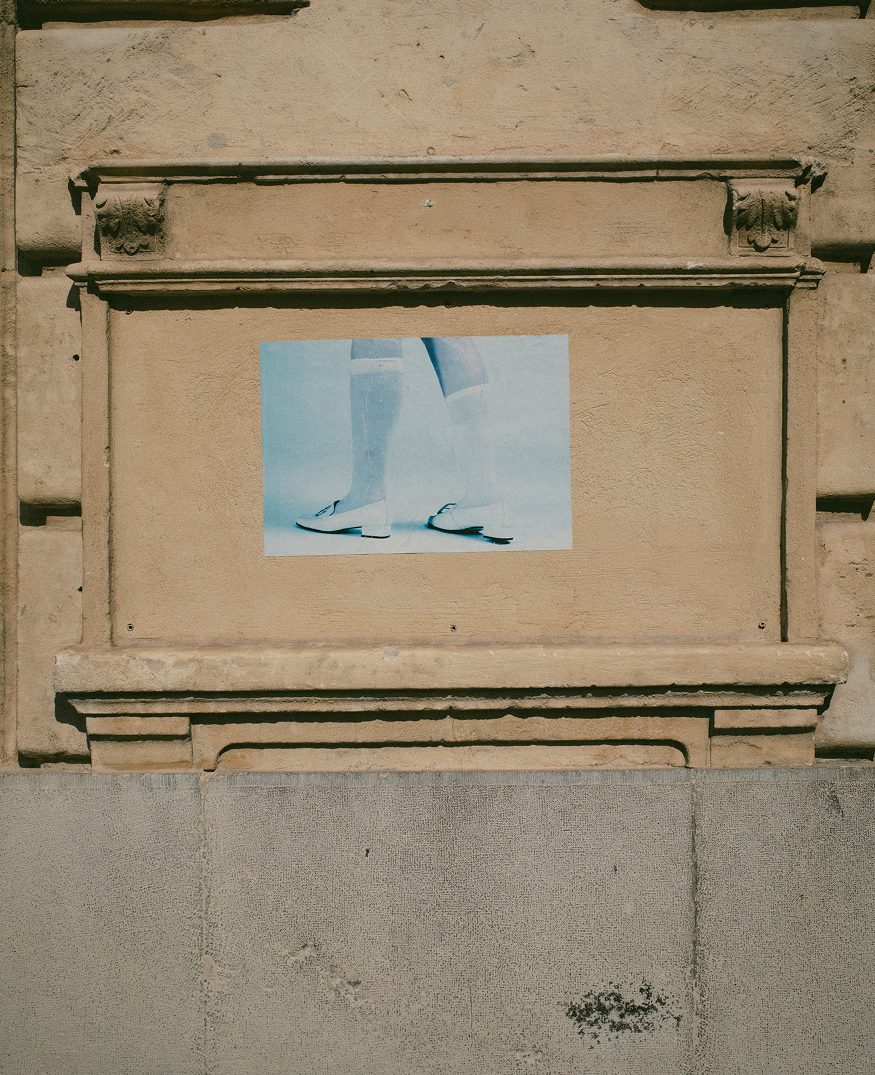
During Les Rencontres d’Arles, photography leaves the exhibition spaces and spreads throughout the city: walls, shop windows, courtyards and streets become part of a distinctive visual geography each summer.
( 03. )
( 05. )
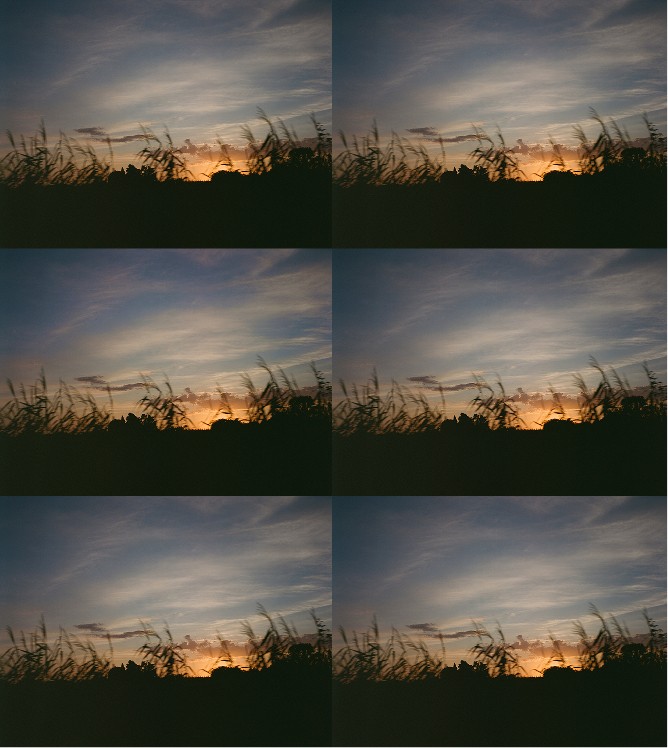
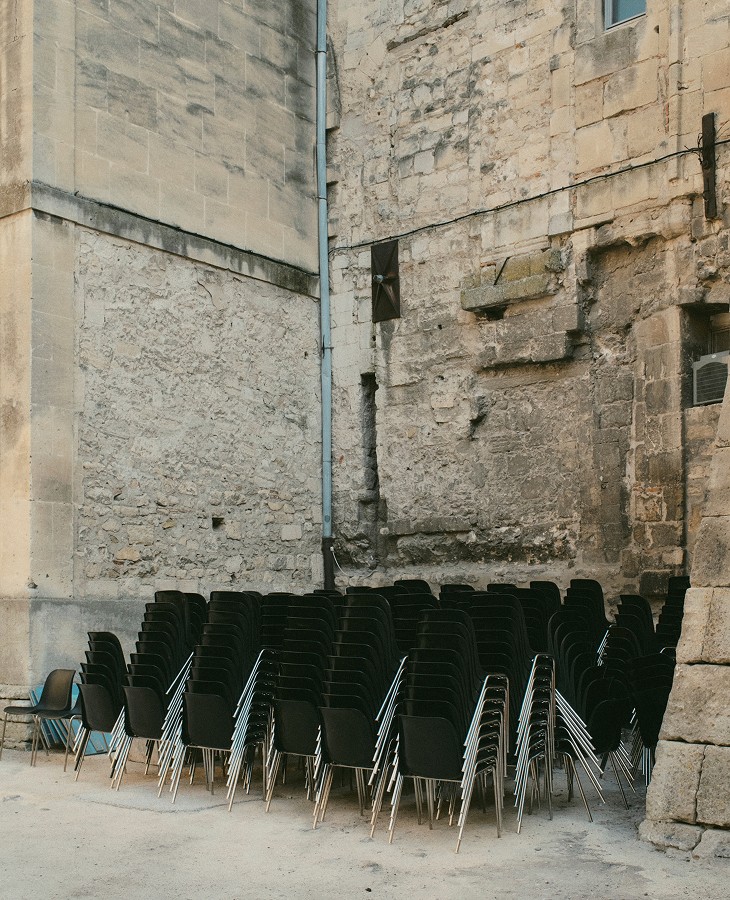
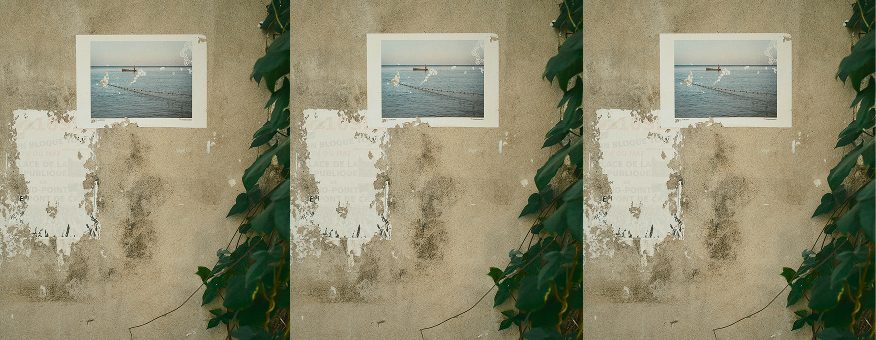
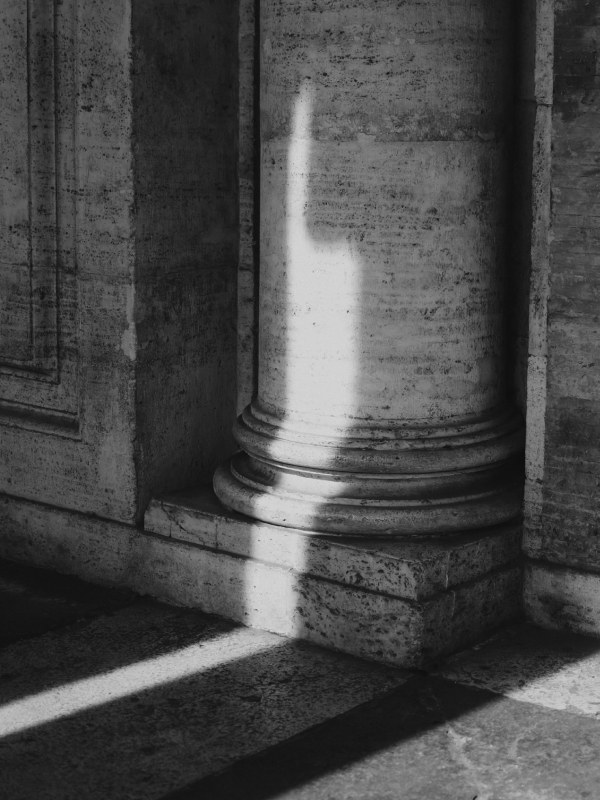
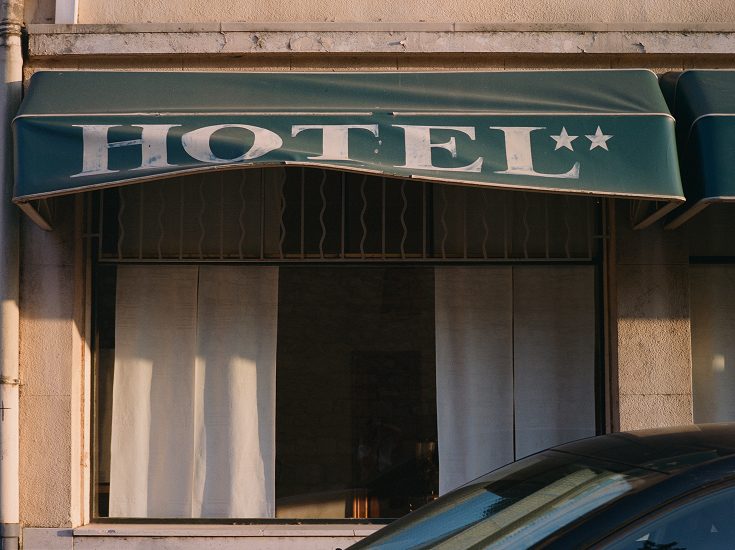
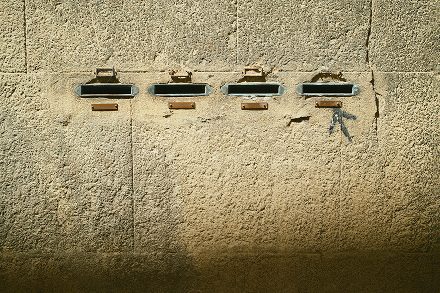
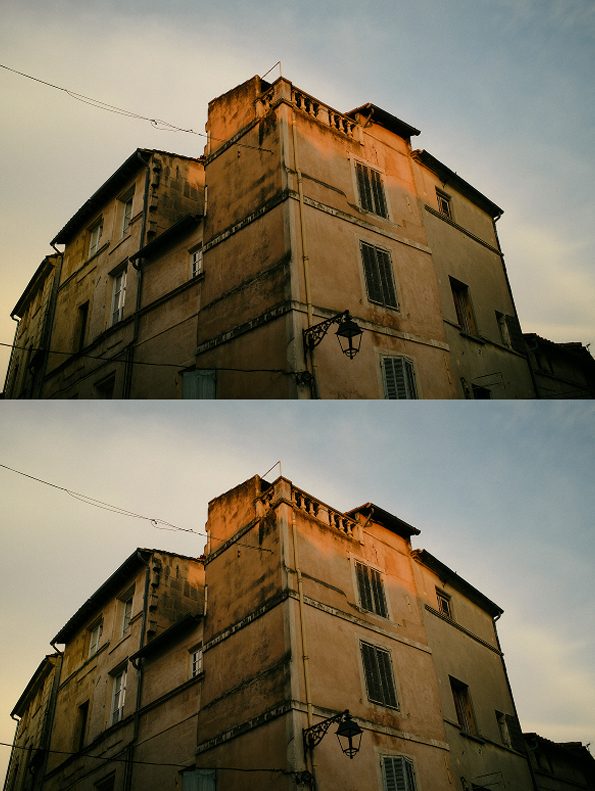
Arles possesses an identity built in layers. Its Roman heritage coexists with palaces, traditional homes, shops and traces of its industrial past. Along its streets, pale stone, weathered shutters and vintage signs compose an everyday setting that never seems frozen in time.
( 09. )
Arles43°40′37″ N 4°37′43″ E
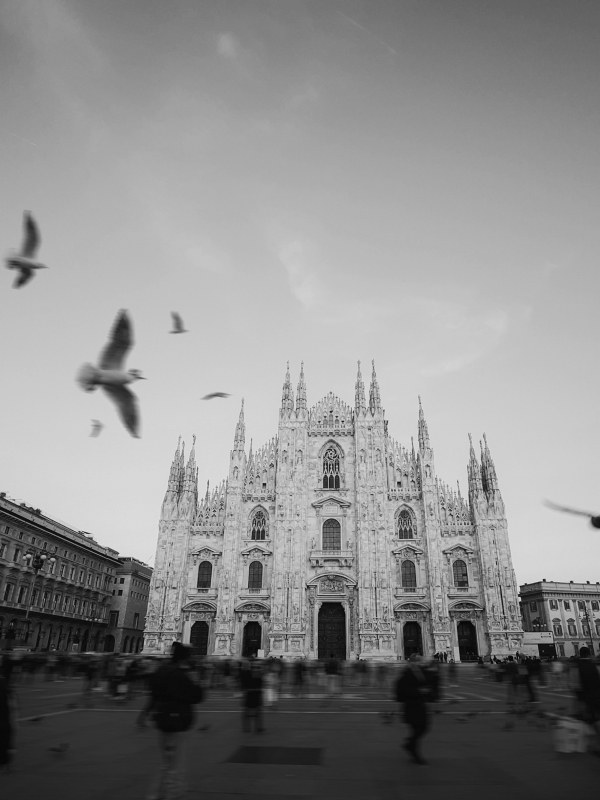
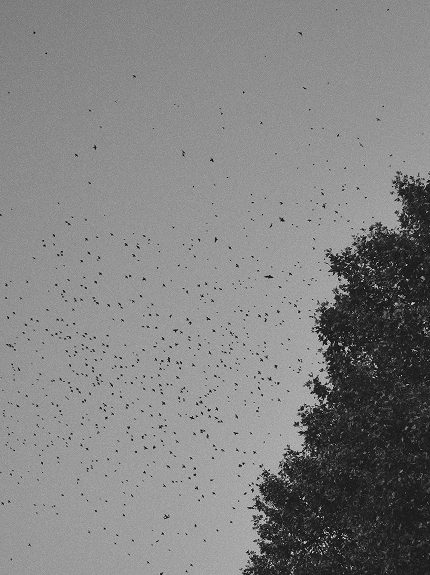
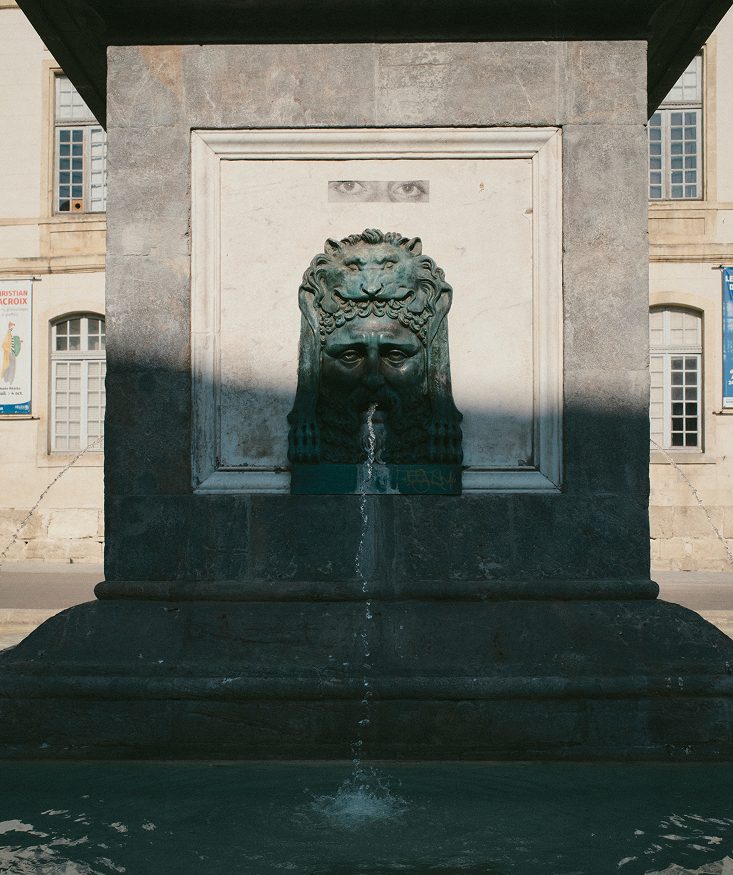
Arles moves between past and present with complete ease. Its narrow streets, historic buildings and unexpected corners shape a distinctive identity, while the Provençal light transforms façades and landscapes. A city that invites you to walk slowly and notice what might otherwise go unseen.
( 11. )
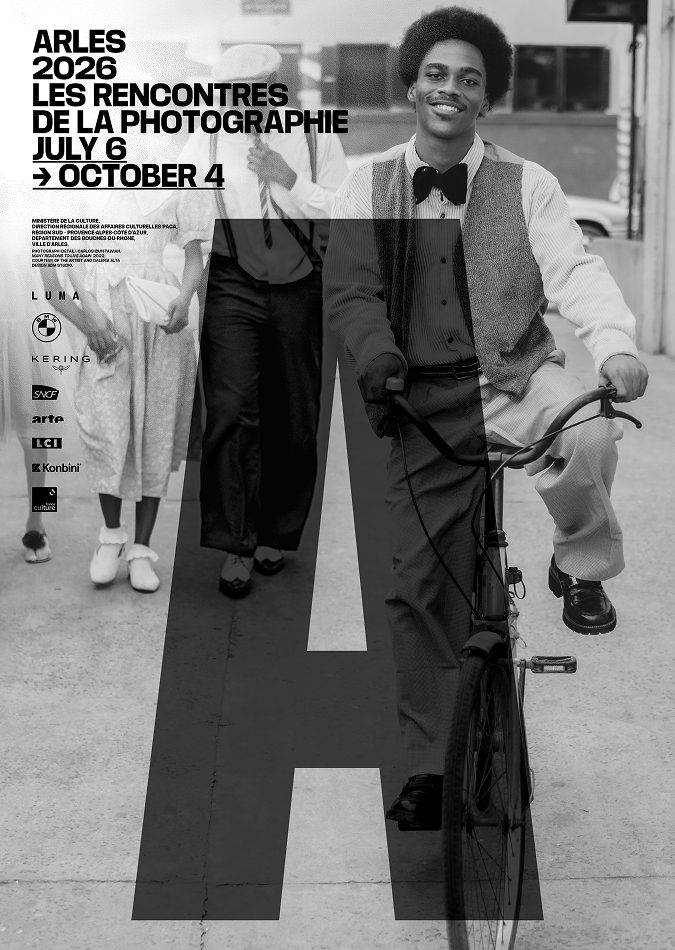
Arles, 2026
Les Rencontres de la Photographie
Poster photo: Carlos Idun-Tawiah, Many Reasons to Live Again, 2022 Courtesy of the artist and Galería Alta.
In 2026, Les Rencontres d’Arles returns with an especially symbolic edition, structured around six major chapters: Independence, Journeys, Forms of Life, Revisits, The Uncertain Archive and Emerging Voices. A plural perspective on contemporary photography, complemented by Arles Books, associated exhibitions, Grand Arles Express, the opening week and an extensive educational and professional programme, once again turning the city into a meeting point for artists, authors and new perspectives.
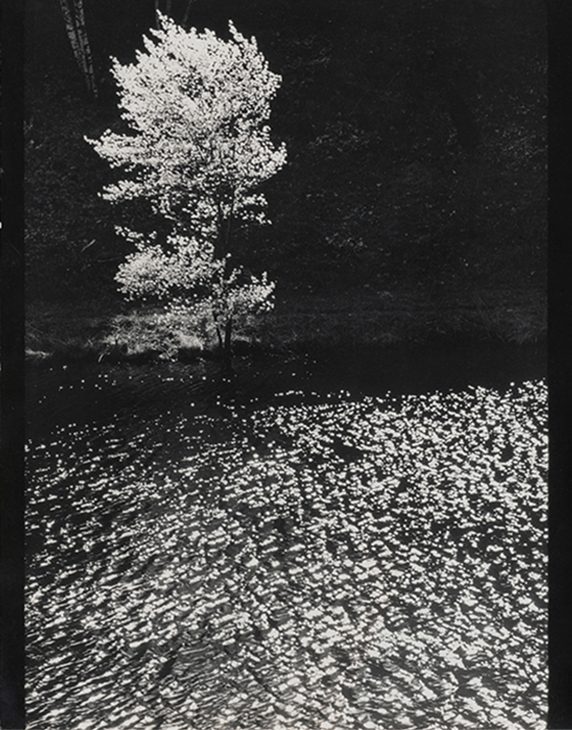
Edward Steichen, The Shadblow Tree, Umpawaug Farm, Connecticut, United States, 1960. Spuerkeess Collection. © 2026 The Estate of Edward Steichen / Artists Rights Society (ARS), New York
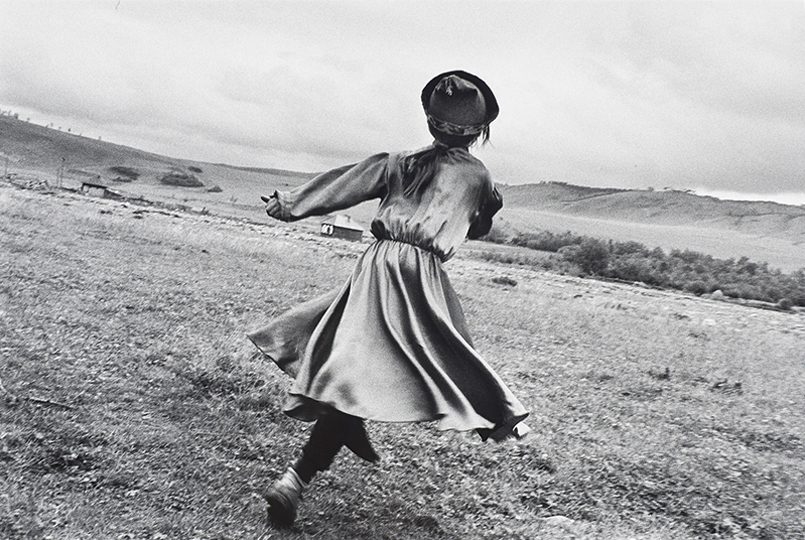
Claudine Doury, Little Vera, Lake Baikal, Siberia, 1998. Courtesy of the artist and in camera galerie.
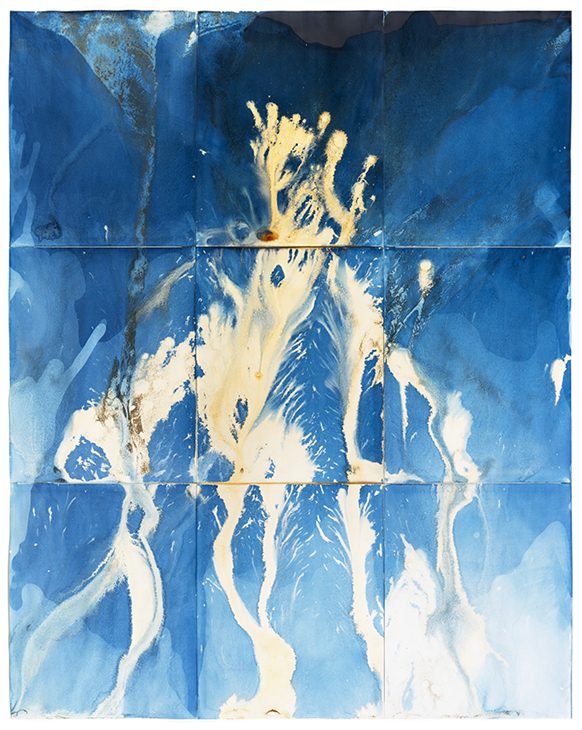
Meghann Riepenhoff, Adaptive Radiation #1 (Hanford Reach, Washington, USA, 5.23.2025, River Water, Reference Woman, Reducing Agent), May 23, 2025, series State Shift, 2024–2026, unique dynamic cyanotype, Courtesy of the artist.
( 13. )
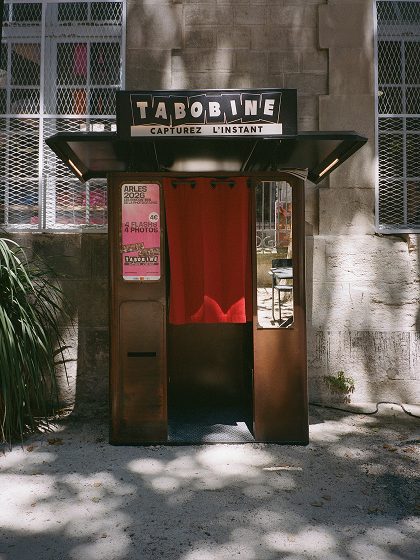
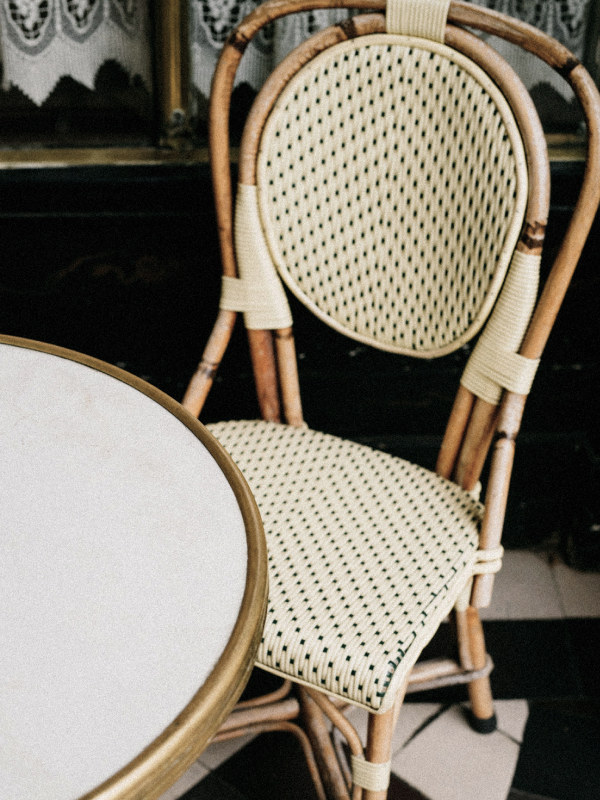
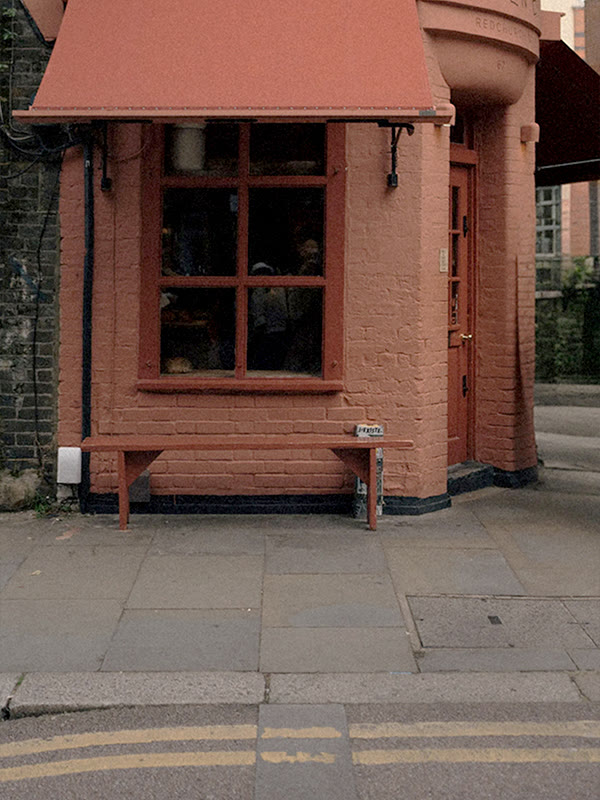
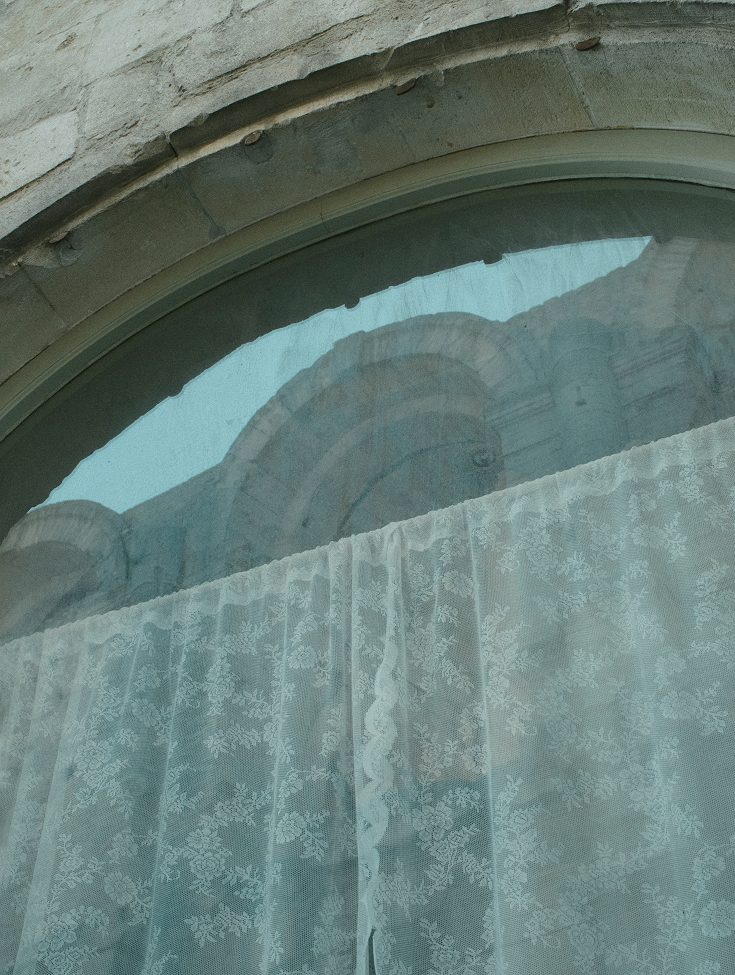
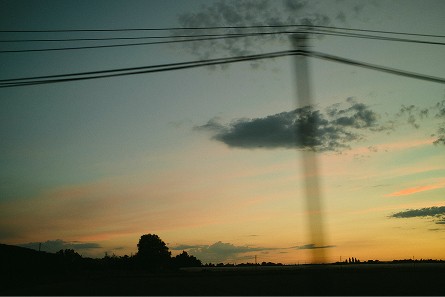
Beyond its monuments, it is the details that ultimately define the city: a façade marked by time, an empty terrace, overlapping posters or a window open at midday. During the festival, this everyday reality inevitably enters into dialogue with the images on display. The gaze becomes more attentive and Arles itself seems to turn into a photograph. Between exhibitions, wandering without a destination becomes part of the experience: observing, pausing and slowly discovering what might otherwise go almost unnoticed.
( 15. )
( 17. )
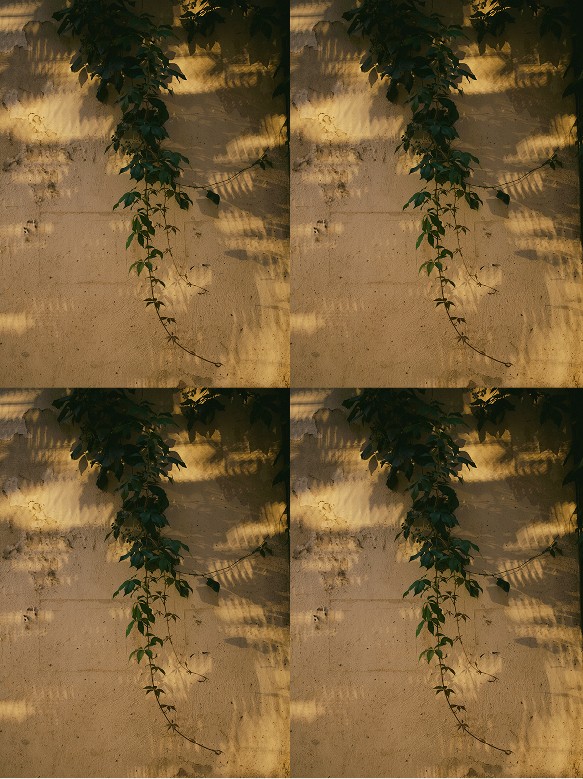
Arles43°40′37″ N 4°37′43″ E
Between stone, light and memory, Arles turns walking into an exercise in observation. During the festival, looking at the city becomes an inseparable part of the photographic and cultural experience.