
NY Documentary — Fashion Week
Nueva York durante la Fashion Week parece acelerar: un diario visual sobre momentos cotidianos que revelan el ritmo de la ciudad en una de sus semanas más intensas.
The Look
What to wear on NY Fashion week

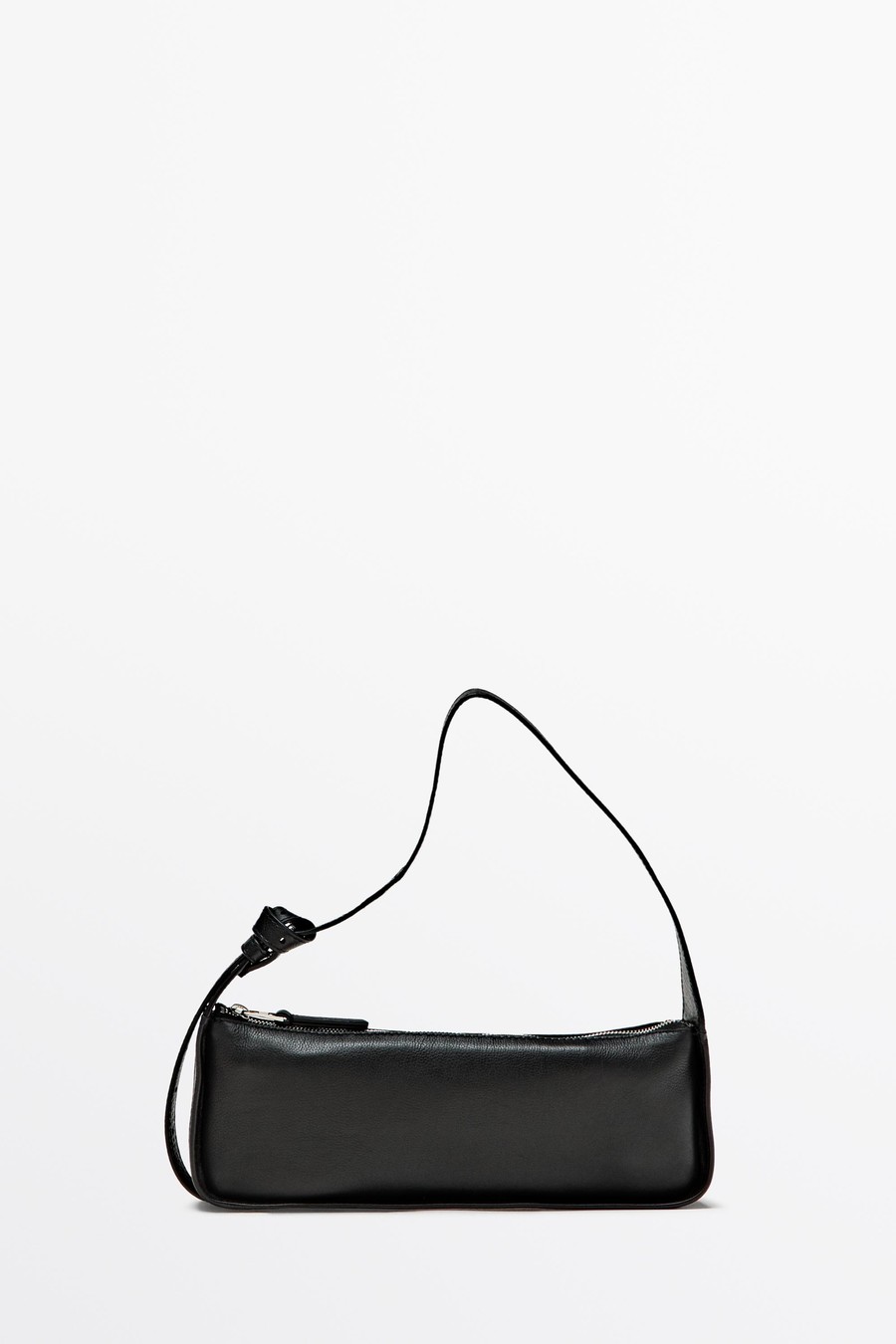
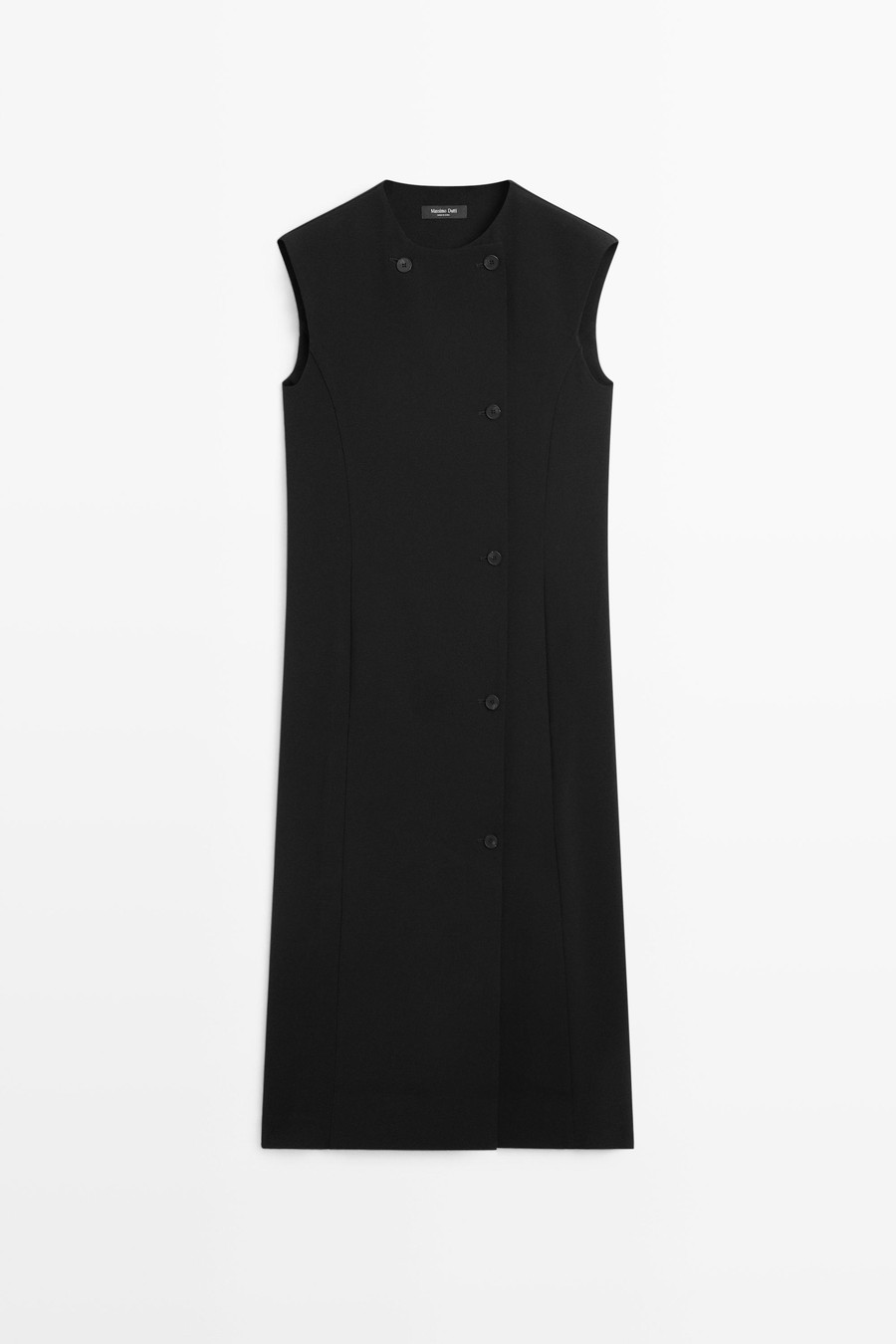
Buttoned Midi Dress, Mini Leather Shoulder Bag
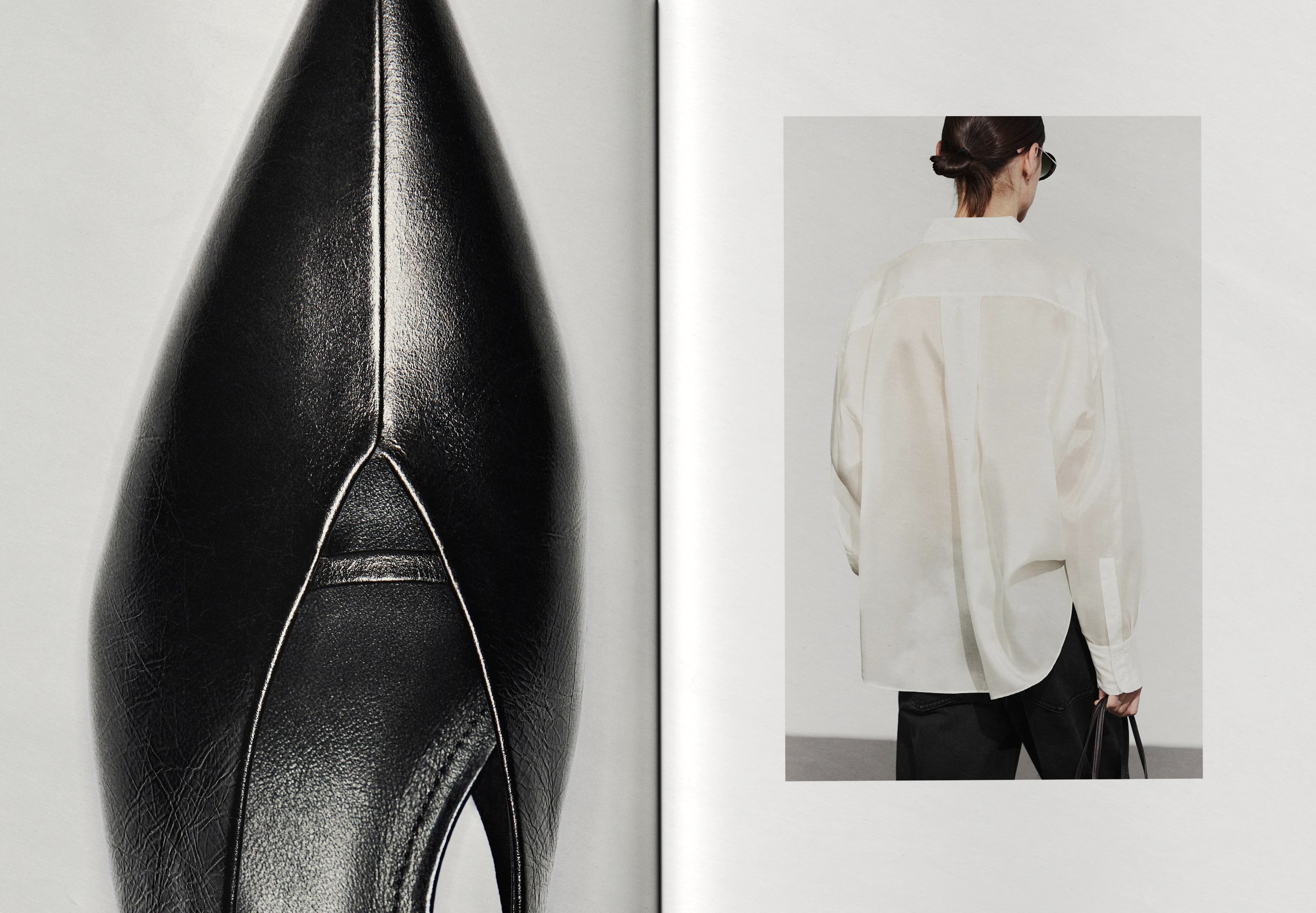
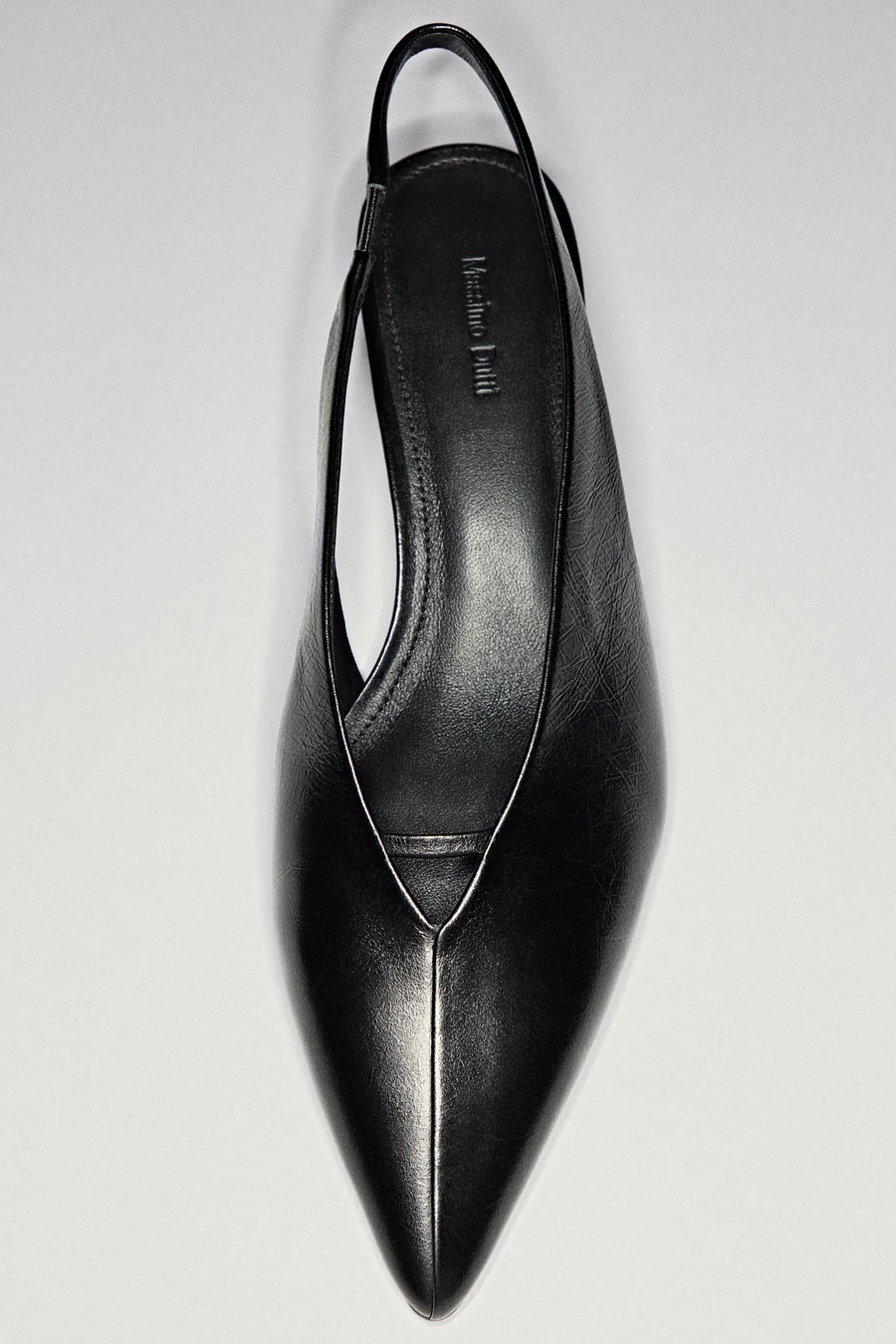
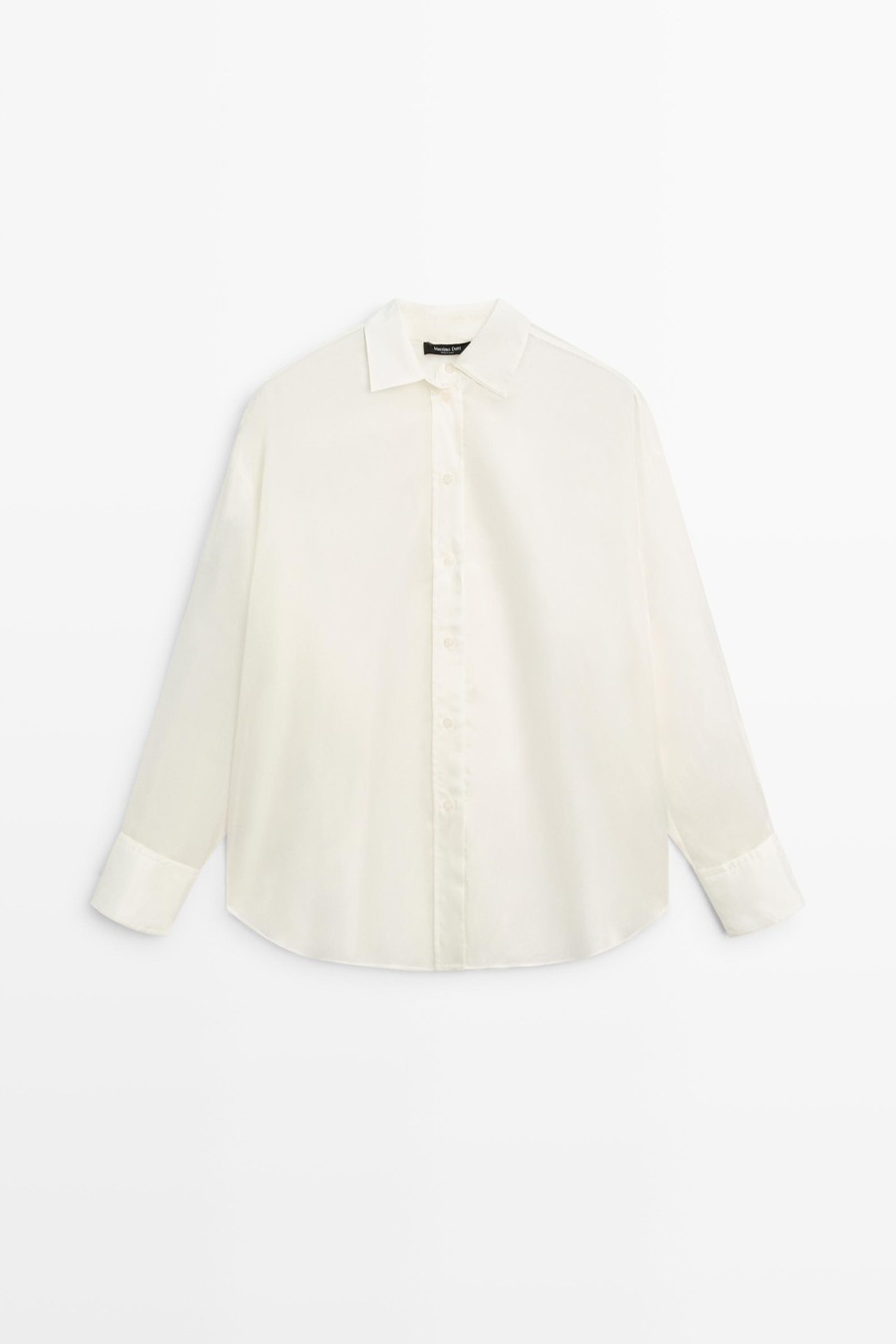
Oversized Fluid Shirt, Slingback Heels

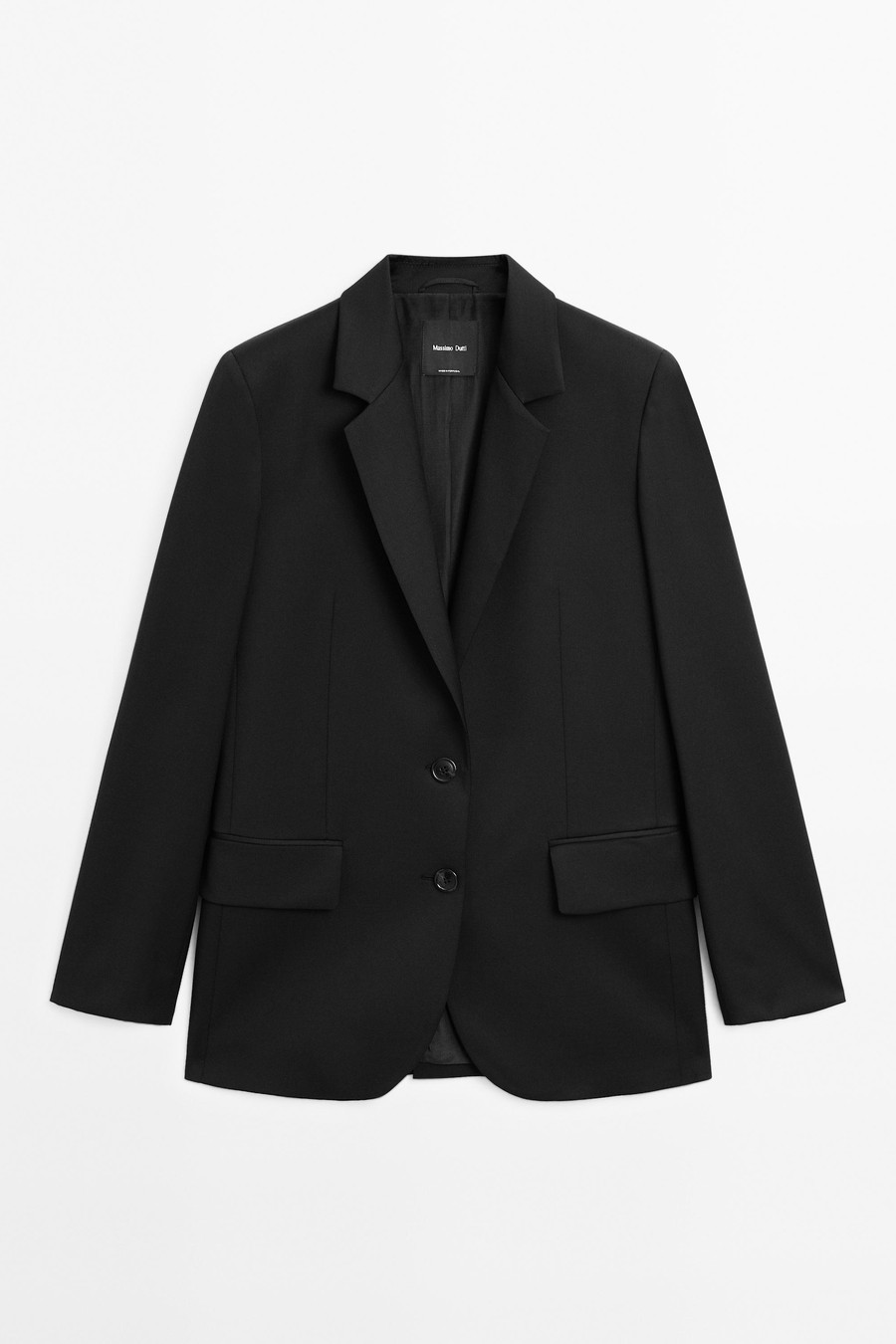
Wool Two-Button Blazer, Oversized Wrap Sunglasses

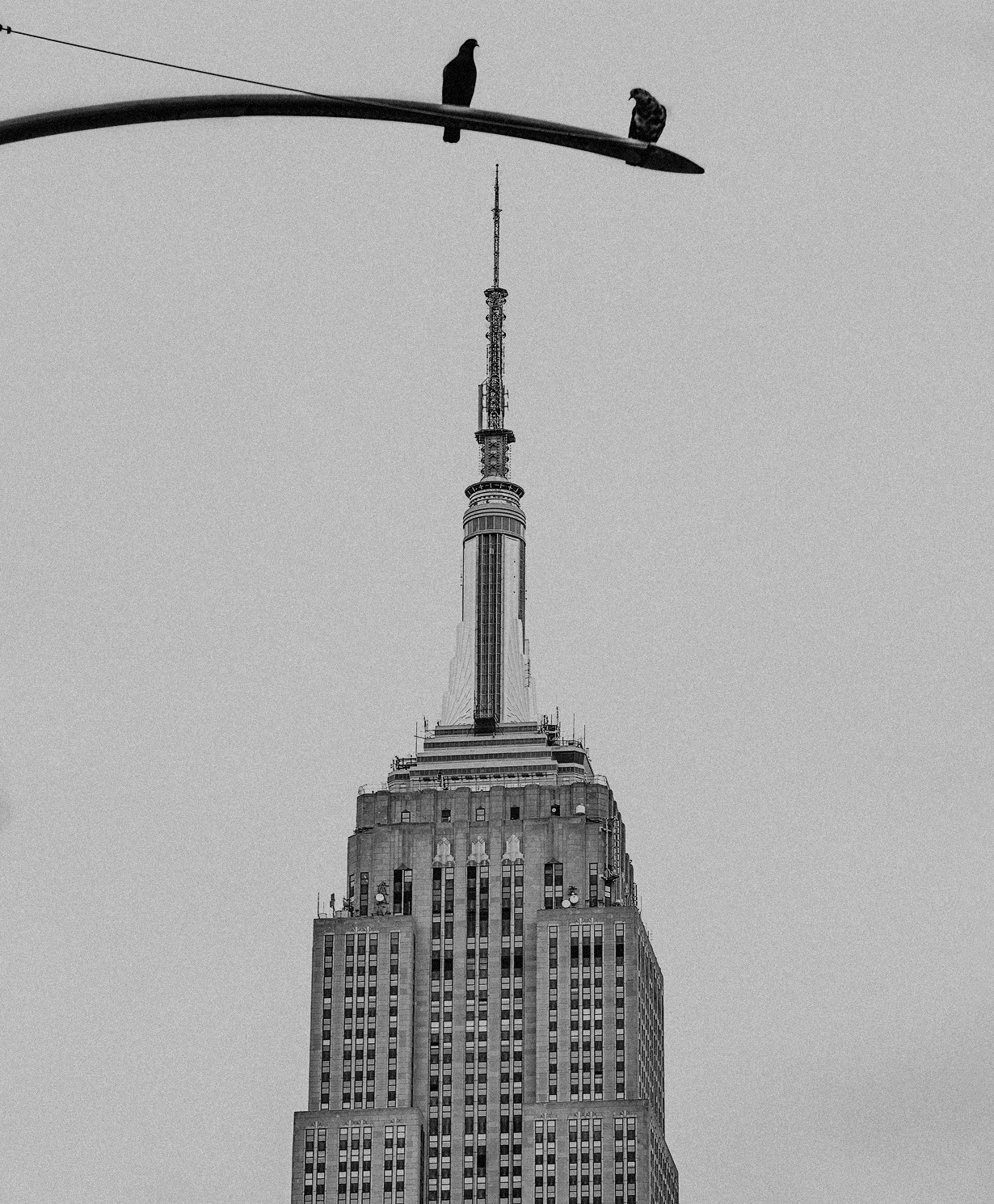
A Fashion Week City Guide
byMassimo Dutti Paper
During Fashion Week, we discover New York from south to north. With no single venue, shows and presentations take place across different parts of the city, turning the streets and journeys between appointments into part of the experience.
Start Downtown
SoHo — Cast Iron & Fashion
We begin in SoHo, one of downtown Manhattan’s great classics.
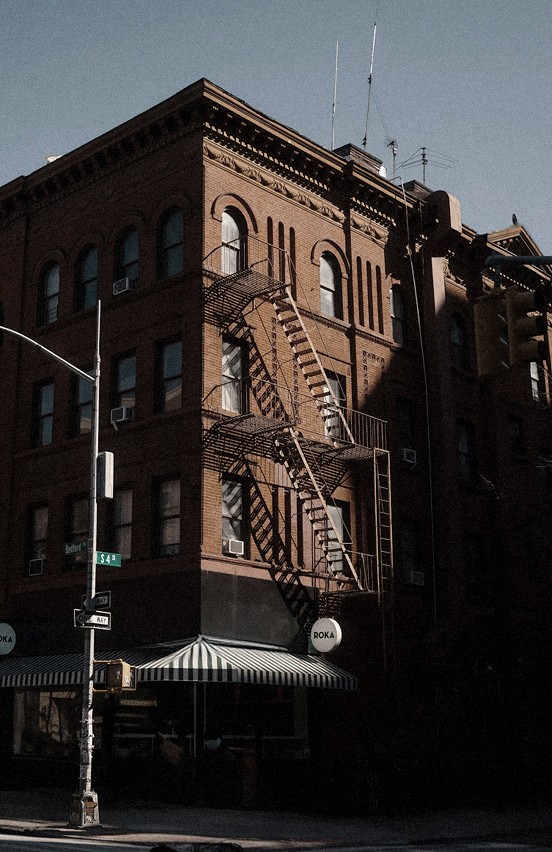
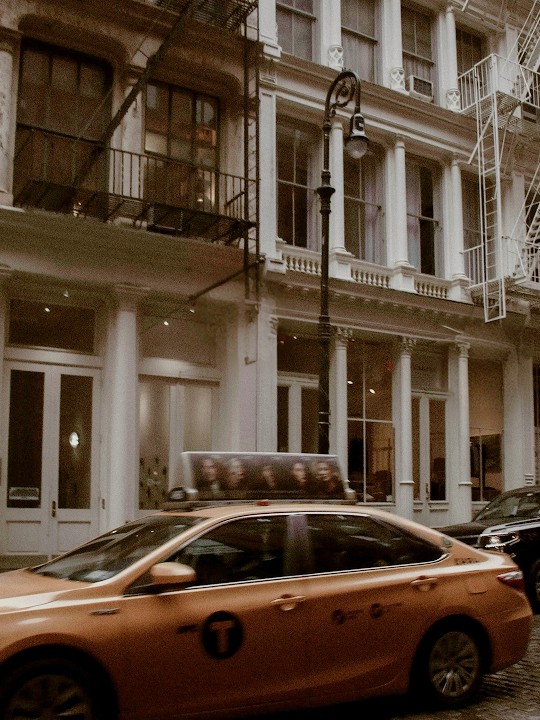
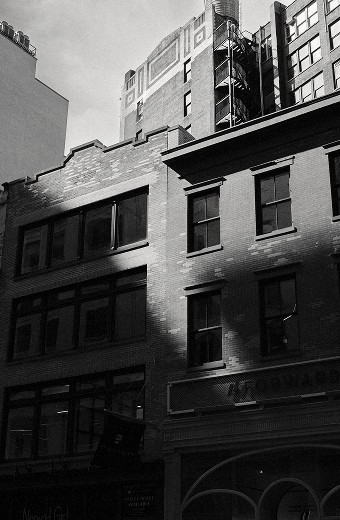
Its cast-iron façades, large windows and cobblestone streets preserve the neighborhood’s industrial memory. This is a place to look up: columns, cornices and metal structures create an almost graphic architecture that has become an inseparable part of New York’s visual identity.
NYCFW26
( 01 )Greene Street
NYCFW26
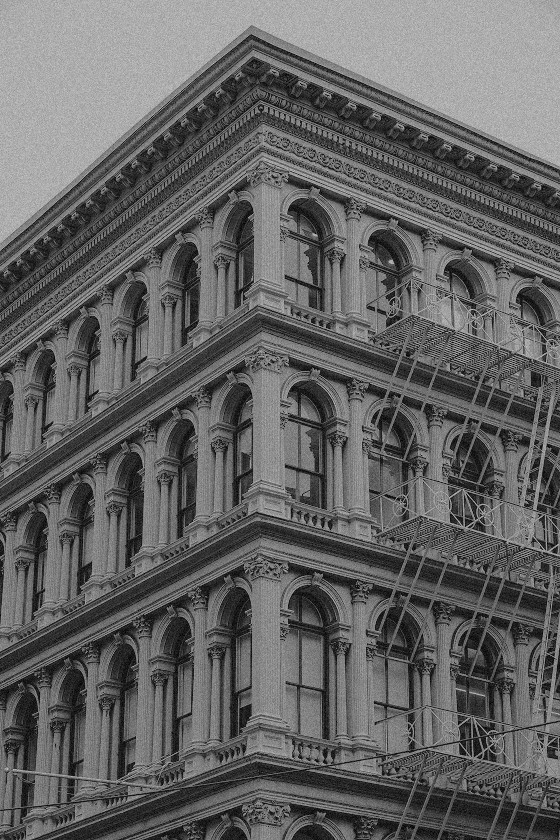
( 02 )Haughwout Building
NYCFW26
To see
( 01 )Greene Street — one of the best perspectives on the neighborhood’s cast-iron architecture.
( 02 )Haughwout Building — one of SoHo’s finest historic examples of cast-iron architecture.
( 03 )The Puck Building — late-19th-century industrial architecture between SoHo and Nolita.
( 04 )Judson Memorial Church — architecture and culture beside Washington Square, marking the transition towards the Village.

NYCFW26
East
Lower East Side — New York at Street Level
From SoHo, we head east and the city changes scale.
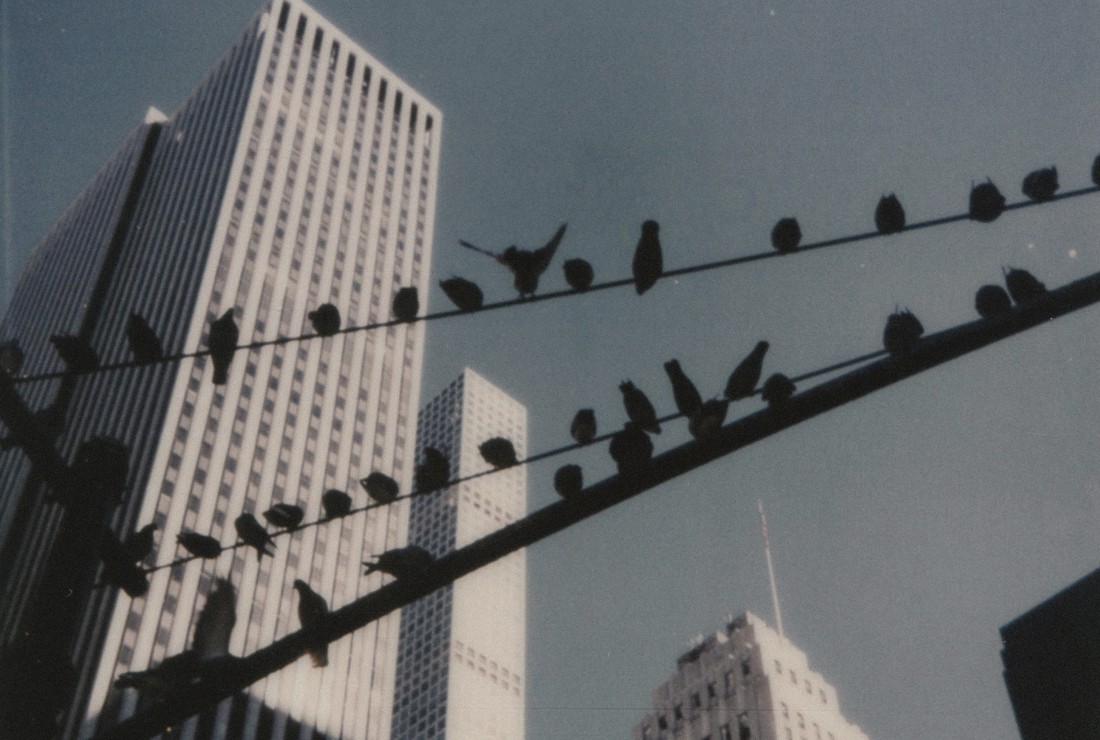
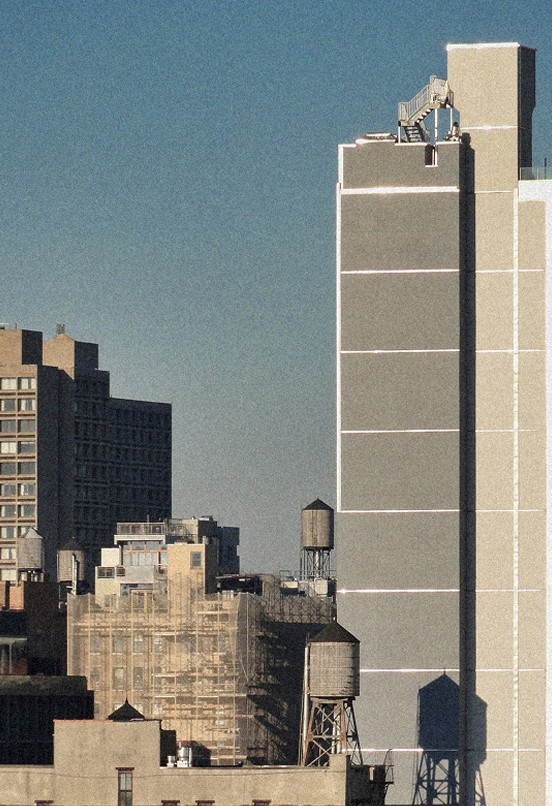
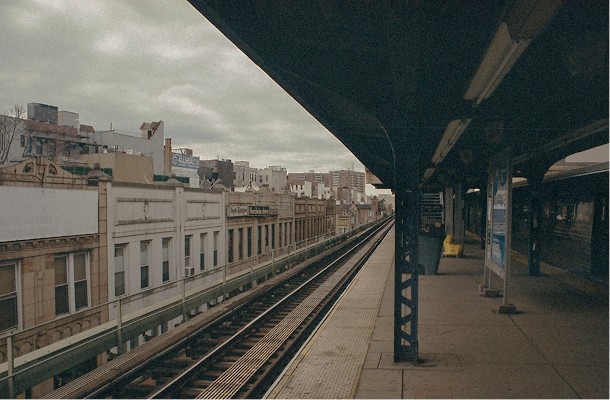
Brick buildings, old tenements, fire escapes and a far more heterogeneous urban fabric begin to appear. This is a less monumental, more spontaneous New York, where layers of history coexist with one of downtown’s most dynamic creative scenes.
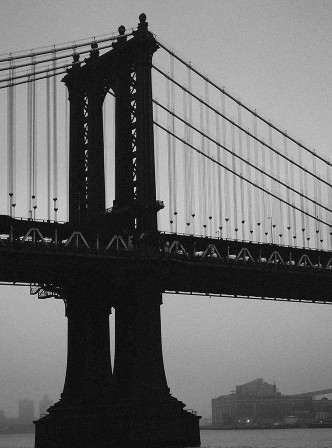
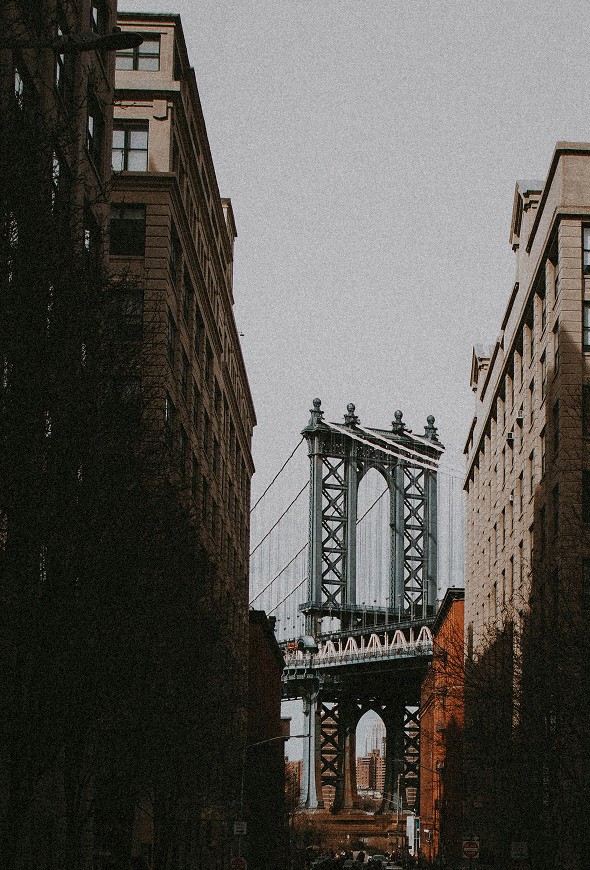
( 03 )Manhattan Bridge
To see
( 01 )Seward Park Library — a 1909 Carnegie library and one of the Lower East Side’s historic public buildings.
( 02 )Seward Park — one of the neighborhood’s historic green spaces.
( 03 )Manhattan Bridge — its approaches and perspectives visually connect Manhattan and Brooklyn.
( 04 )Essex Street — a place to observe the architecture and urban transformation of the Lower East Side.
( 05 )Sara D. Roosevelt Park — a long green corridor running through different layers of downtown.
NYCFW26
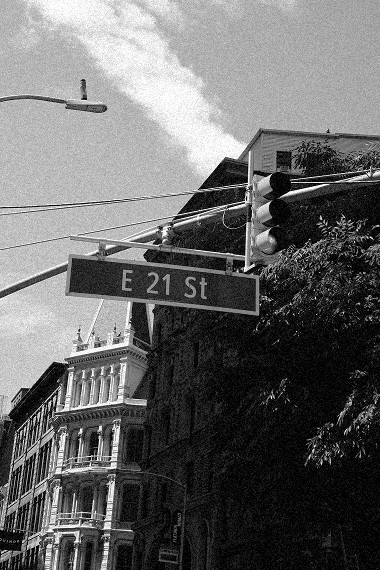
West
West Village — The Human Scale
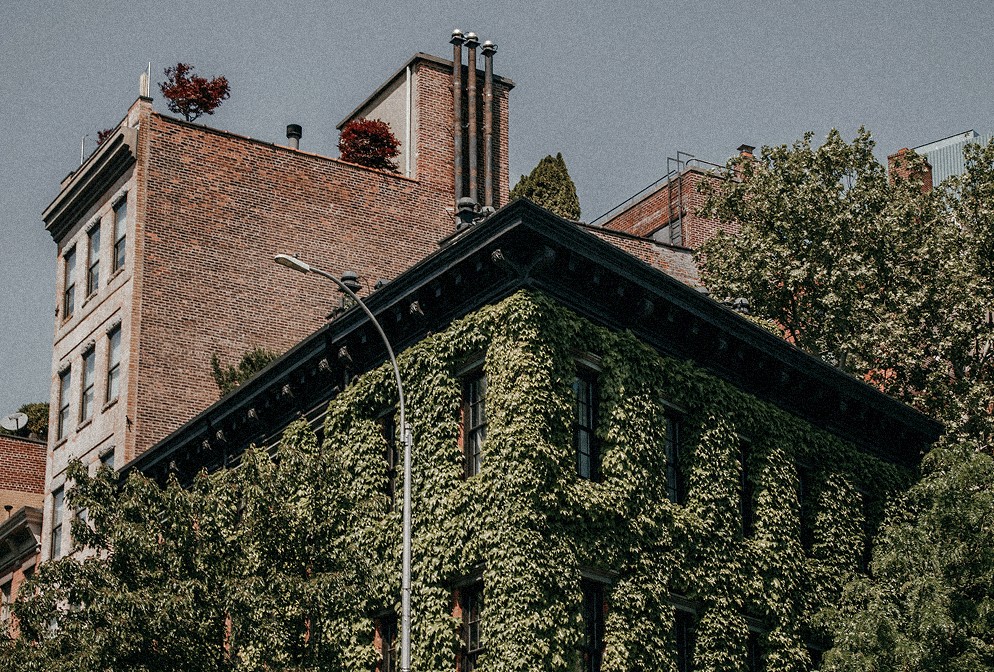
Heading west, an entirely different New York emerges.
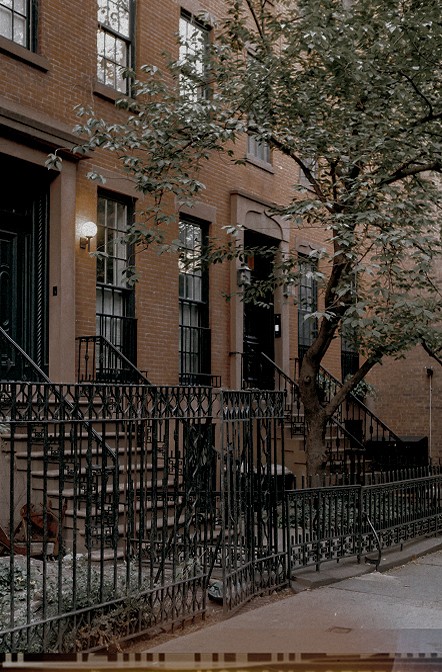
In the West Village, Manhattan seems to momentarily abandon its grid. Streets change direction, while trees, townhouses, brownstones and small squares appear. The scale becomes more domestic and the pace more relaxed.
Perhaps the best recommendation here is not to follow the map too closely: simply walk and let the architecture itself lead the way.
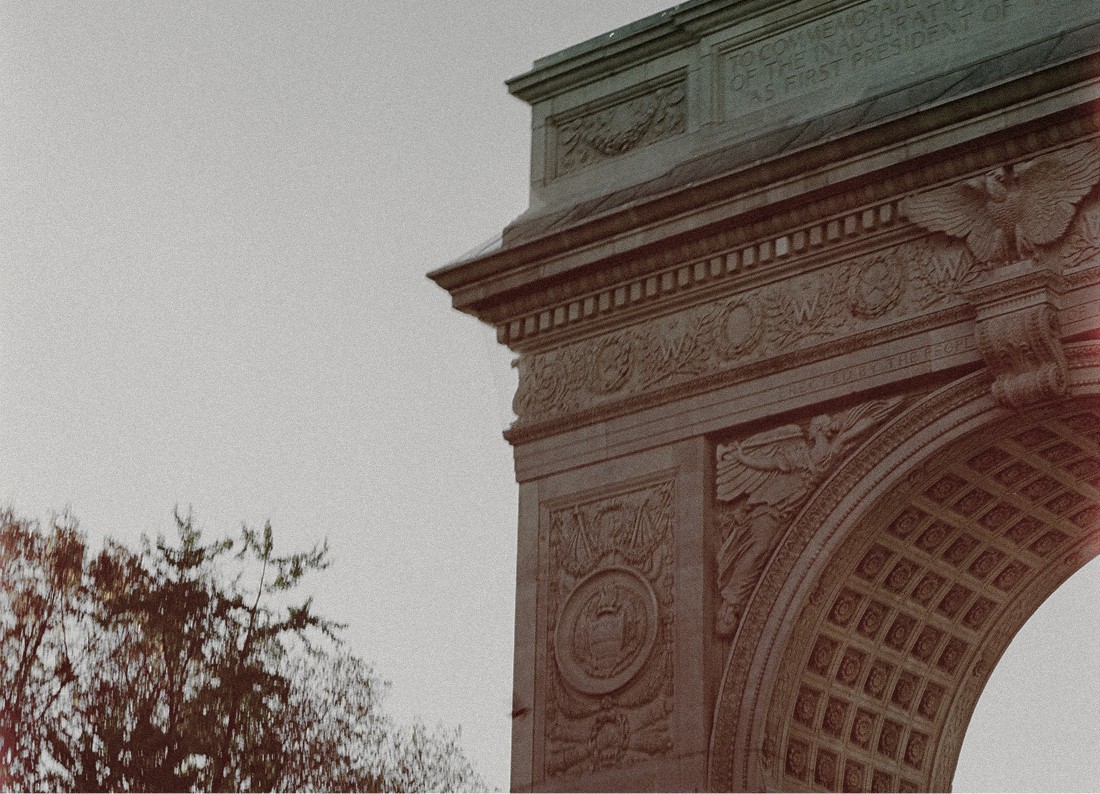
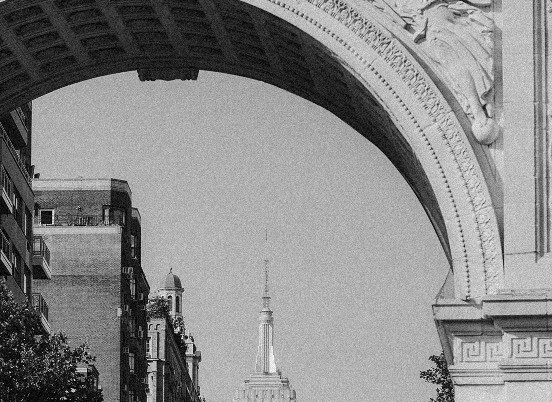
( 03 )Washington Square Arch
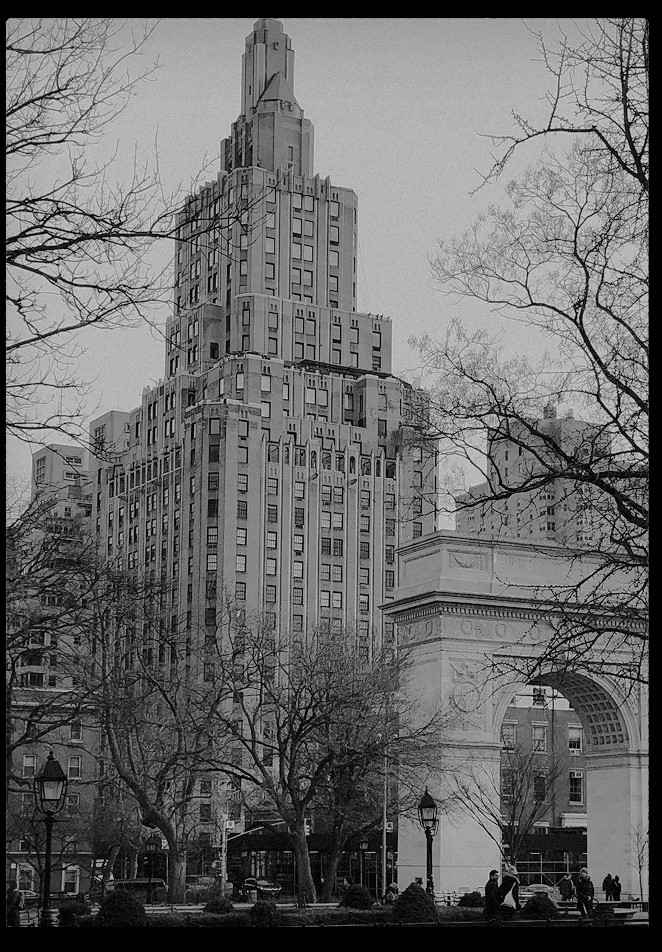
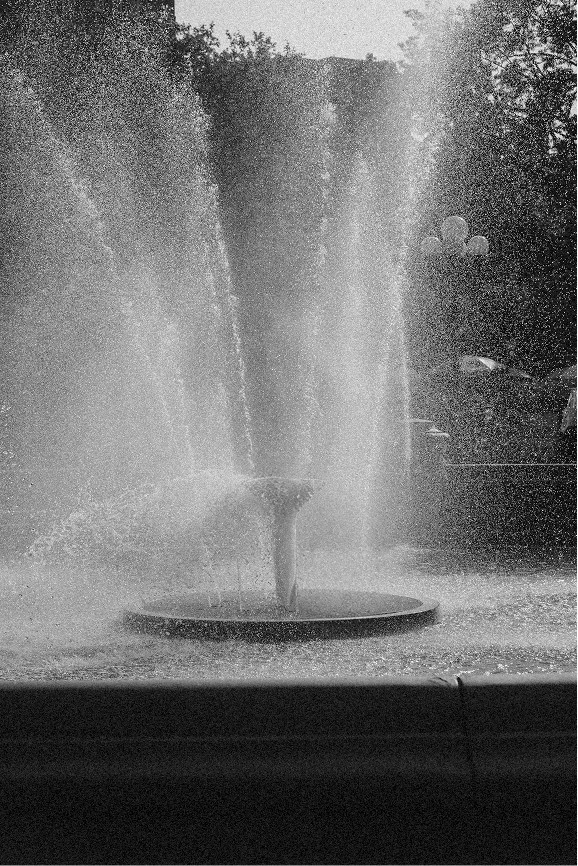
( 02 )Washington Square Park
NYCFW26
To see
( 01 )Jefferson Market Library — a former Victorian courthouse transformed into a library and one of the Village’s most distinctive buildings.
( 02 )Washington Square Park — one of downtown’s essential gathering places.
( 03 )Washington Square Arch — an architectural landmark framing the view towards Fifth Avenue.
( 04 )Gay Street — one of the small streets that best captures the scale of the Village.
( 05 )Christopher Park — a small green space surrounded by the neighborhood’s historic architecture.
NYCFW26
Follow
the Hudson North
Chelsea & Meatpacking — The Reinvention of the City
As we approach the Hudson, the urban landscape transforms once again.
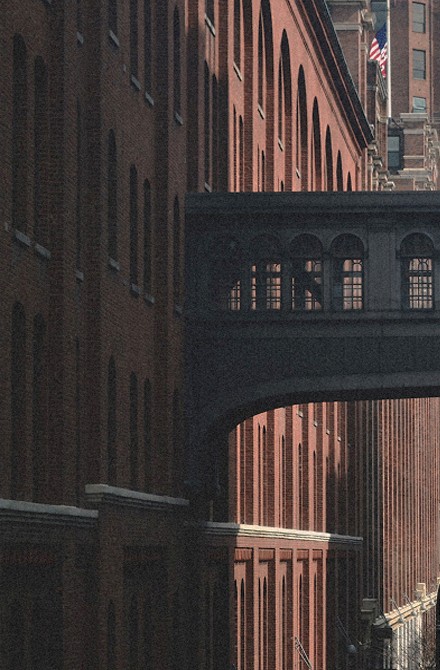
Chelsea and the Meatpacking District retain traces of their industrial past, but today those buildings coexist with contemporary architecture, art and some of the public-space projects that have redefined this part of Manhattan.
From here, The High Line offers a different way to continue north: a former railway transformed into a park, providing an elevated perspective on façades, vegetation and new architecture.
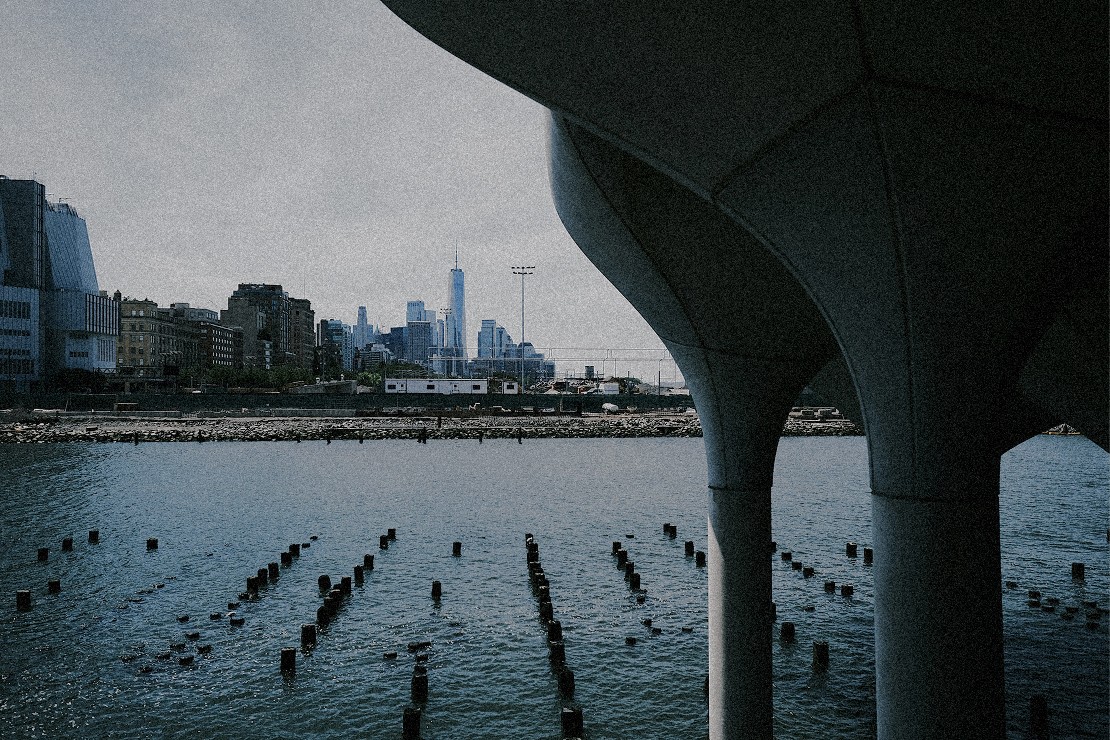
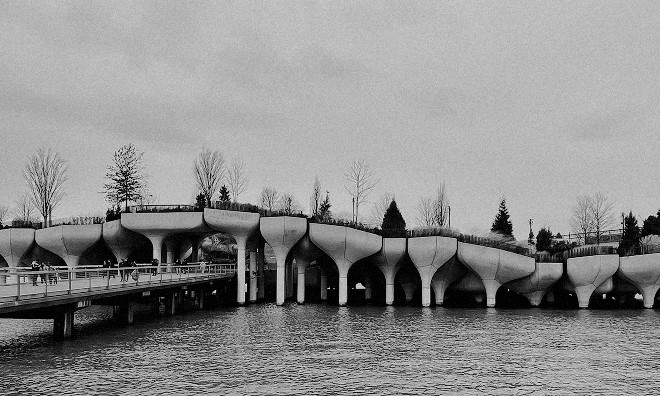
( 02 )Little Island
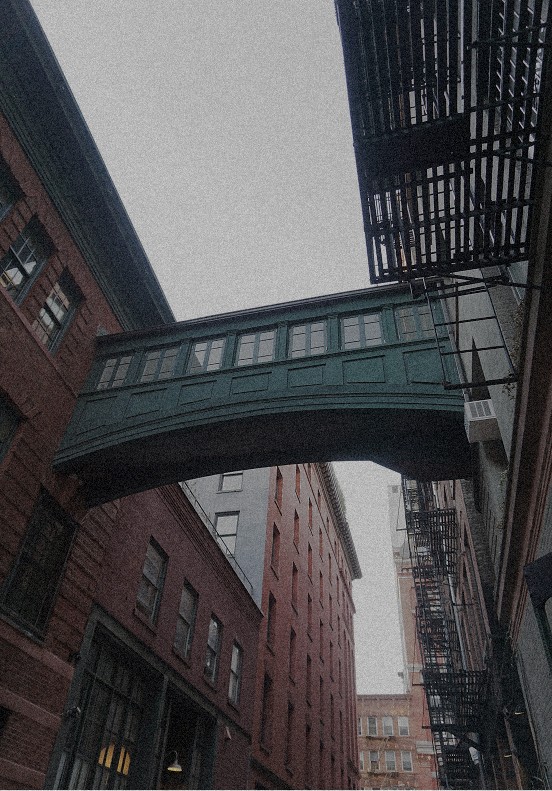
( 03 )Chelsea Market
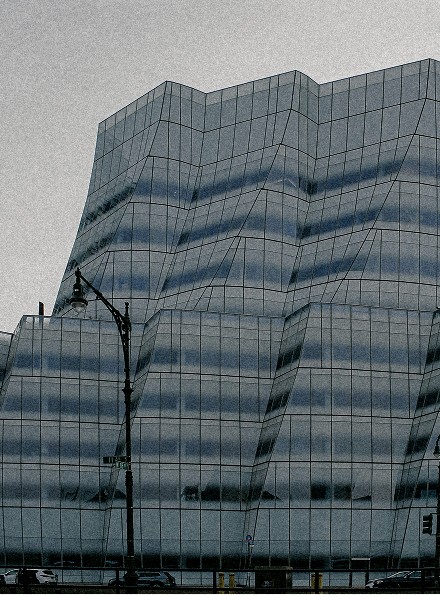
( 04 )IAC Building
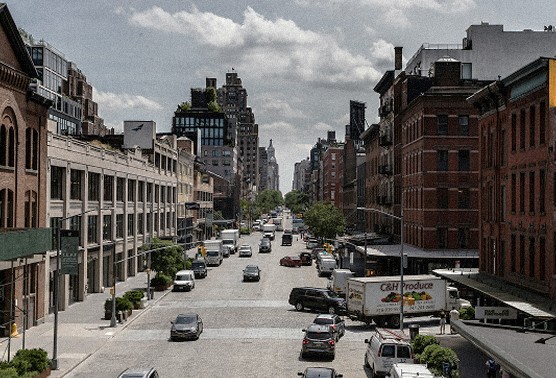
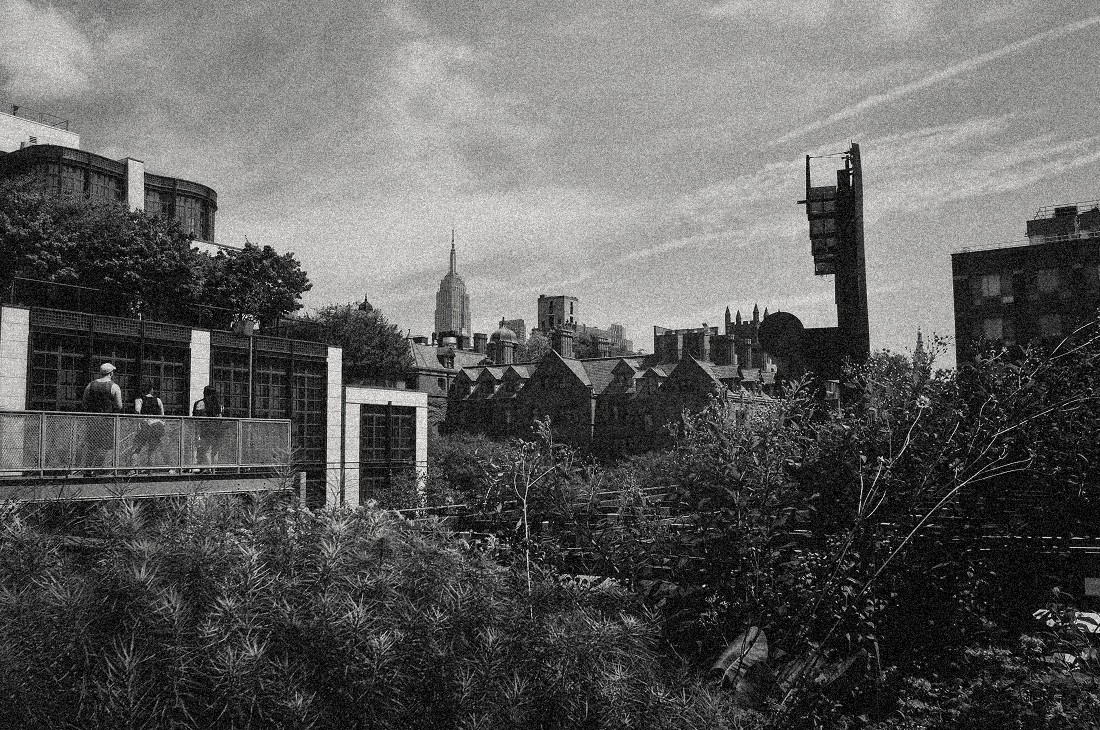
( 01 )High Line
To see
( 01 )The High Line — former railway infrastructure transformed into an elevated park.
( 02 )Little Island — landscape, architecture and public space above the Hudson.
( 03 )Chelsea Market Building — former industrial architecture from the Nabisco complex.
( 04 )IAC Building — Frank Gehry’s architecture beside the Hudson.
( 05 )Pier 57 — an industrial structure reimagined as a new urban space on the waterfront.
NYCFW26
Back into the Grid
Flatiron & NoMad —
Architecture in Layers
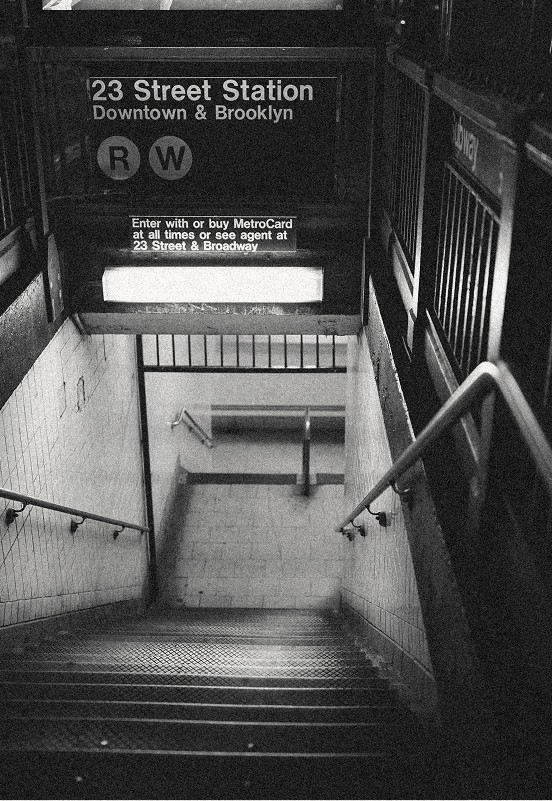
Leaving the Hudson behind, Flatiron and NoMad turn our gaze back towards the heart of Manhattan.
Here, historic architecture coexists with an identity increasingly connected to design and contemporary creativity.
Broadway cuts across the grid, creating unexpected perspectives. The city regains a sense of scale and monumentality, while remaining a place designed to be discovered on foot.

NYCFW26
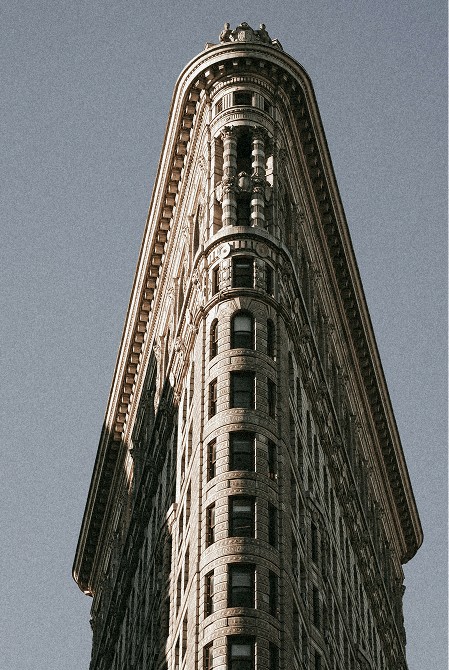
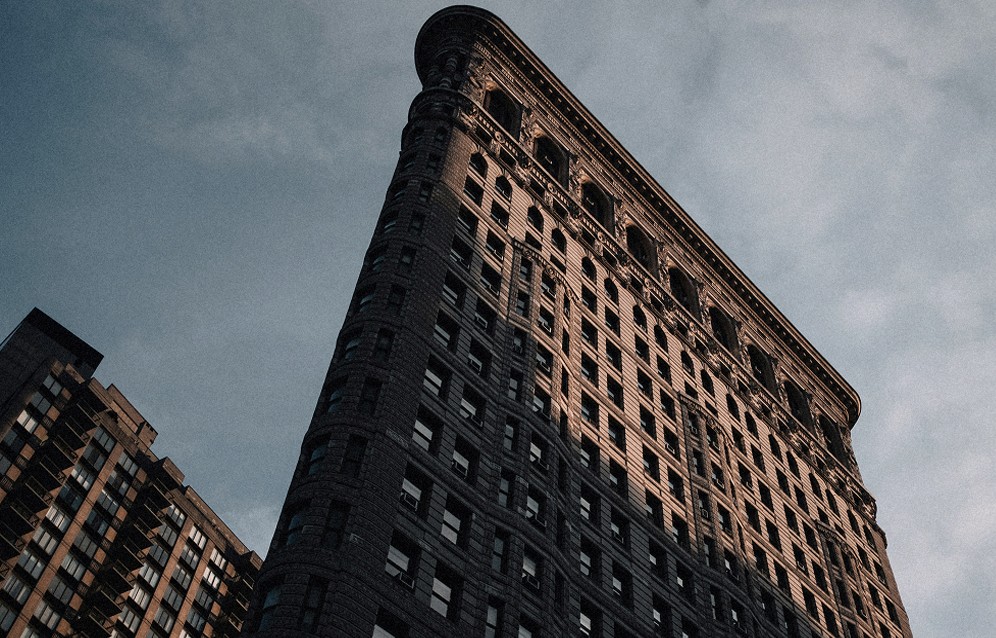
( 01 )Flatiron Building
To see
( 01 )Flatiron Building — one of Manhattan’s great architectural icons.
( 02 )Madison Square Park — landscape and public space at the heart of the district.
( 03 )Metropolitan Life Insurance Tower — one of the historic landmarks of the Madison Square skyline.
( 04 )Appellate Division Courthouse — Beaux-Arts architecture facing Madison Square.
( 05 )Broadway — particularly compelling where it meets Fifth Avenue diagonally and intersects with Manhattan’s grid.
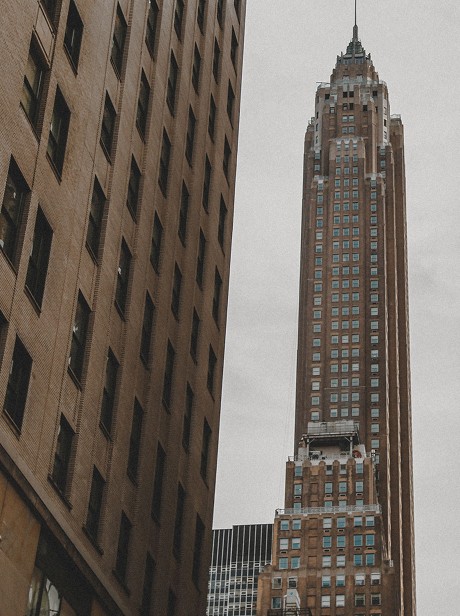
( 03 )Metropolitan Life Insurance Tower
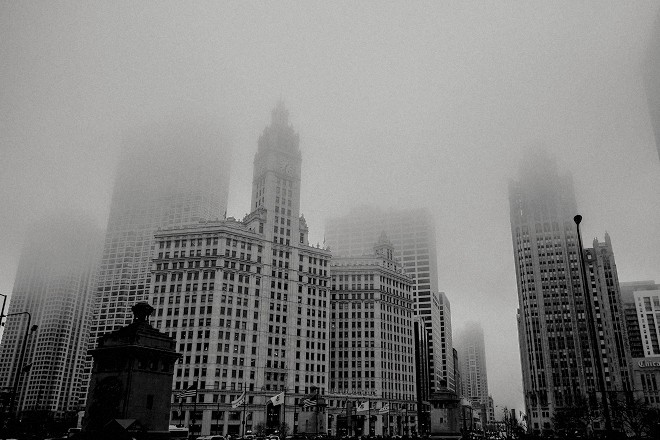
NYCFW26
End in Green
Central Park — A Pause in the Grid
After iron, brick, stone, glass and asphalt, Central Park introduces trees, rock, water and expansive open space within Manhattan’s strict grid.
The skyline remains visible between the trees, but for a few hours it ceases to be the protagonist.
One final way of seeing New York: through landscape, silence and distance.
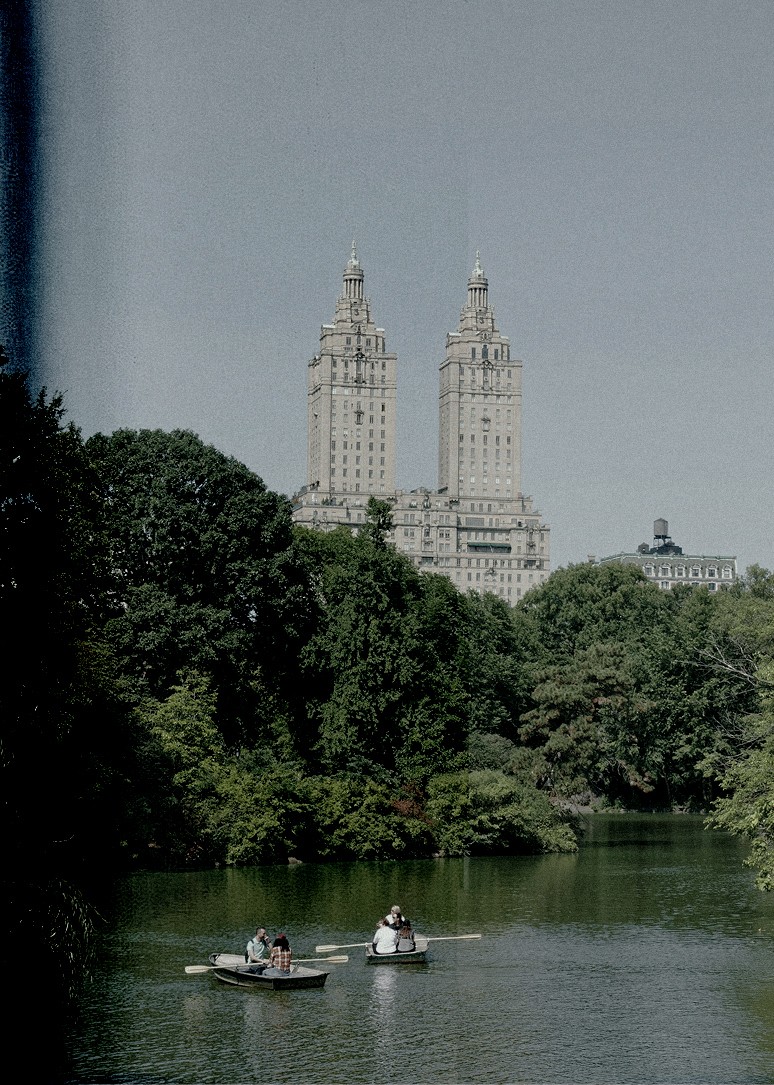
( 04 )The Lake
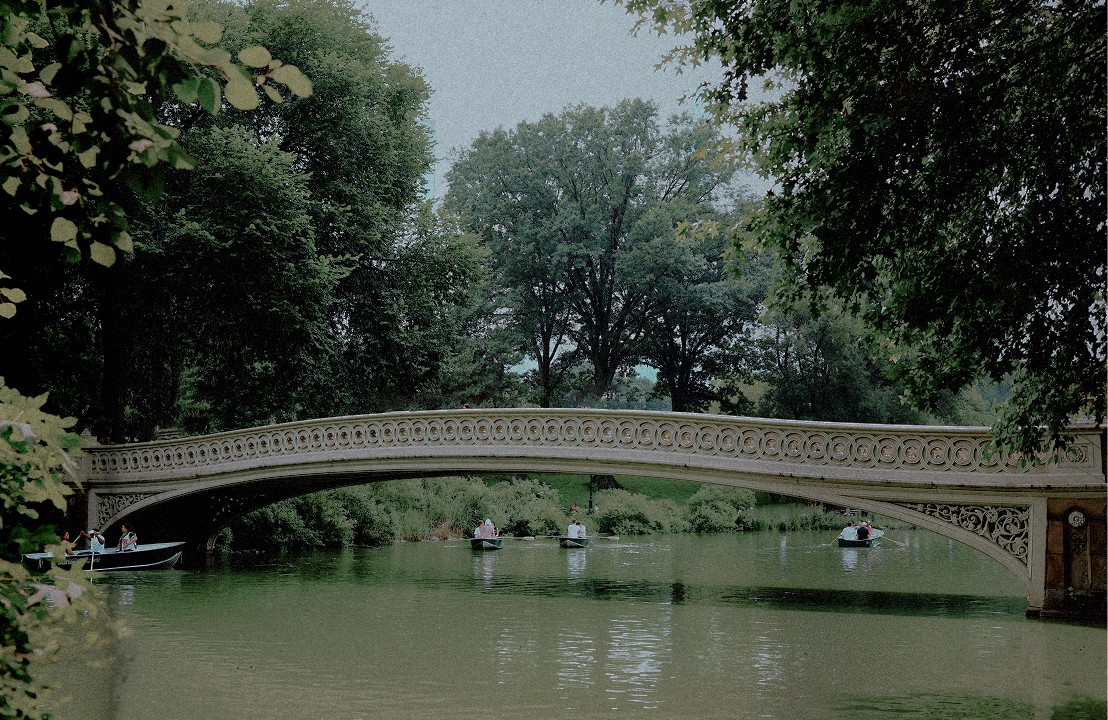
( 05 )Bow Bridge
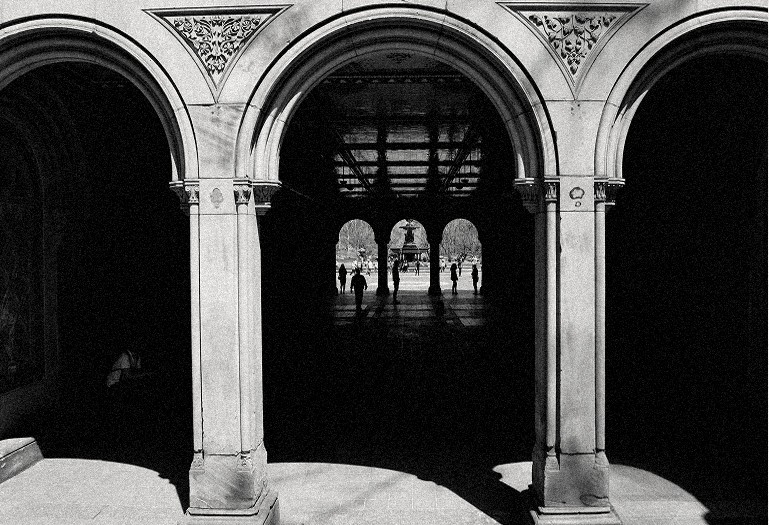
( 02 )Bethesda Terrace & Arcade
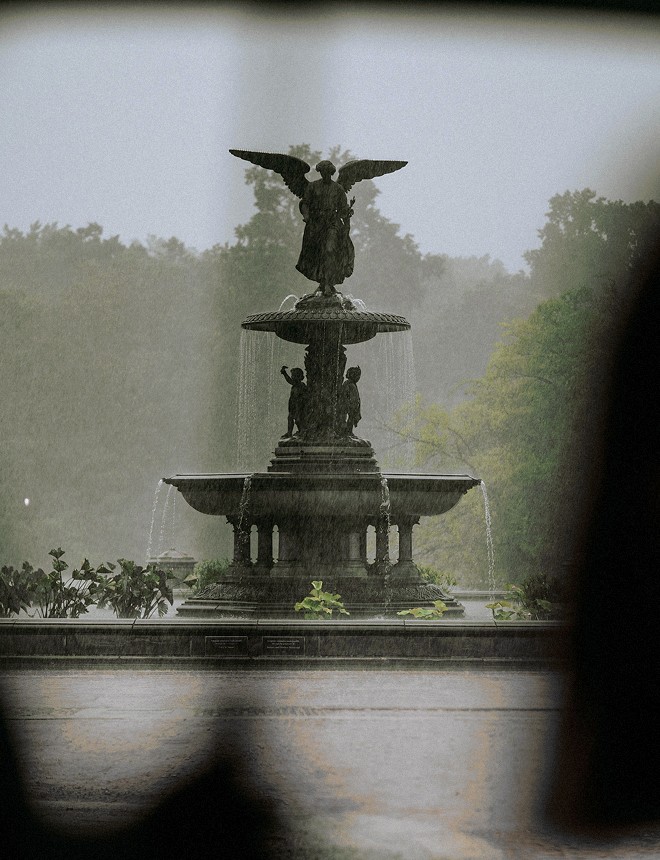
( 03 )Bethesda Fountain
To see
( 01 )The Mall — one of the park’s most emblematic landscape perspectives.
( 02 )Bethesda Terrace & Arcade — architecture and ornamentation in one of Central Park’s essential design landmarks.
( 03 )Bethesda Fountain — a visual icon at the heart of the park.
( 04 )The Lake — landscape, water and views towards the architecture framing Central Park.
( 05 )Bow Bridge — one of the landscape’s most recognizable structures.
( 06 )Sheep Meadow — an expansive lawn with the Manhattan skyline as its backdrop.