Paris Documentary – Fashion Week
Paris changes pace during Fashion Week. Between appointments and shows, heritage, historic galleries and residential architecture connect with a new art scene moving east.
The Look
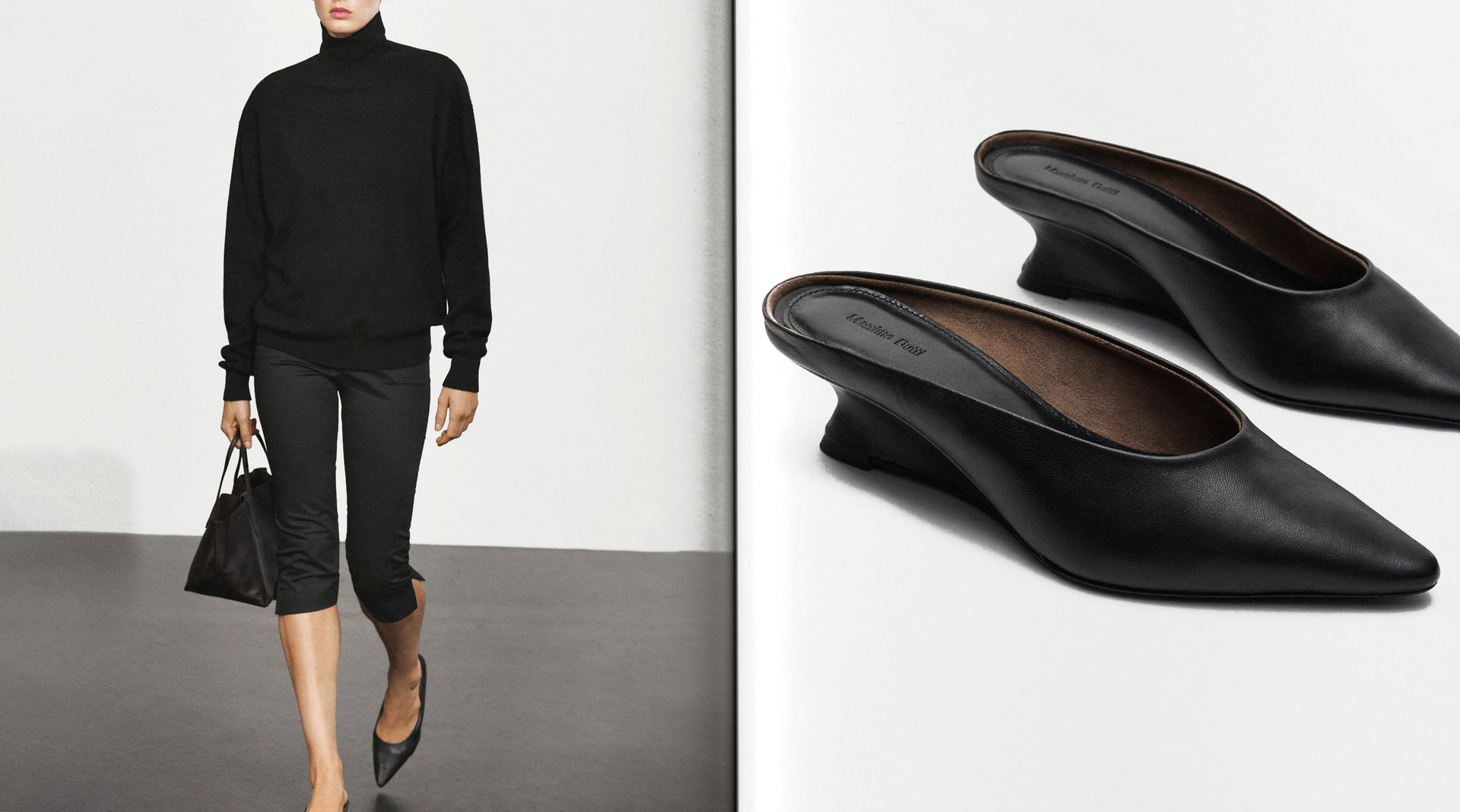
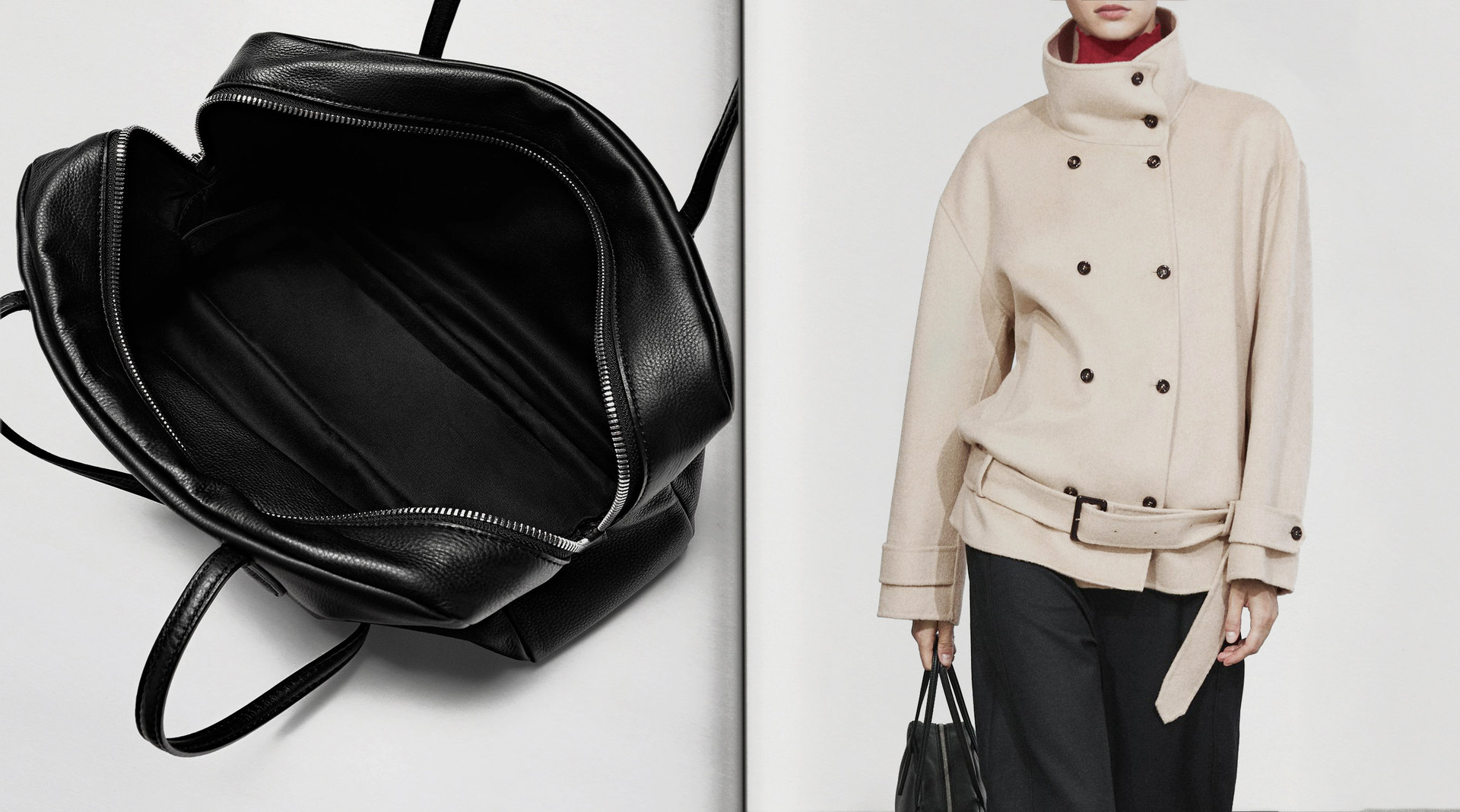
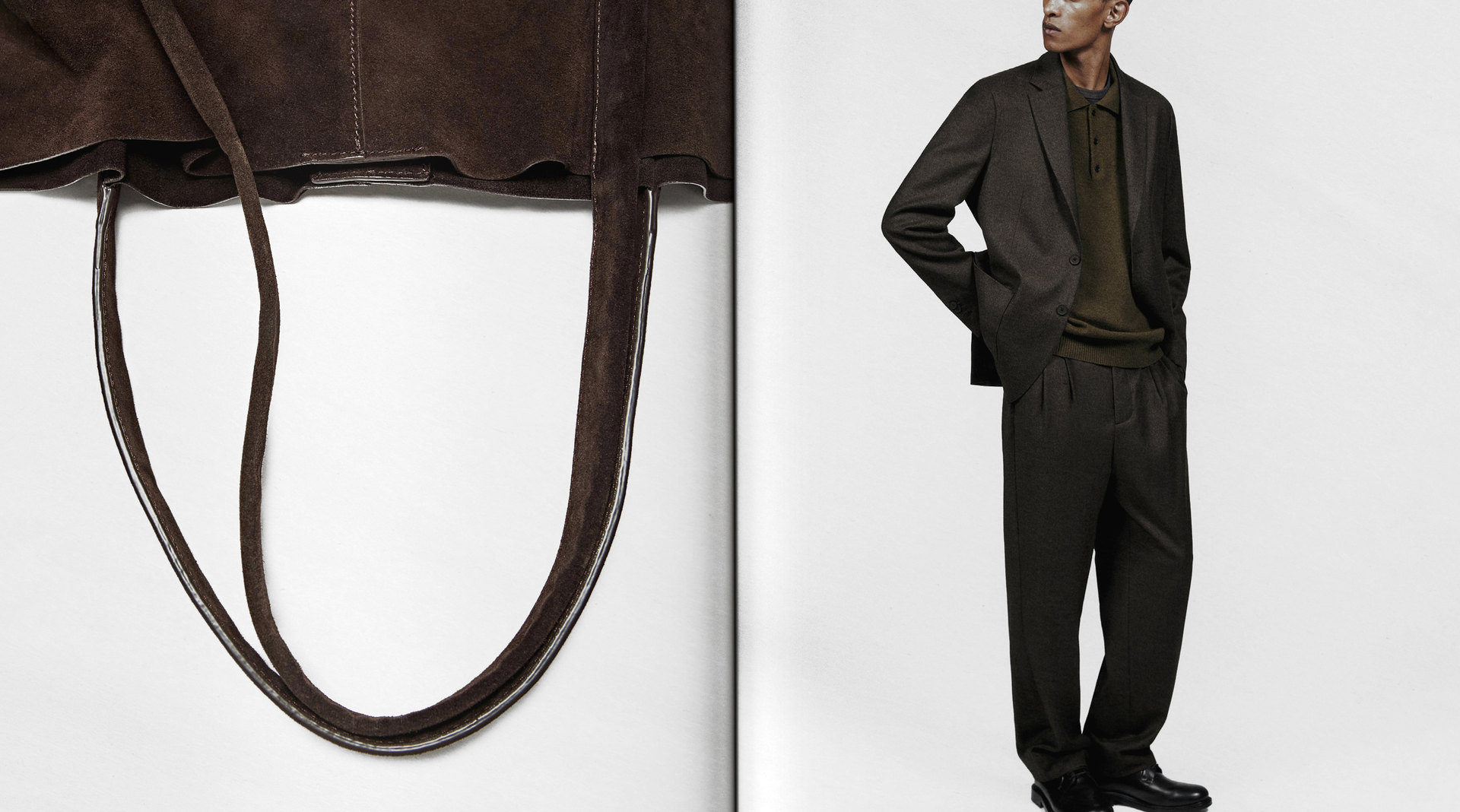
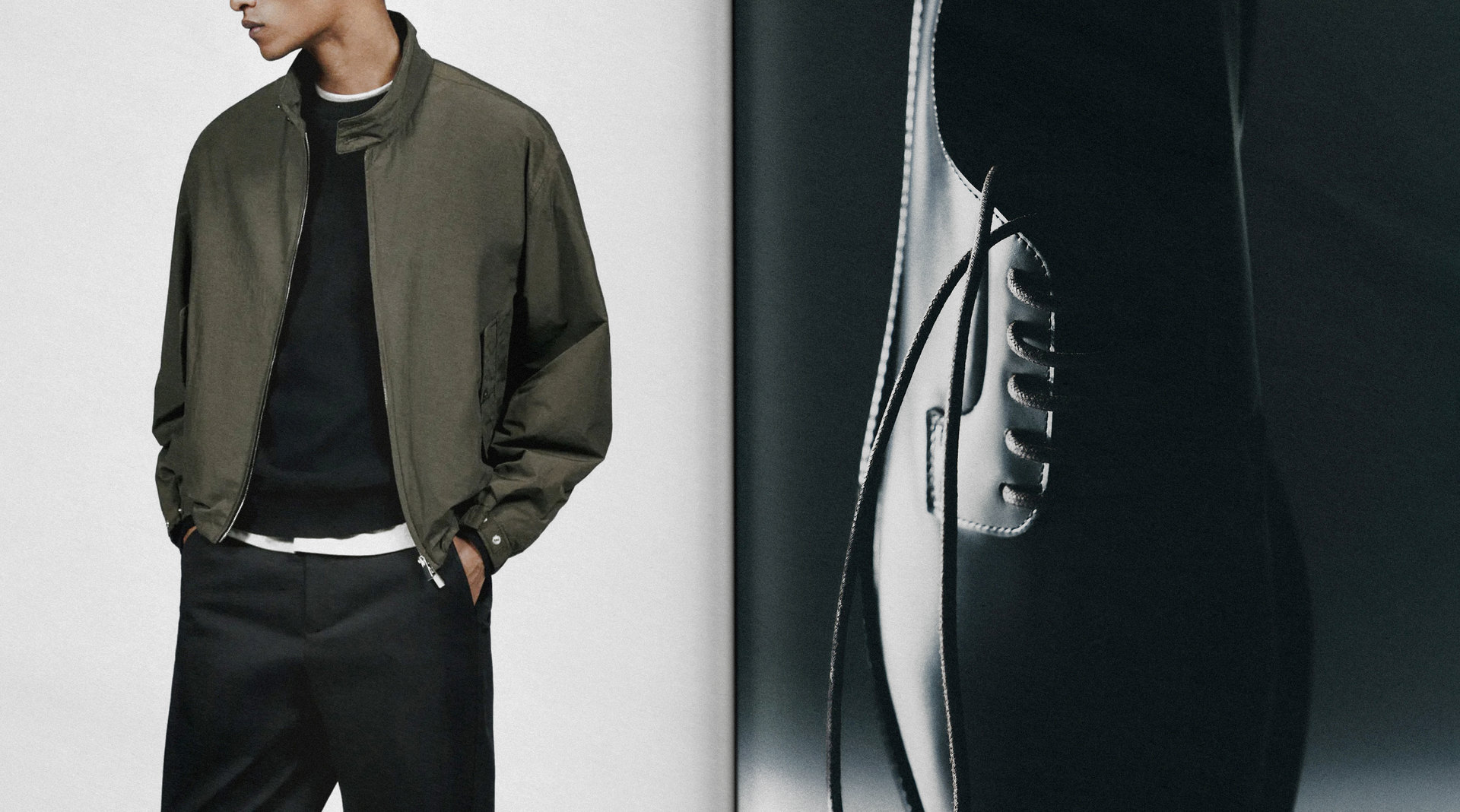
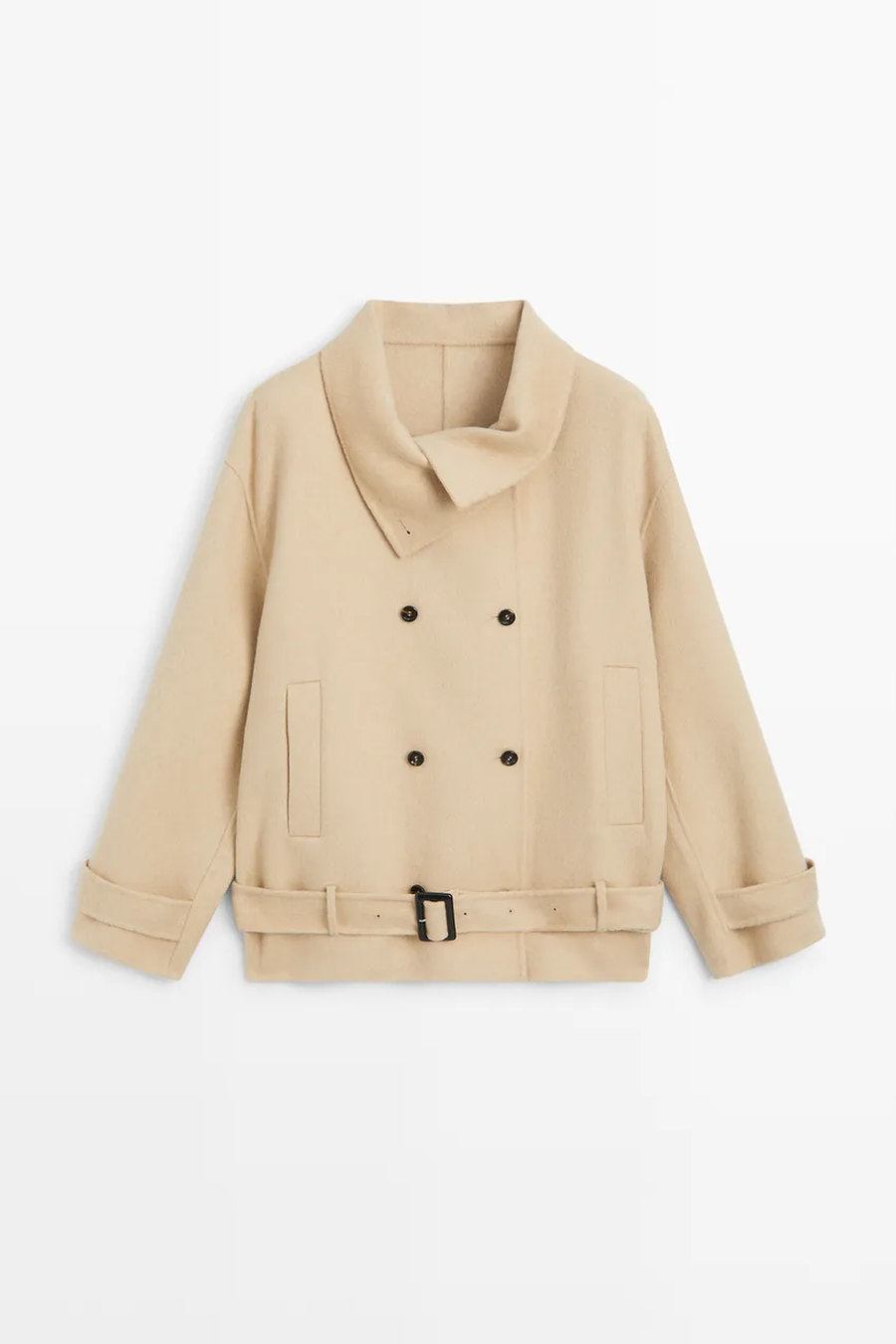
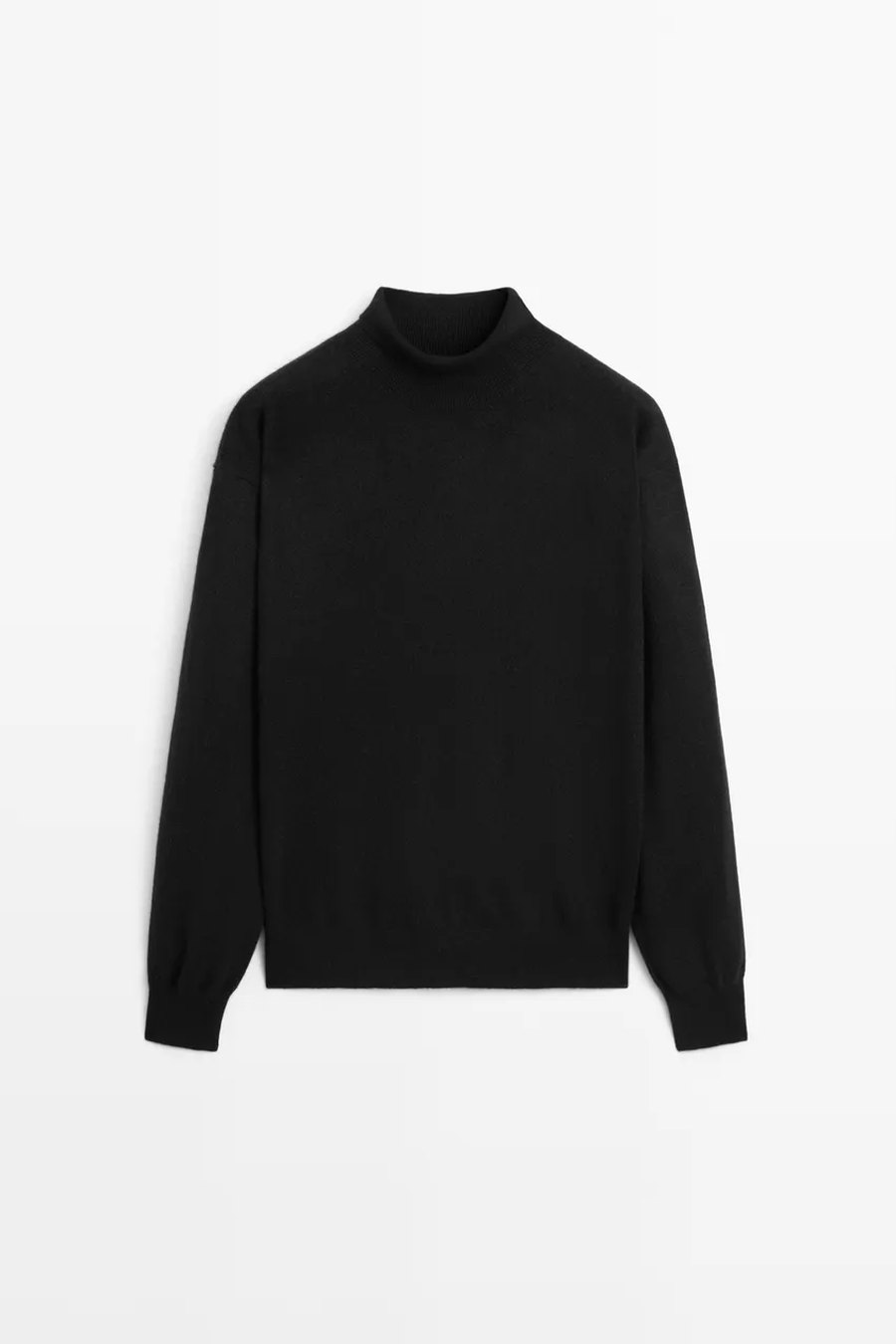
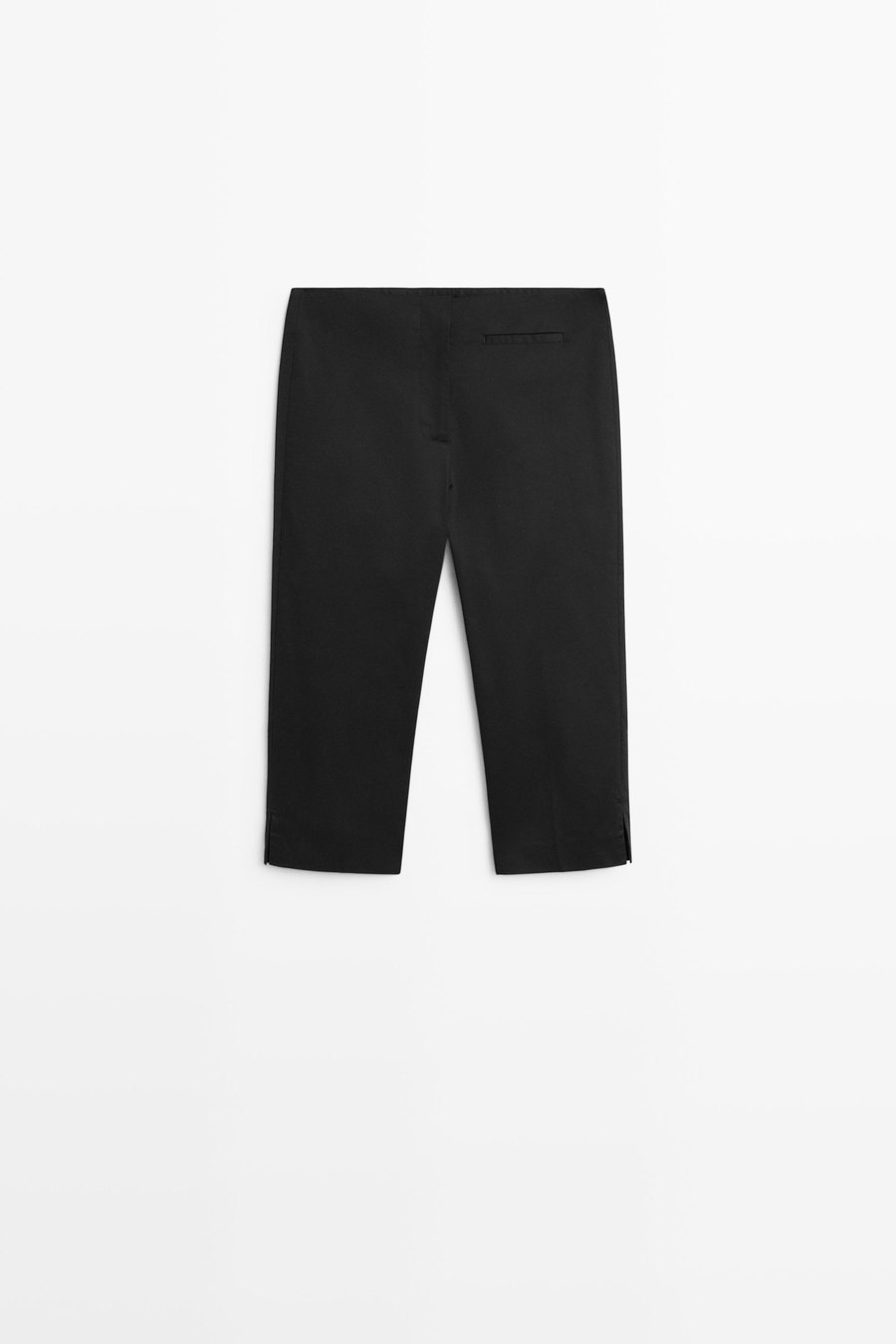
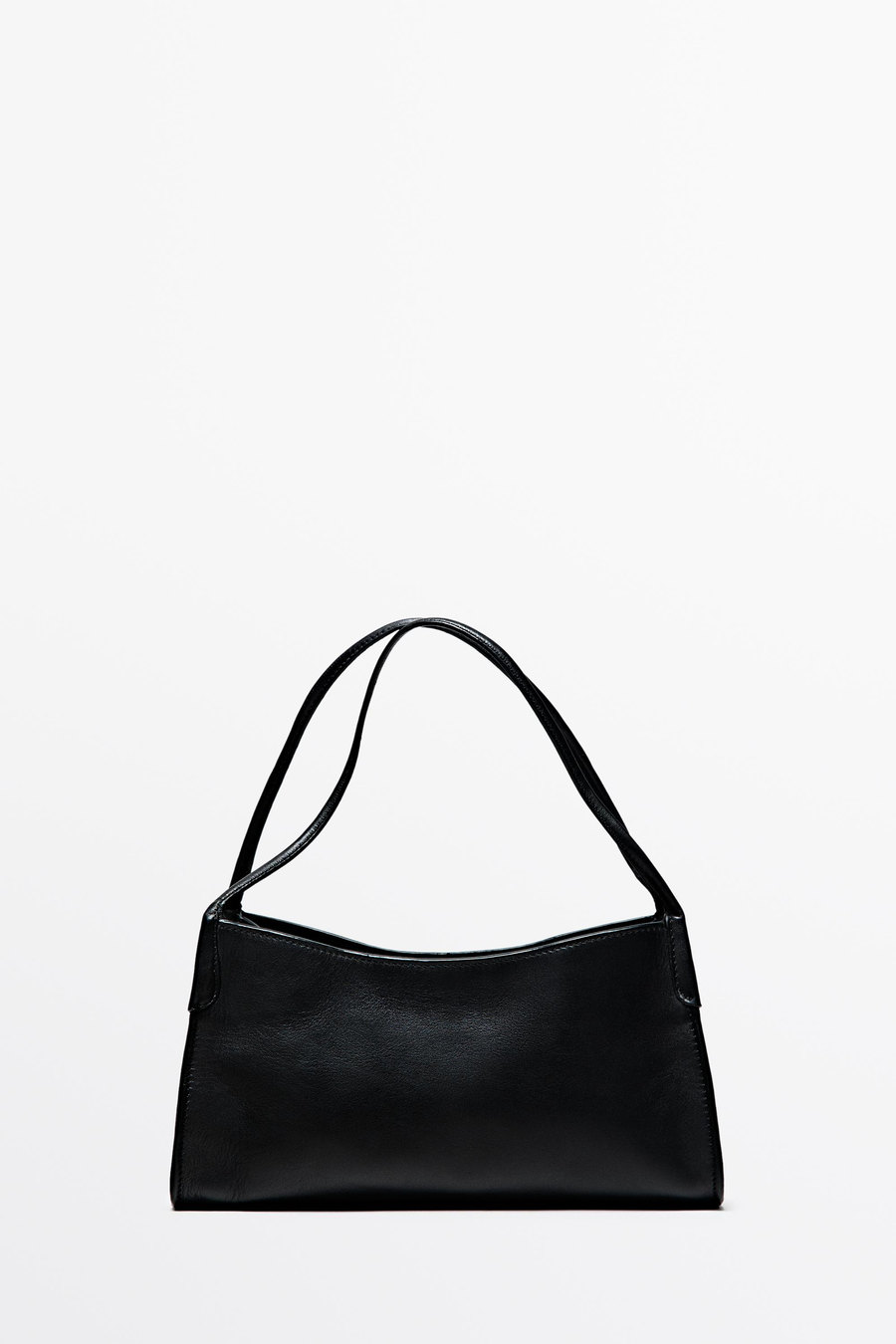
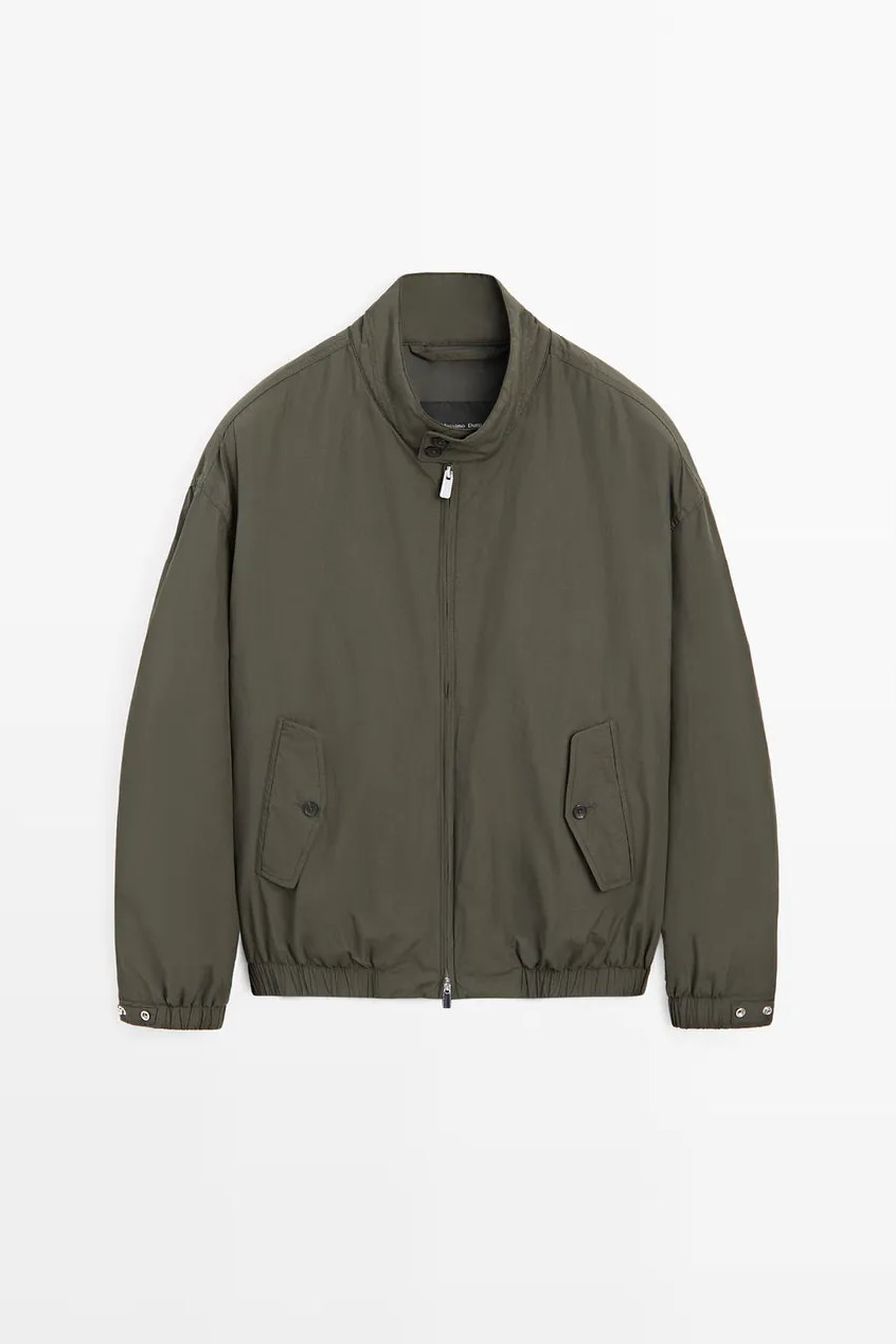
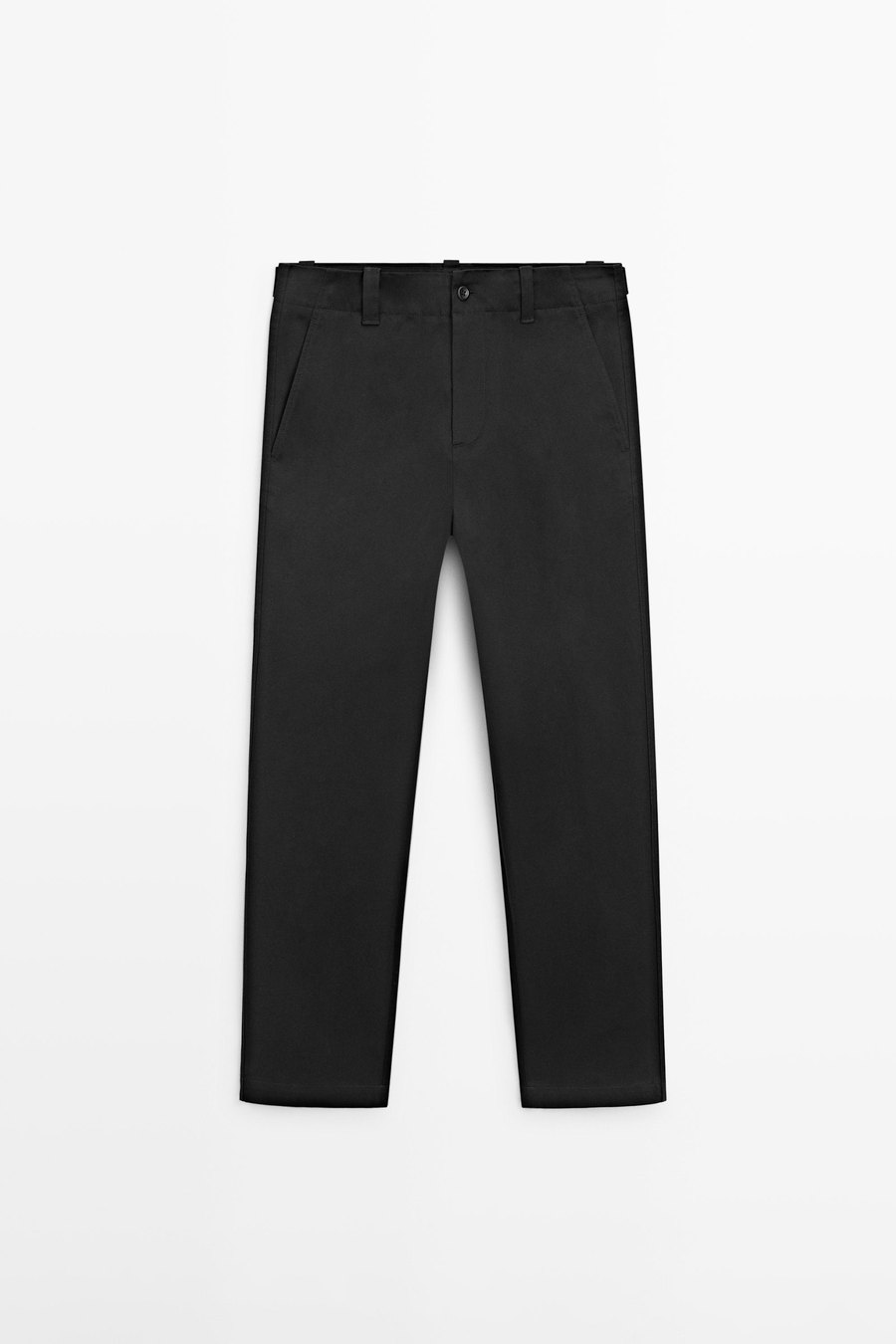
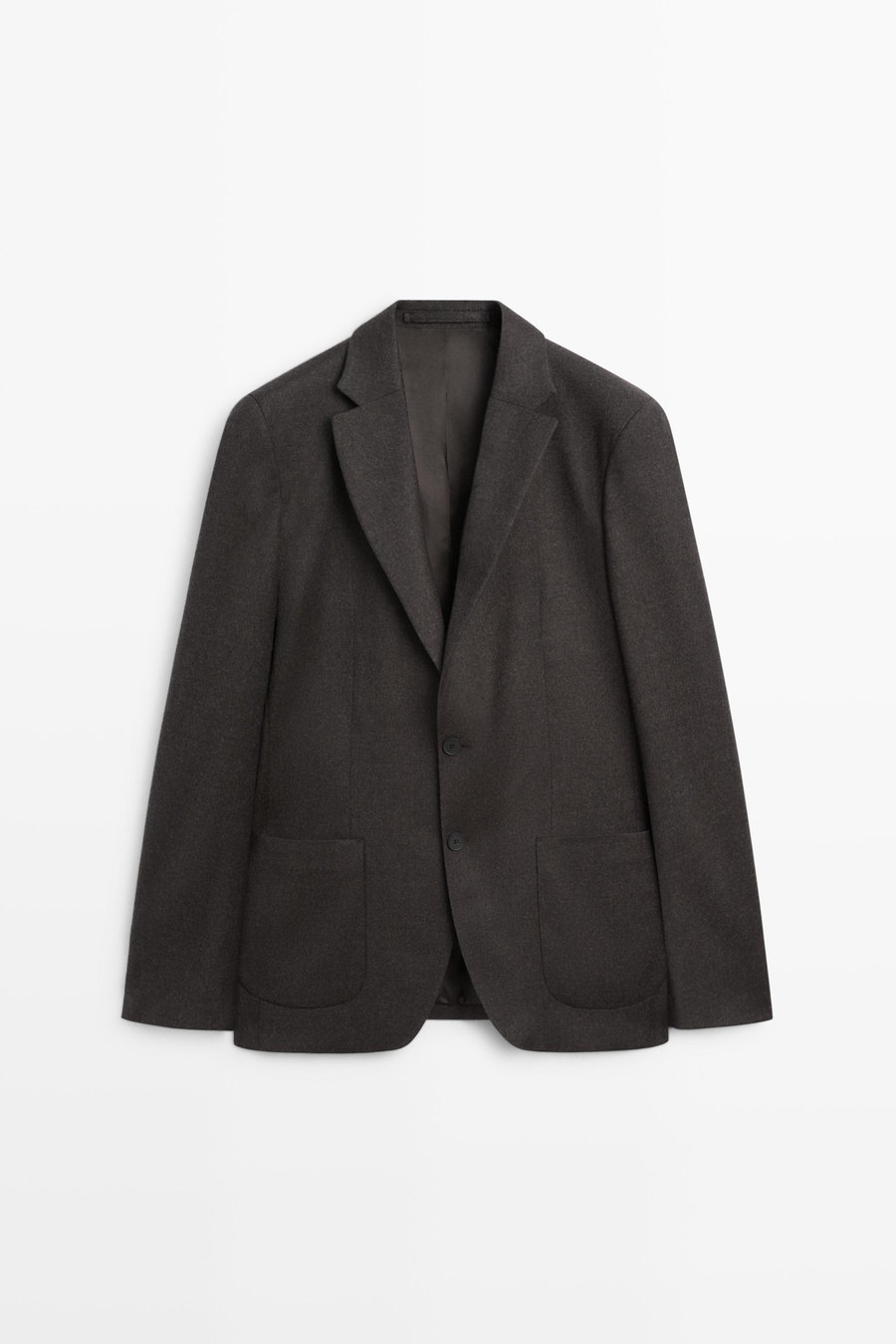
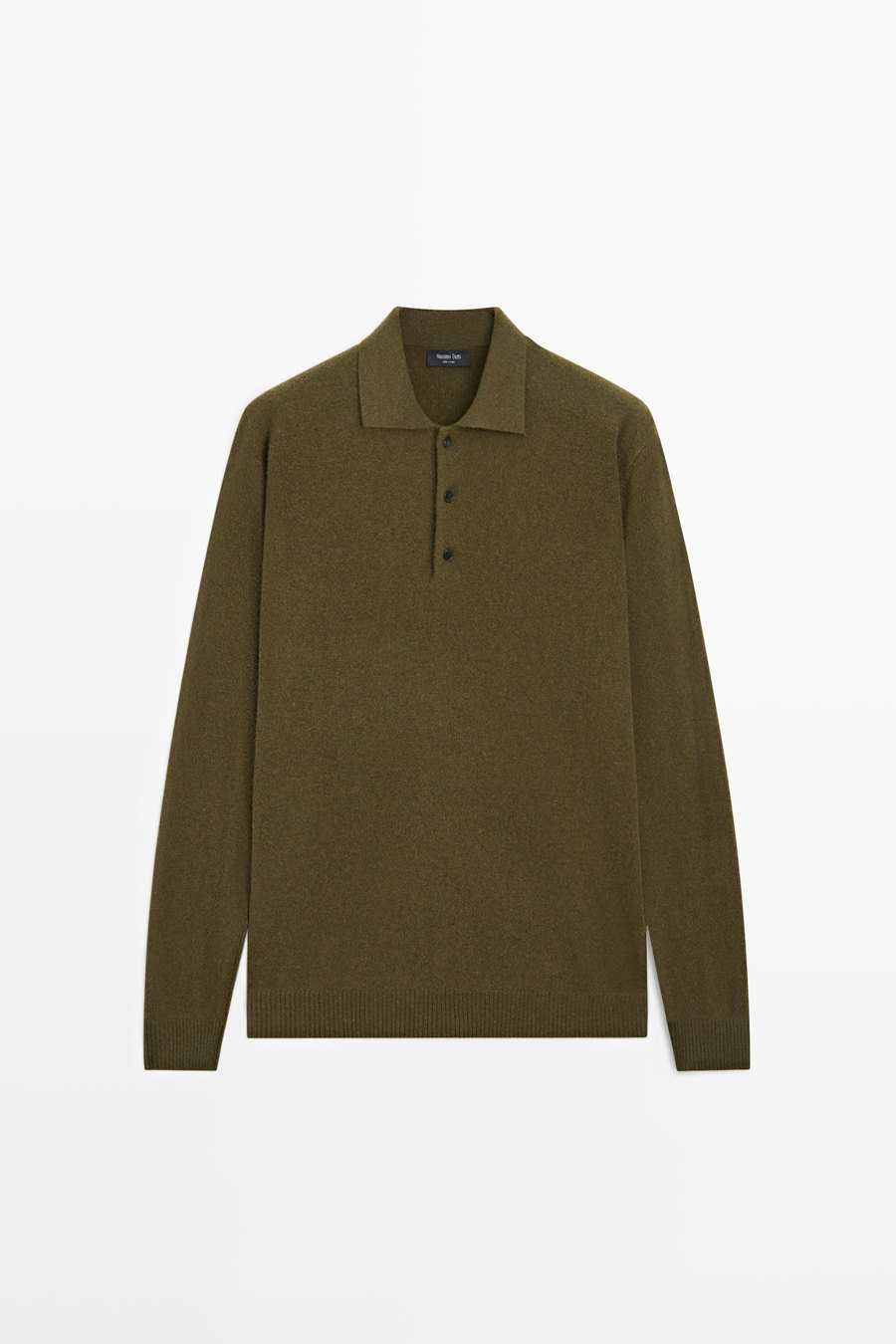
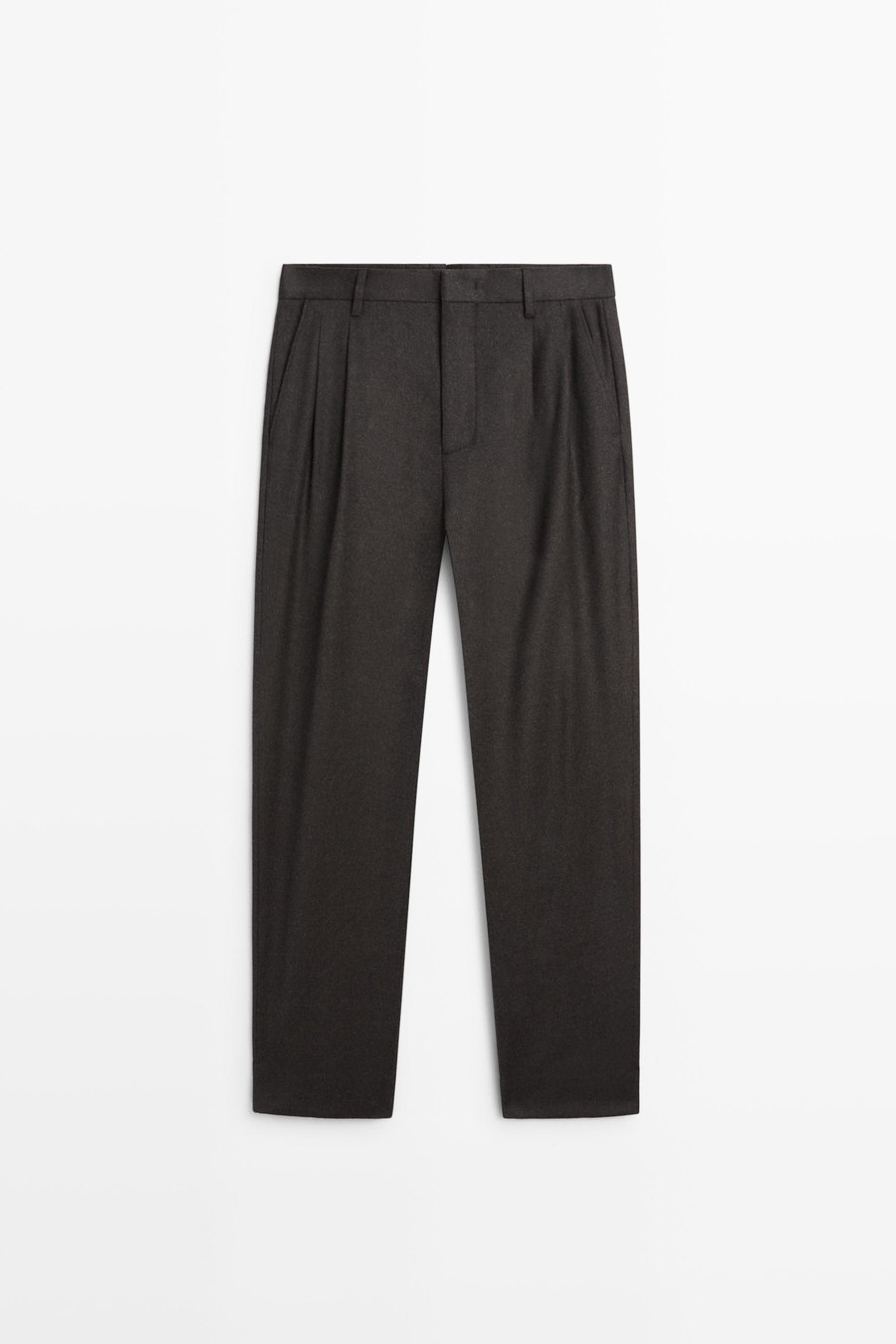
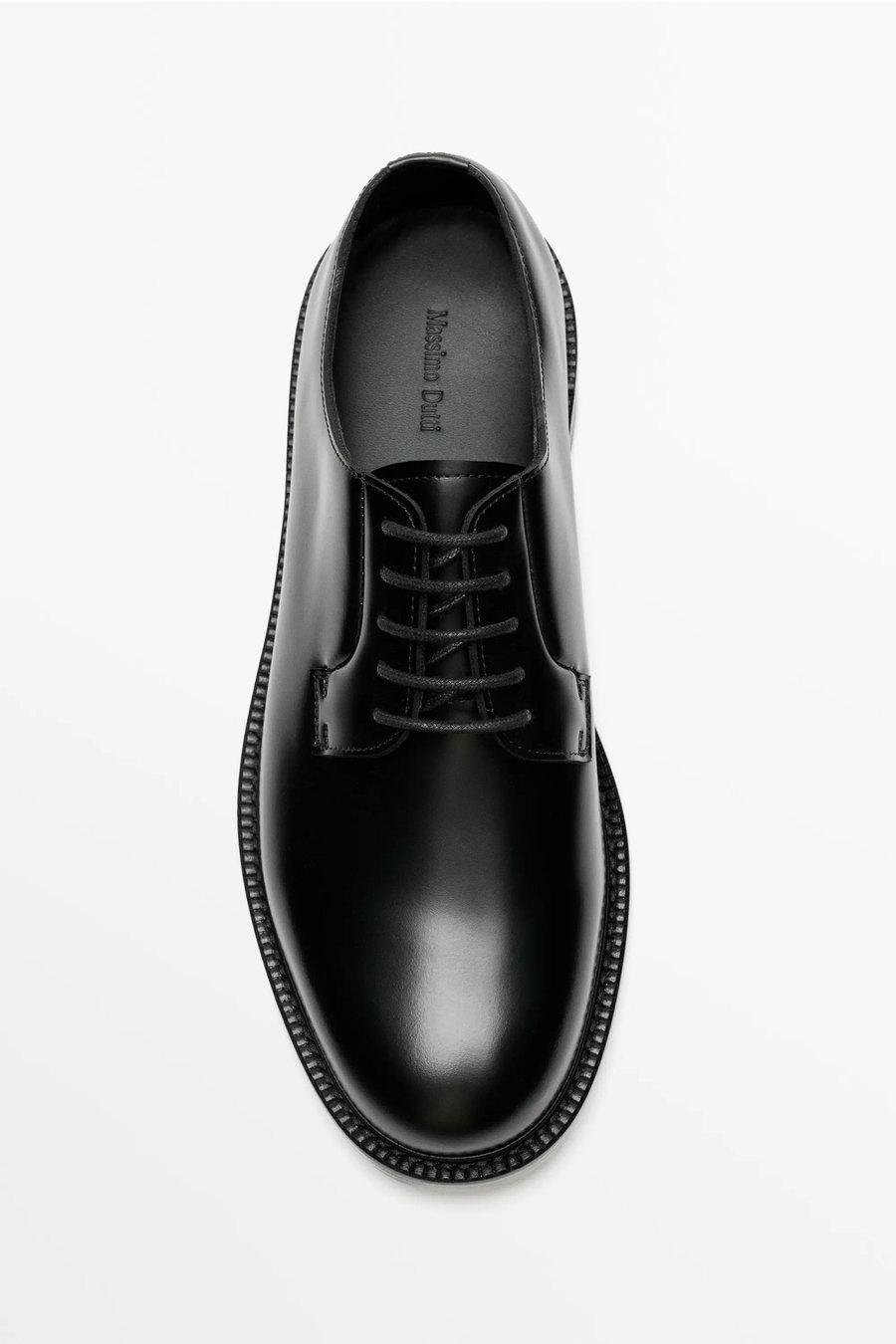
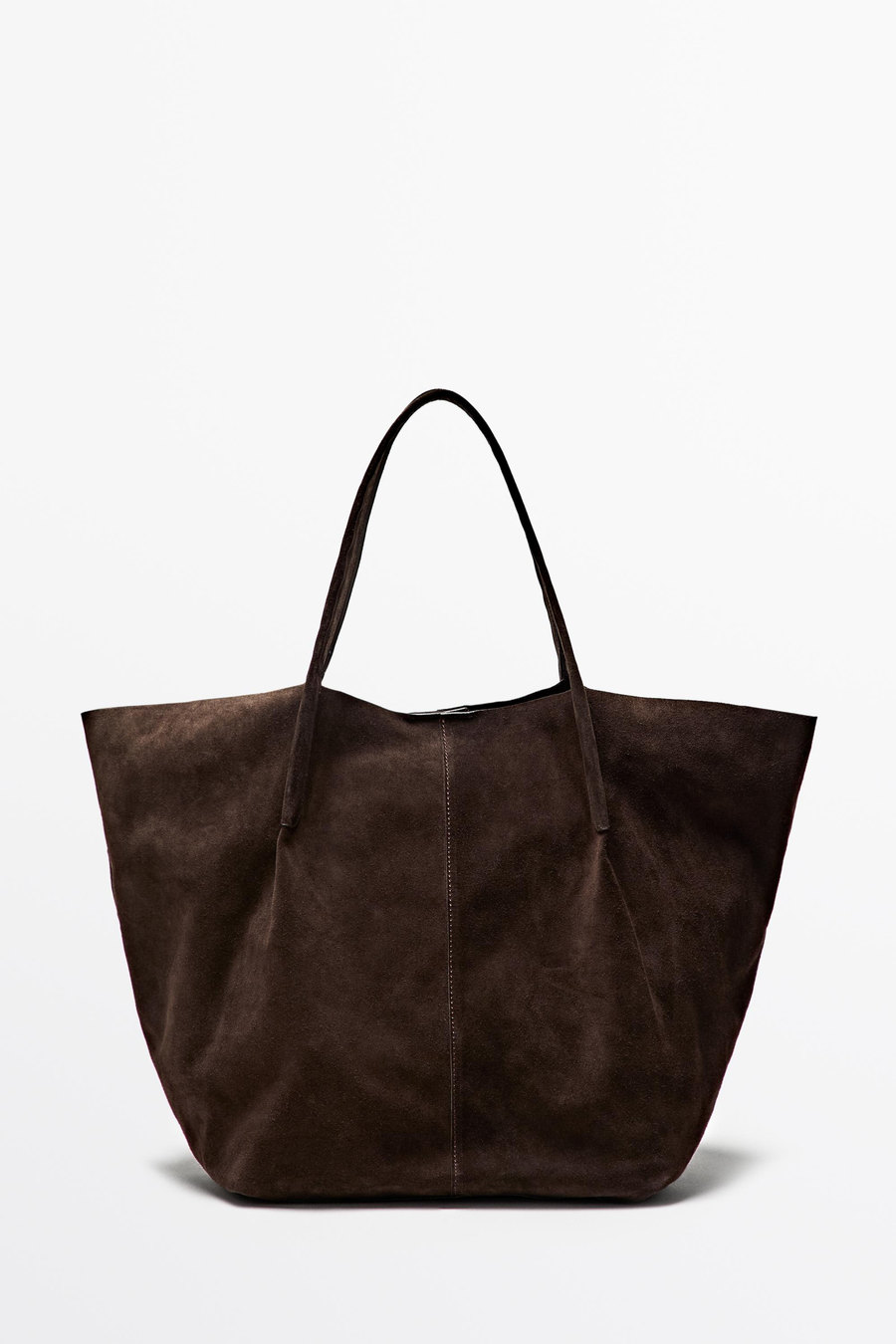
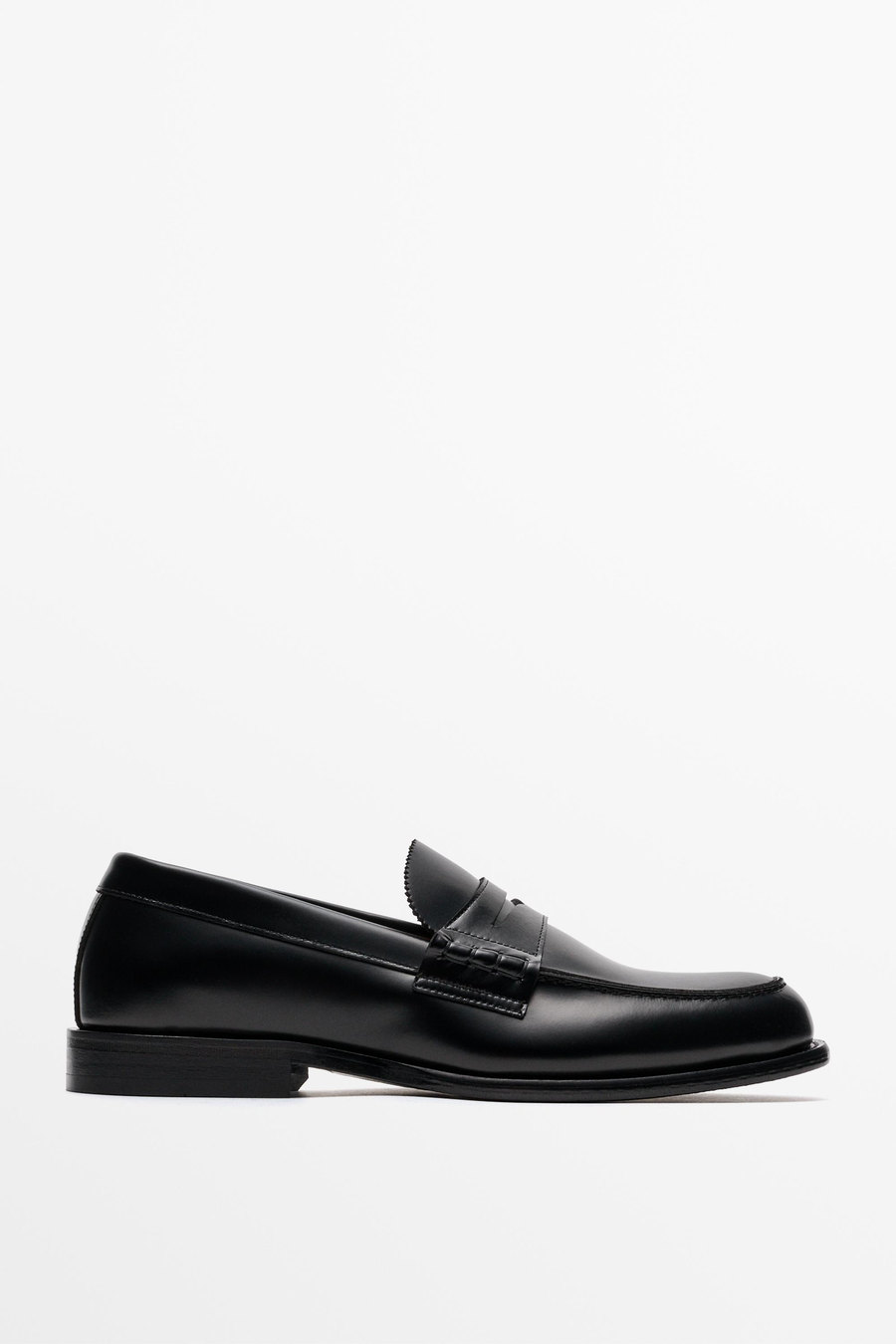
What to wear to Paris Fashion Week

A Fashion Week City Guide
byMassimo Dutti Paper
During Fashion Week, Paris reveals itself from fresh perspectives: five territories where fashion, architecture, art and everyday life offer new ways to experience and explore a city that continues to reinvent its iconic status.
( 1 )
The Parisian Classic
Le Marais — Art & History
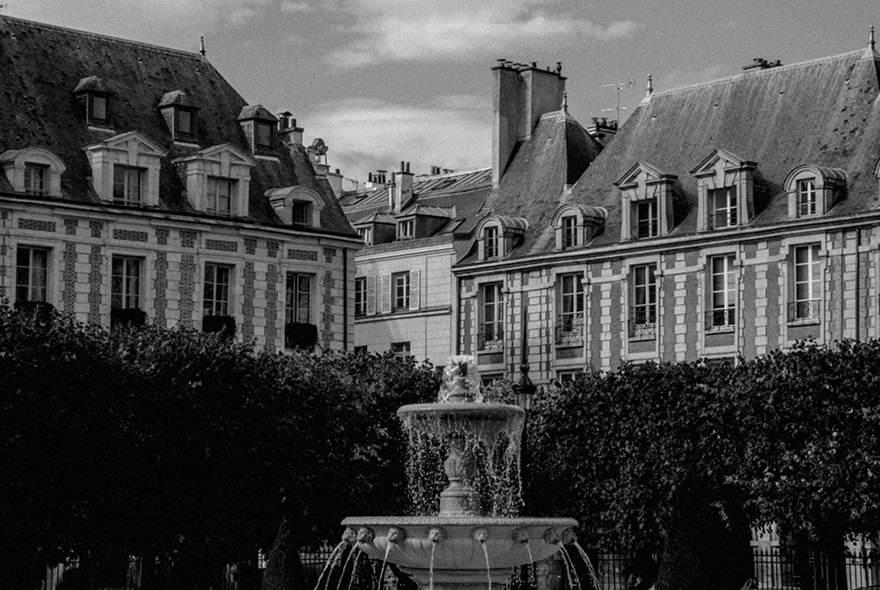
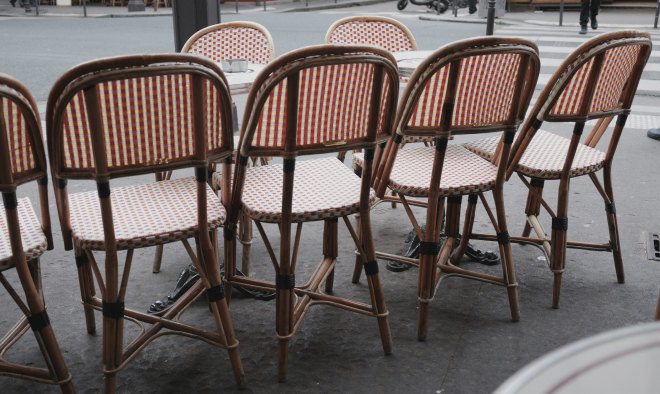
In the Marais, history and contemporary creativity coexist naturally. Cafés, hôtels particuliers, narrow streets and historic façades engage in a dialogue with art, fashion and architecture, especially during Fashion Week.
To see
( A )Place des Vosges — symmetry, brick façades and arcades in one of Paris’s most recognisable squares.
( B )Rue de Turenne — a revealing perspective on the transition between the historic Marais and its contemporary creative scene.
( C )Rue Vieille du Temple — architecture, fashion and neighbourhood life along one of the area’s main thoroughfares.
( D )Rue des Archives — historic façades and a succession of side streets made for wandering without an itinerary.
PARISFW26
( 2 )
The Left Bank
PARISFW26
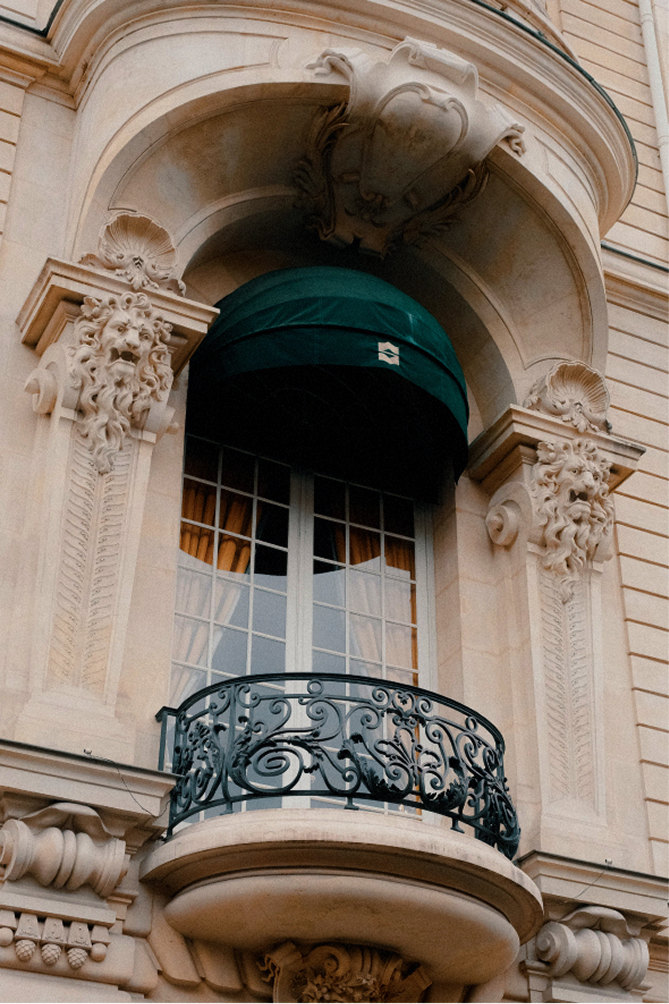
Saint-Germain-des-Prés — A Certain Paris
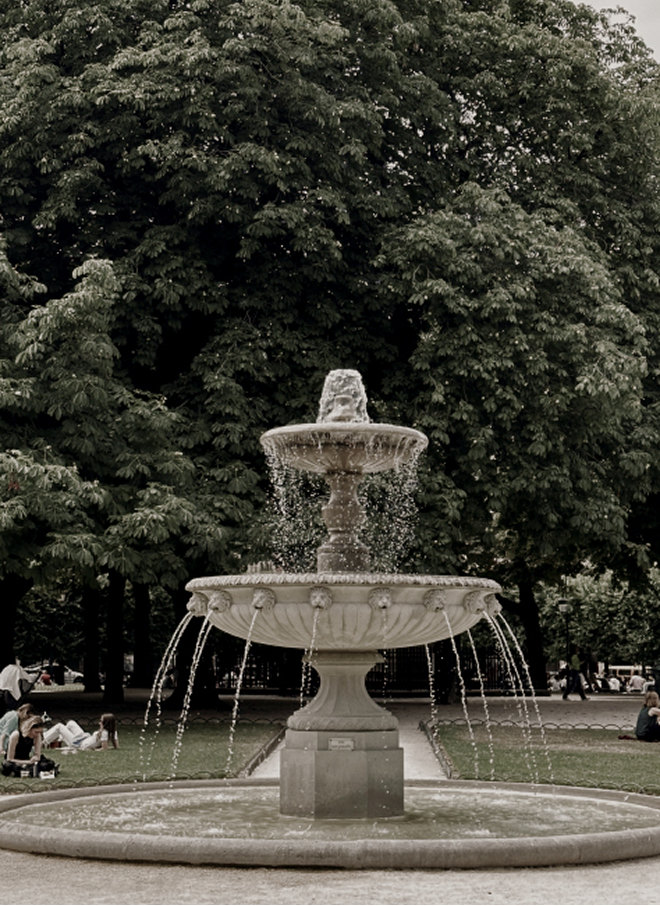
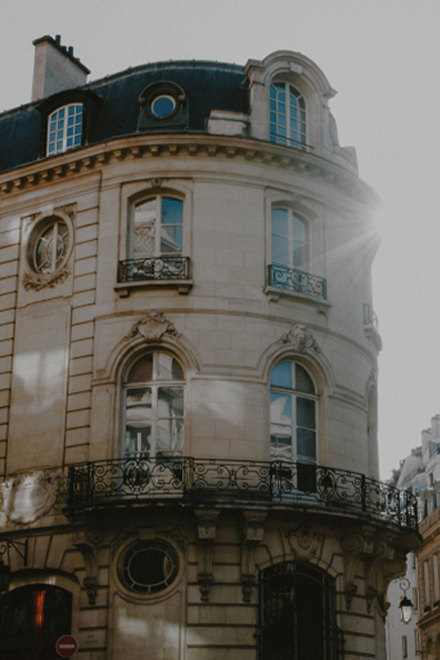
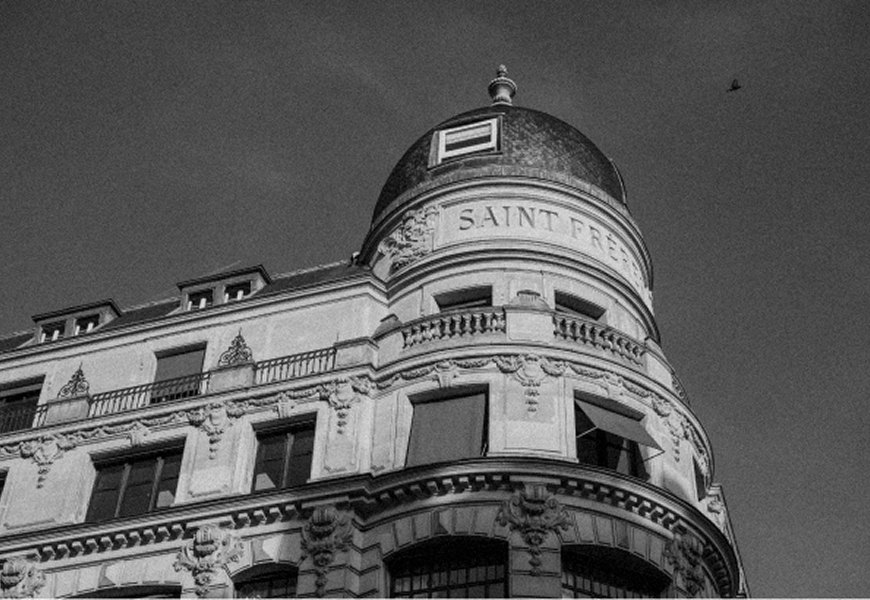
On the Left Bank, Paris takes on a different scale. Saint-Germain retains its historic ties to writers, artists, booksellers, antique dealers and gallerists, while an important modern art scene continues to thrive around Rue de Seine.
To see
( A )Rue de Seine — one of the historic arteries of art and galleries on the Left Bank.
( B )Place de Fürstenberg — a small square that captures the neighbourhood’s more intimate scale.
( C )Quai Malaquais — Parisian architecture overlooking the Seine and a natural connection between art and the city.
( D )Boulevard Saint-Germain — the main artery from which to explore the district’s quieter side streets.
( 3 )
The Quiet Side of Paris
Auteuil — Architecture & a New Parisian Chic
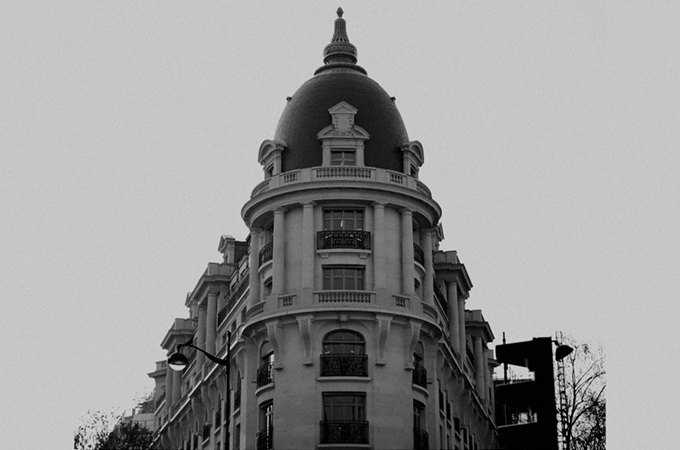
Away from the centre, Auteuil reveals a more residential Paris, where Art Nouveau architecture, with Hector Guimard as a key reference, coexists with new creative addresses reshaping the neighbourhood’s identity.
To see
( A )Rue d’Auteuil — the neighbourhood’s everyday commercial artery and a natural starting point for exploring the area.
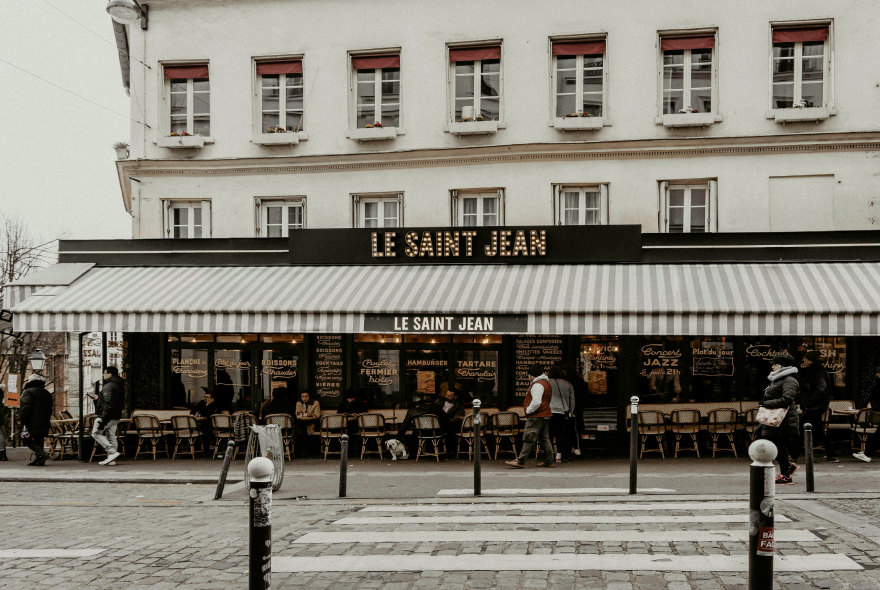
( B )Rue La Fontaine — one of the most interesting streets for discovering Auteuil’s Art Nouveau architecture from the public realm.
( C )Avenue Mozart — façades, shops and residential architecture along one of western Paris’s major avenues.
( D )Place Jean-Lorrain and the surrounding streets — a quieter setting from which to discover the district’s residential fabric.
PARISFW26
PARISFW26
( 4 )
The Artists’ Paris
PARISFW26
PARISFW26
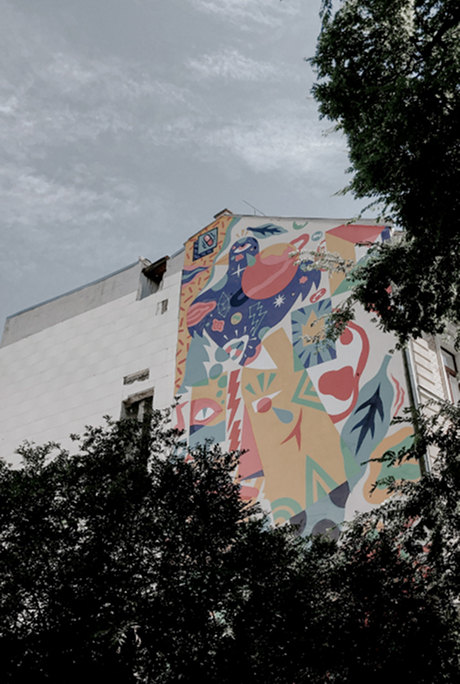
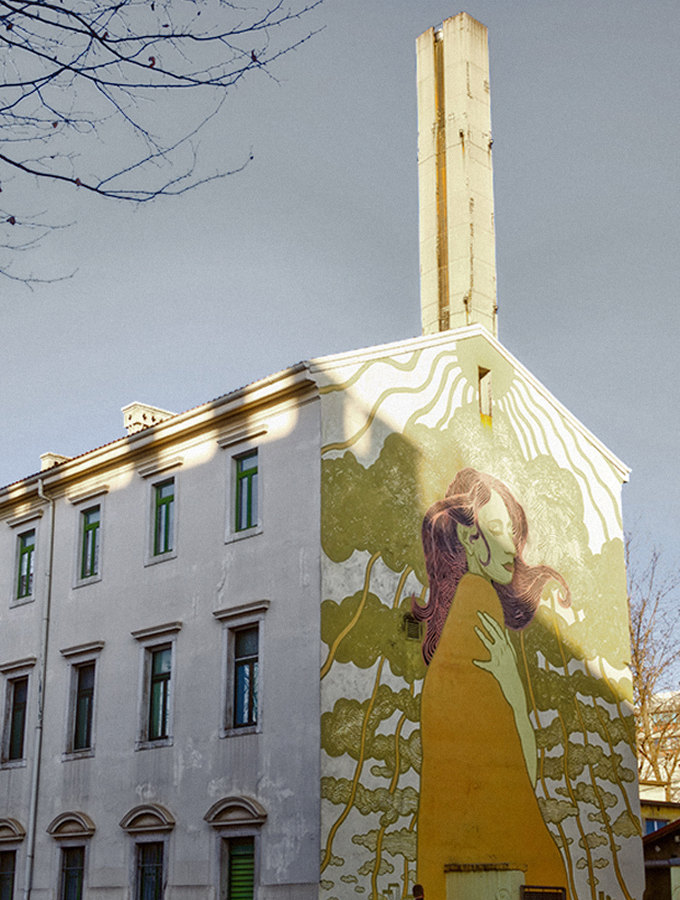
Belleville — The Creative East
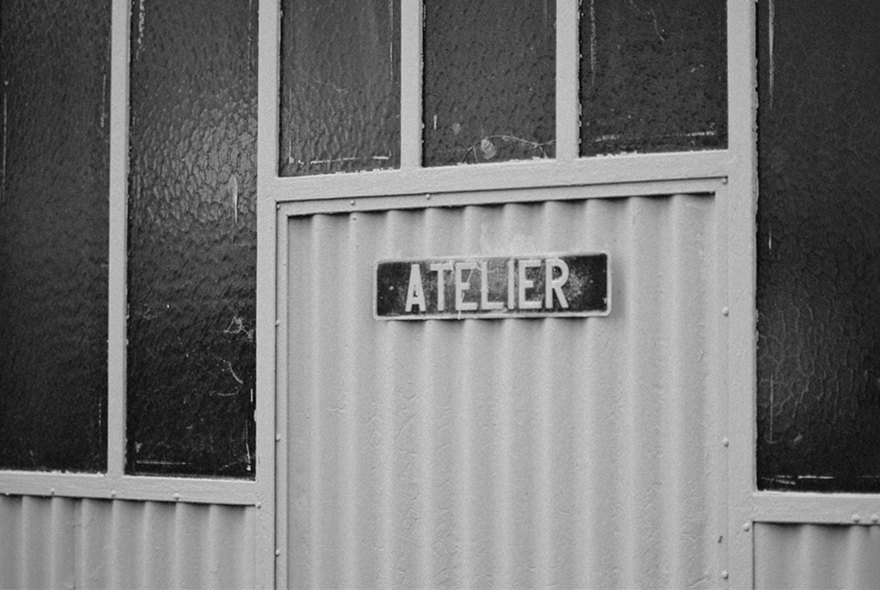
To the east, the language changes. Belleville is one of the areas where Paris’s independent art scene is most visible, with galleries, associations and numerous artists’ studios set within a multicultural neighbourhood.
To see
( A )Rue de Belleville — the main artery from which to understand the neighbourhood’s many identities.
( B )Rue Ramponeau — artists’ studios, small creative spaces and everyday neighbourhood life.
( C )Parc de Belleville — greenery, changing levels and a different perspective on the Paris skyline.
( D )Boulevard de Belleville — an urban boundary between different neighbourhoods and communities in eastern Paris.
( 5 )
Beyond the Centre
Pantin — The New Creative Territory
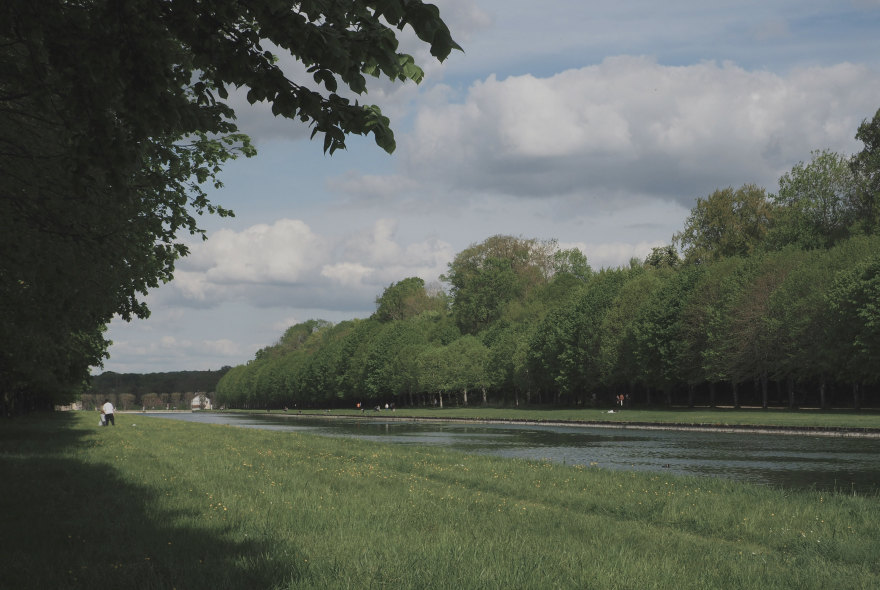
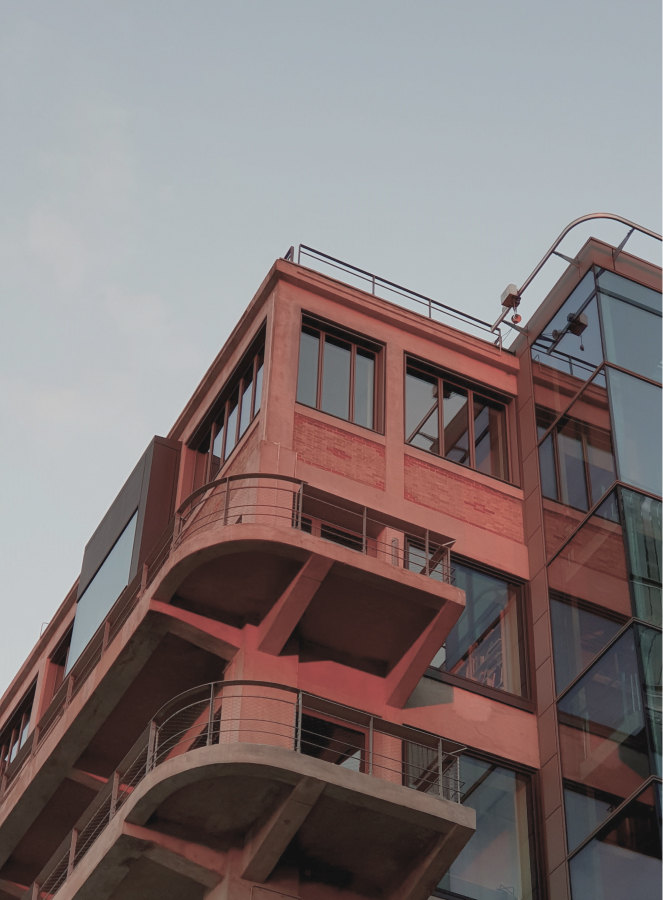
Beyond the périphérique, Pantin has transformed former industrial structures into a new landscape of galleries, studios, design and cultural production, with the Canal de l’Ourcq as its connecting thread.
To see
( A )Canal de l’Ourcq — water and industrial architecture at the heart of the north-eastern landscape.
( B )Quai de l’Aisne — a waterside walk from which to observe the area’s urban transformation.
( C )Rue Delizy — a perspective on Pantin’s industrial past.
( D )Parc Stalingrad — a green pause within a district in transformation.
PARISFW26
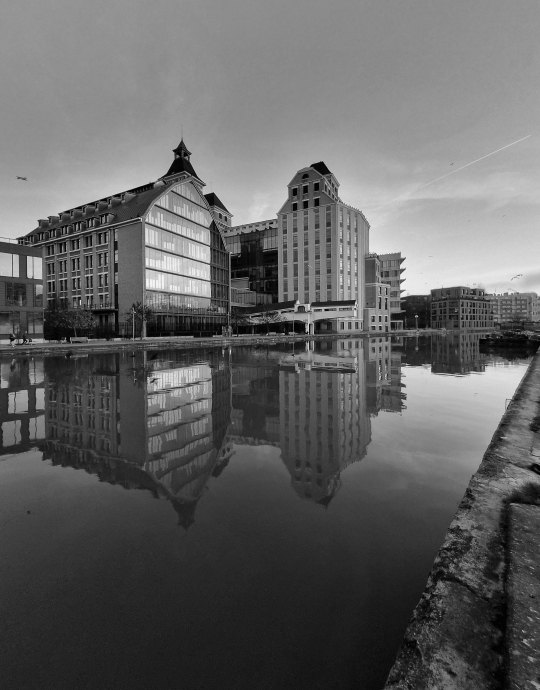
Between shows
# Where to Eat
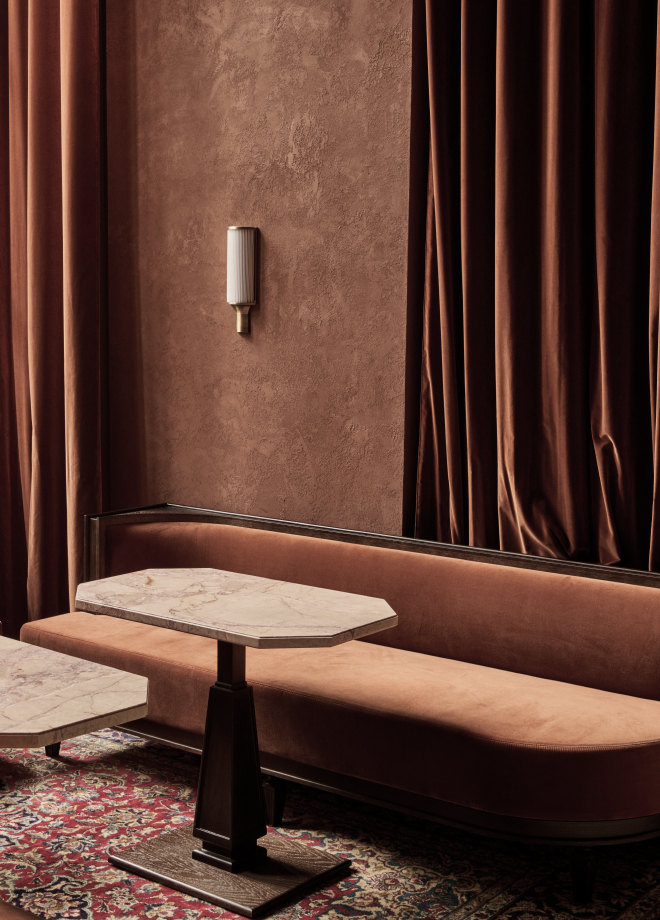
©Adrien Dirand
( 01 )Le Grand Café — On Place Clemenceau, beside the Grand Palais, a contemporary interpretation of the grand Parisian brasserie in a setting closely connected to the city’s cultural and fashion calendar.
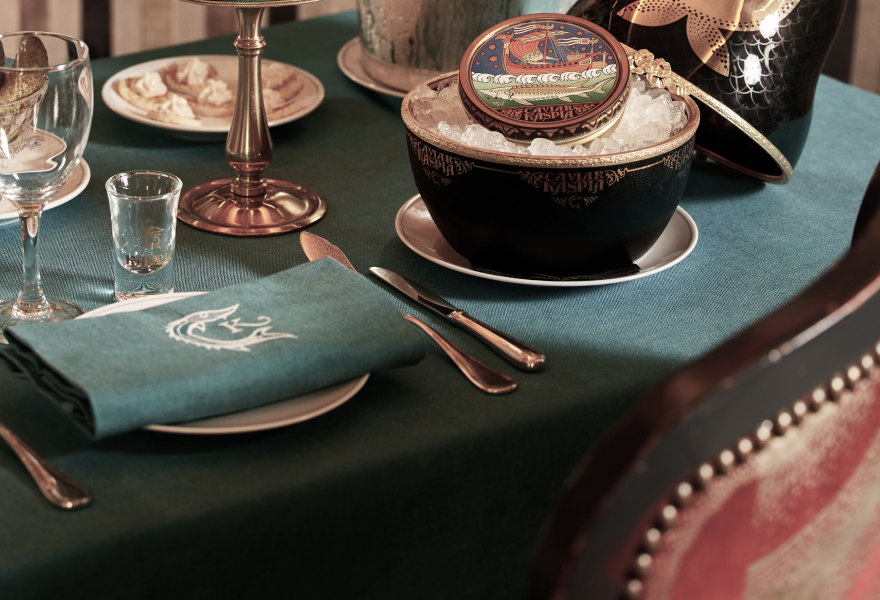
@caviarkaspia
( 02 )Caviar Kaspia — On Place de la Madeleine, a historic address in Paris’s fashion imagination, where caviar, tradition and a certain sense of celebration come together.
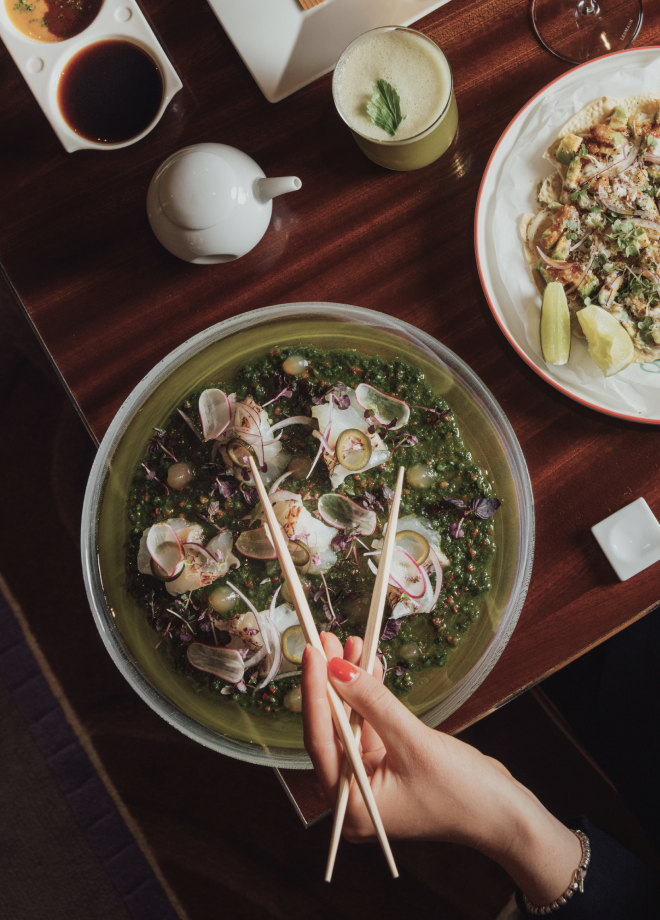
Courtesy of Matsuhisa Paris
( 03 )Matsuhisa Paris — At Le Royal Monceau, Nobu Matsuhisa’s cuisine brings Japanese and Peruvian influences together at one of western Paris’s standout dining addresses.
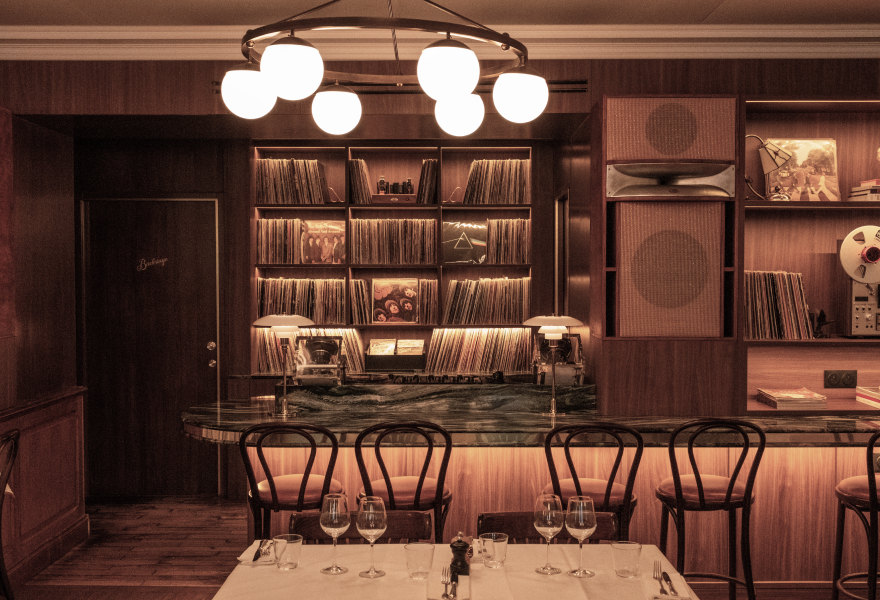
Courtesy of Billie Restaurant
( 04 )Billie — On Rue des Petits Champs, a contemporary bistro where Mediterranean cuisine and music culture come together around a carefully curated soundtrack.
# Where to Sleep
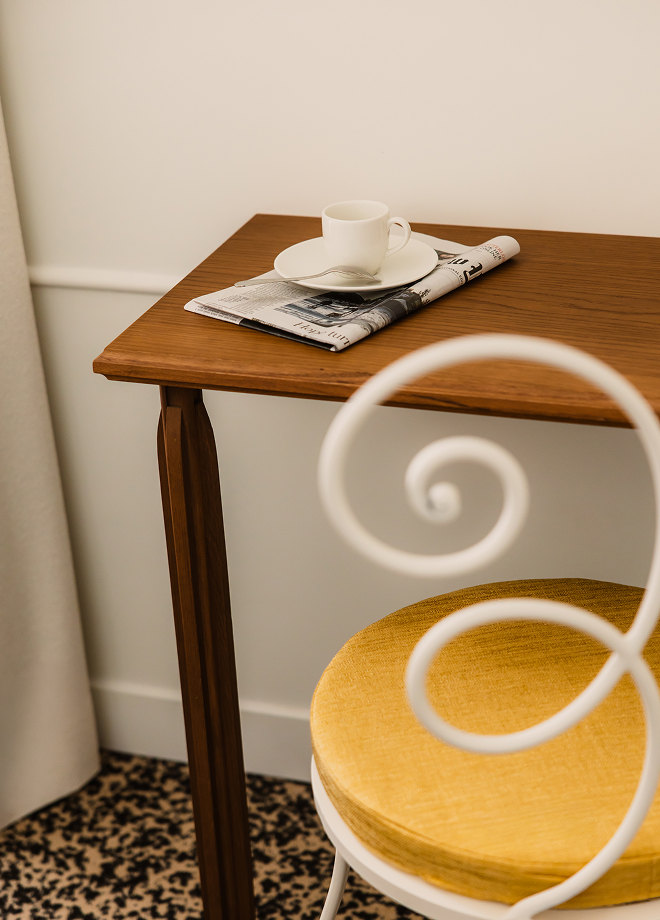
Photos: Nolwenn Pernin
( 01 )Hôtel Blanca by Orso — In the 17th arrondissement, near Batignolles, an urban retreat inspired by the Nouvelle Vague. Contemporary sensibility, natural materials and an intimate atmosphere offer a different way to experience residential Paris.
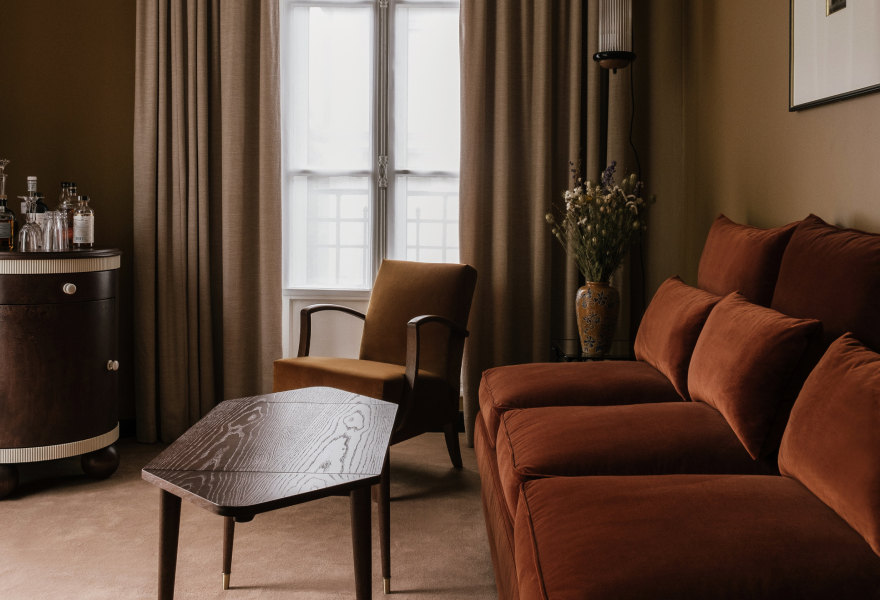
Photos: @ludovicbalay
( 02 )Hôtel Rochechouart — At the foot of Montmartre, a hotel that revisits the spirit of 1920s Paris through a contemporary lens, between Pigalle and the streets rising towards Sacré-Cœur.
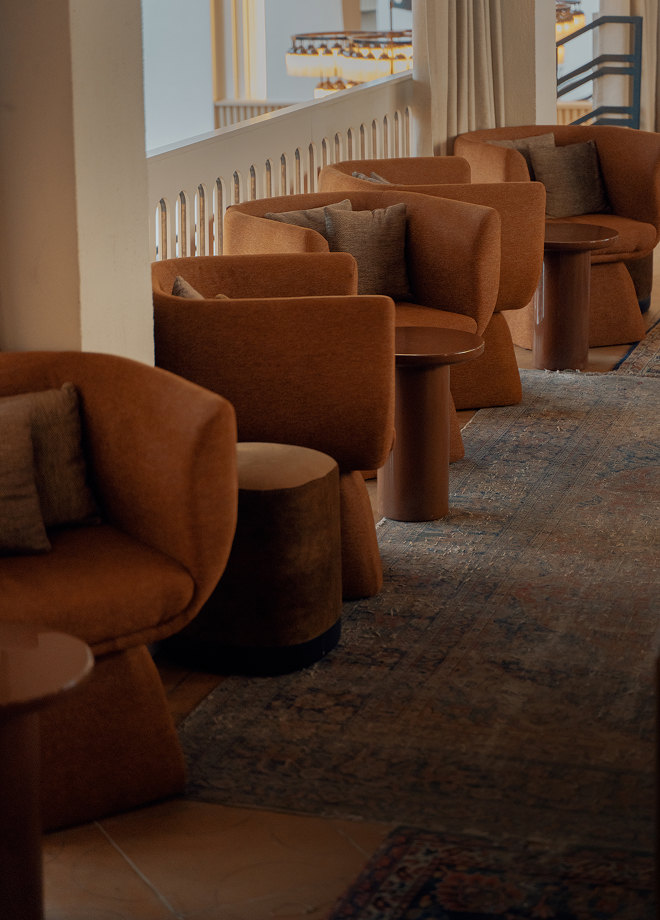
© Amaury Laparra
( 03 )Experimental Marais — On Rue du Temple, a building with a monastic air reimagined as a contemporary Parisian hotel, in the heart of the Marais and steps from its gallery circuit.