
London Fashion Week- Documentary
Between one show and the next, London reveals another runway: its streets, its architecture and a creative scene in constant motion.
The Look
What to wear to London Fashion Week
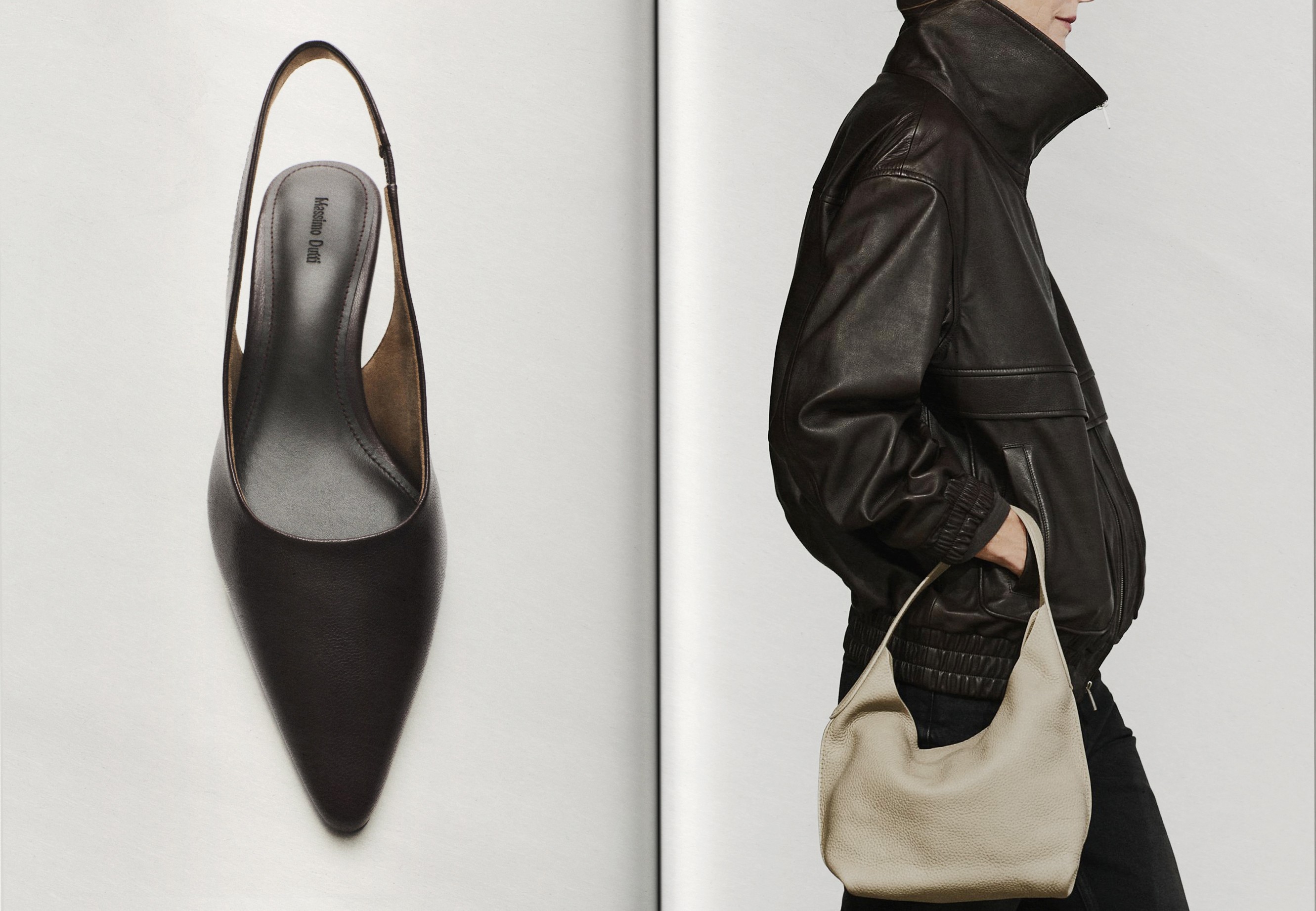
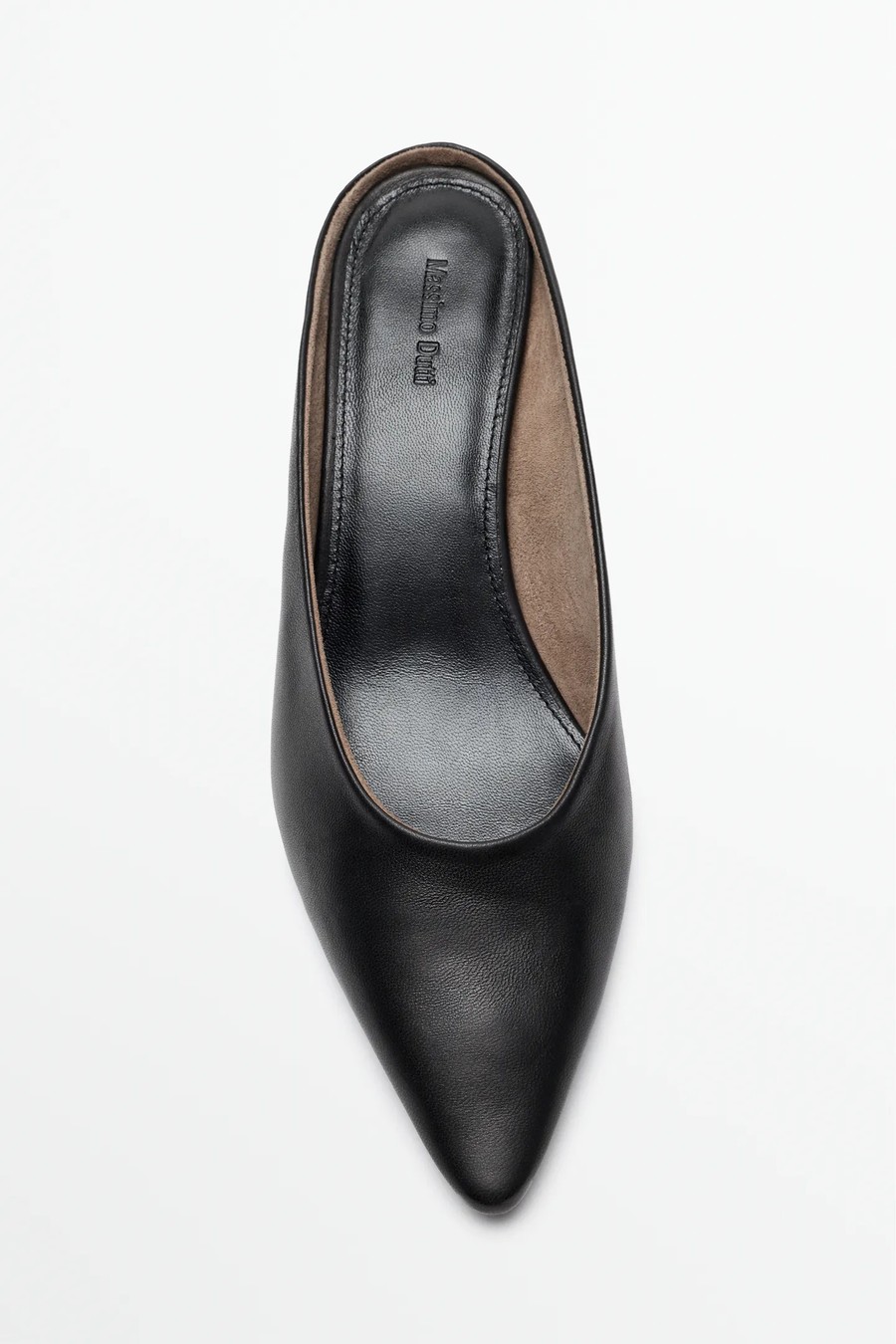
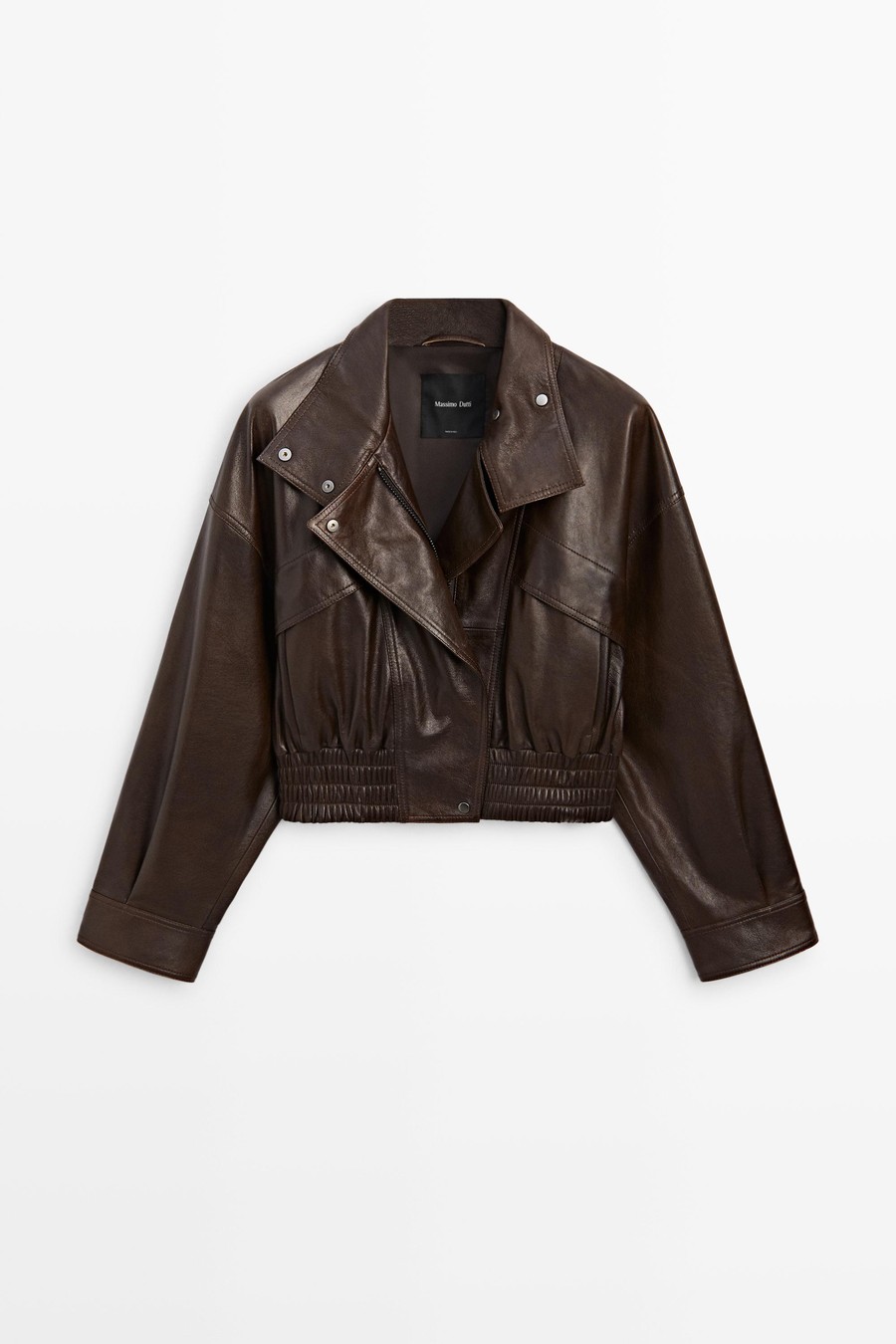
Short Bomber Jacket, Wedge Heel Mule Shoe, Mini Shoulder Bag
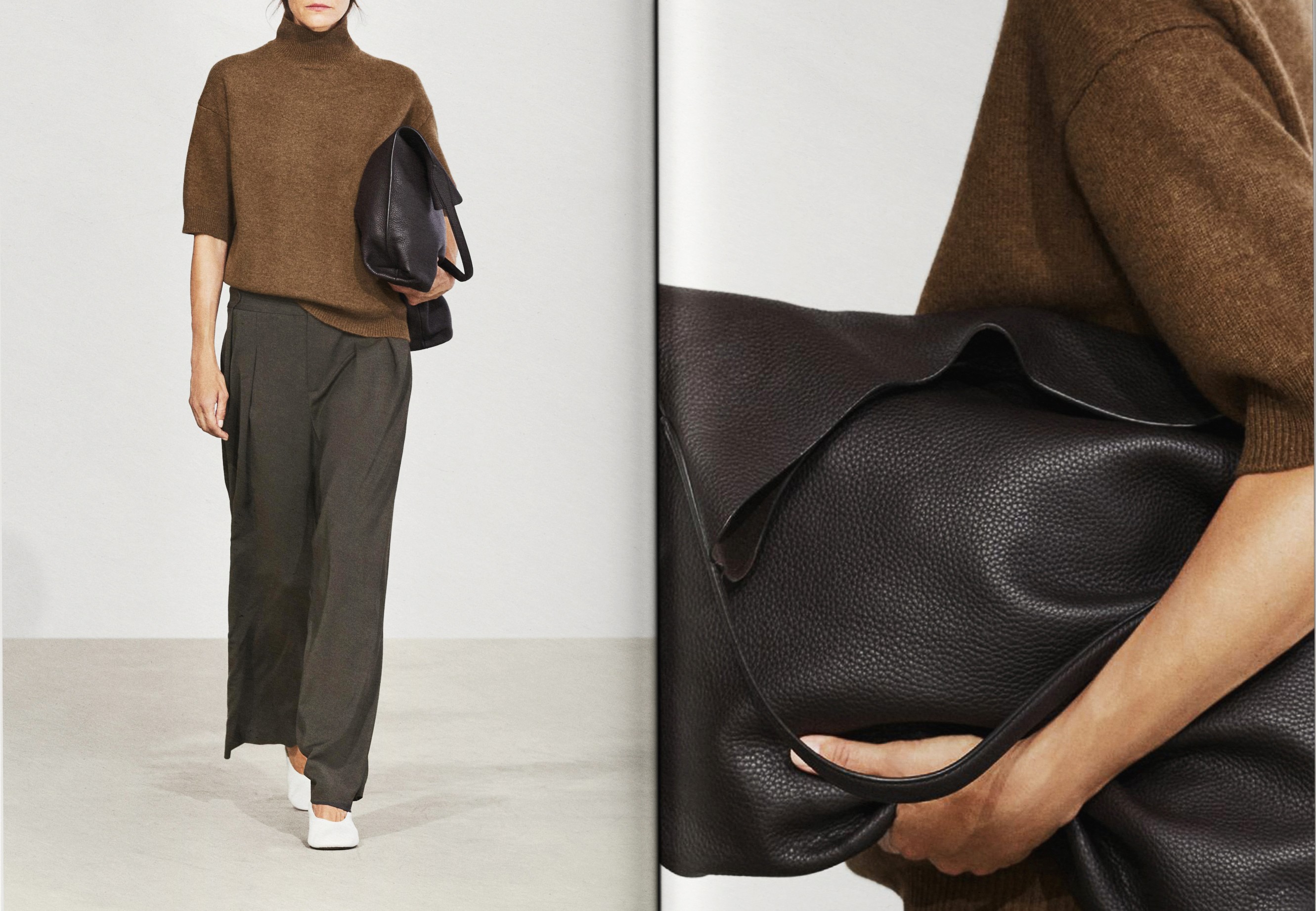
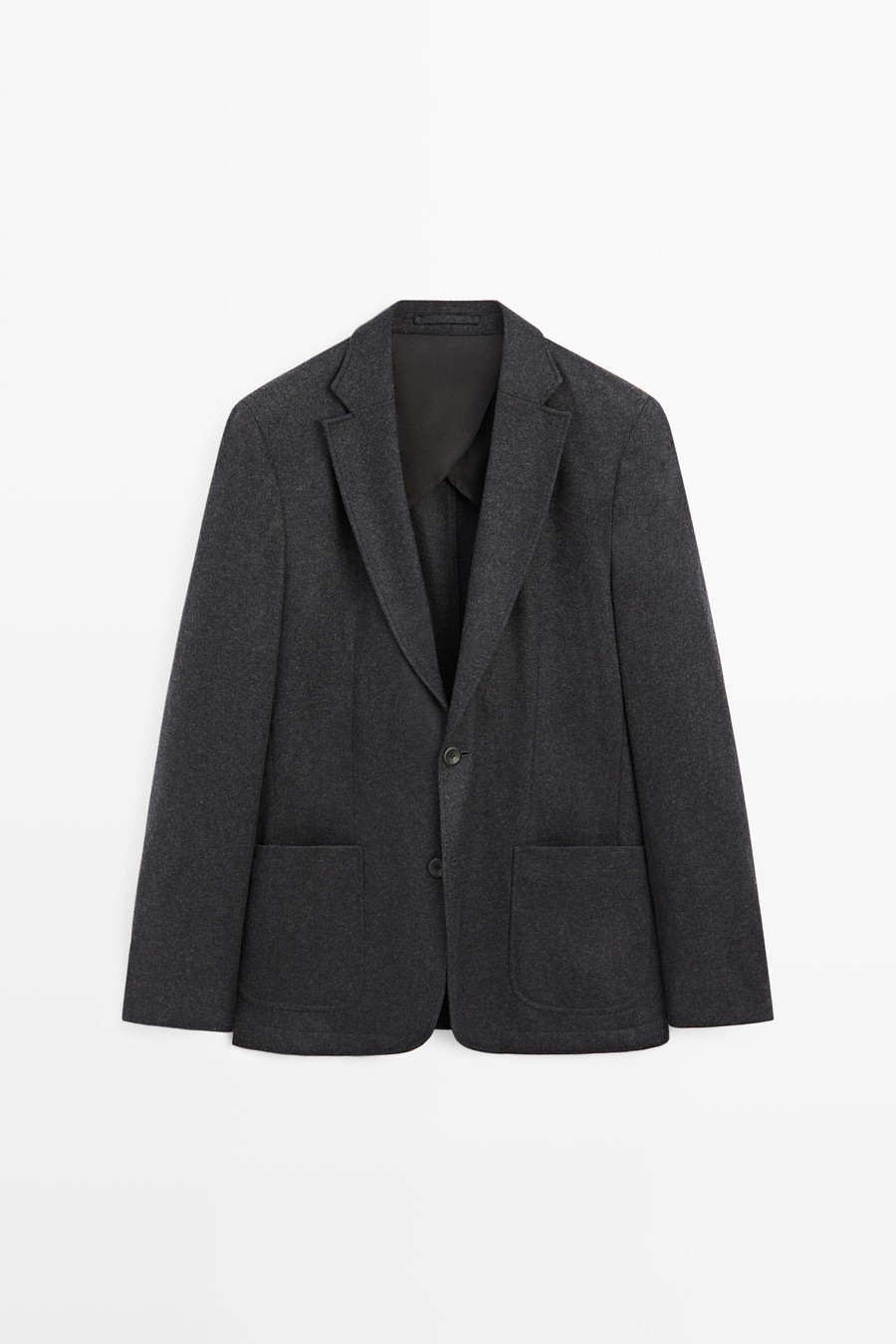
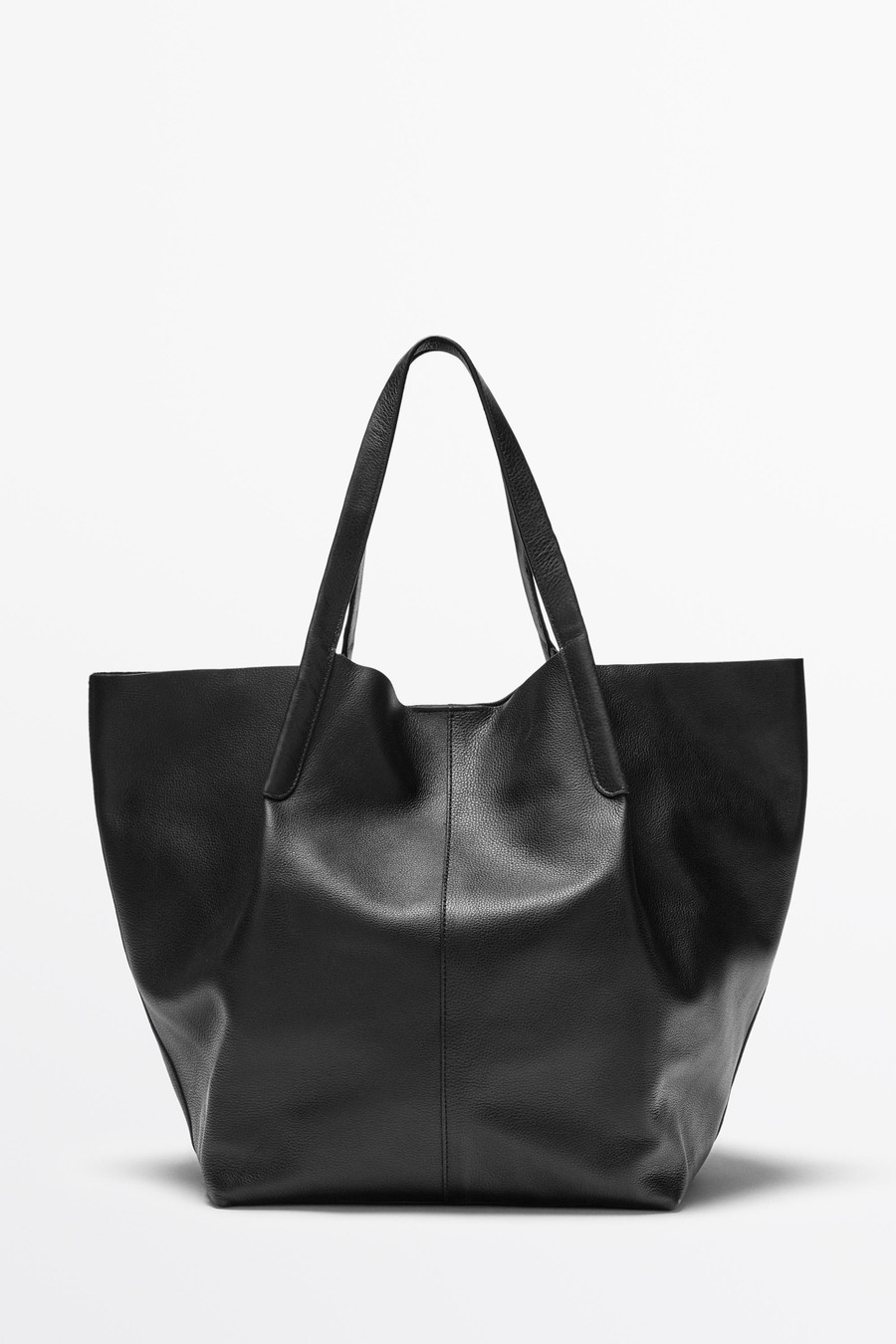
Total Look Blazer, Cold Wool Suit Trousers, Soft Leather Shirred Loafer, Tote Bag
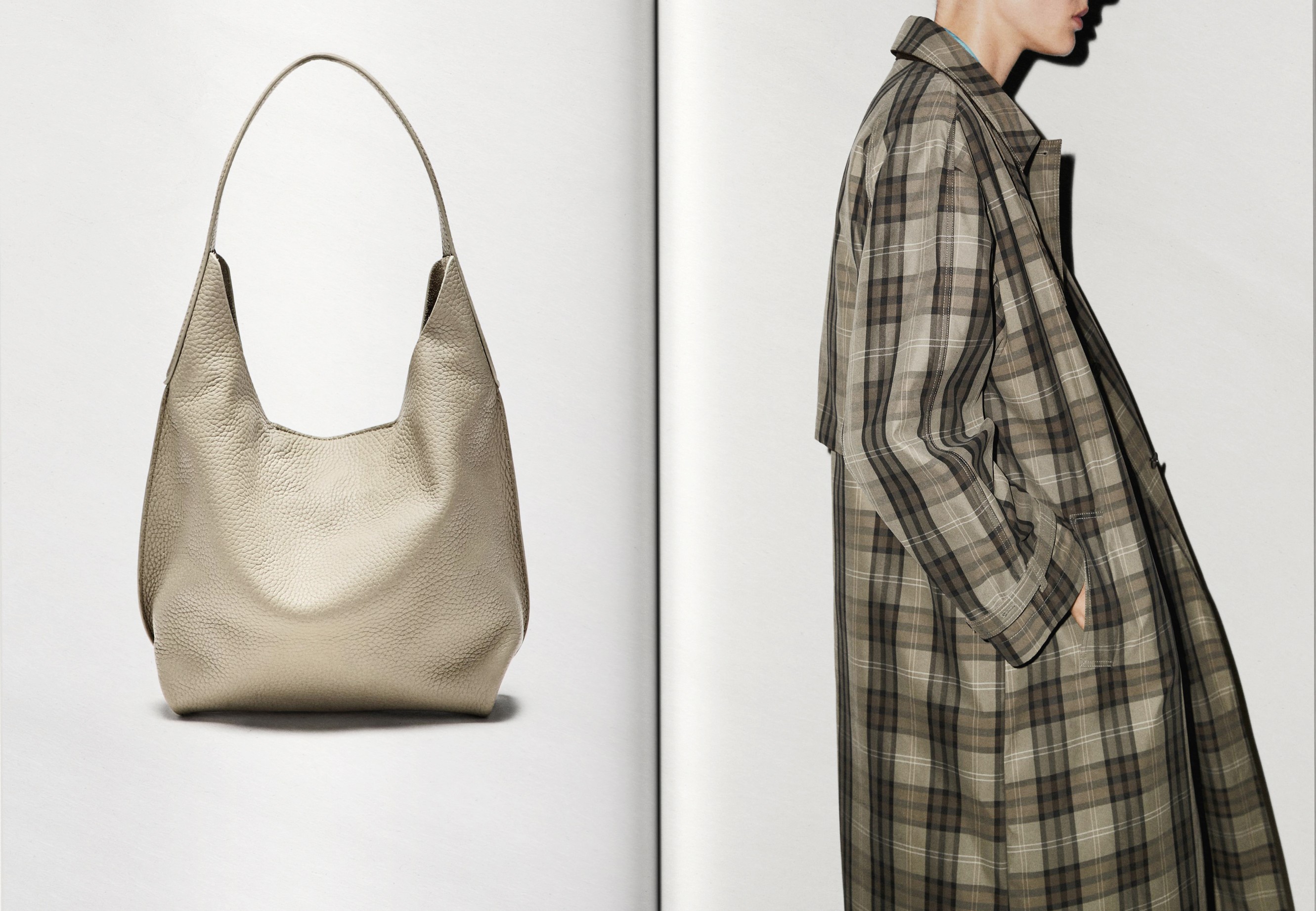
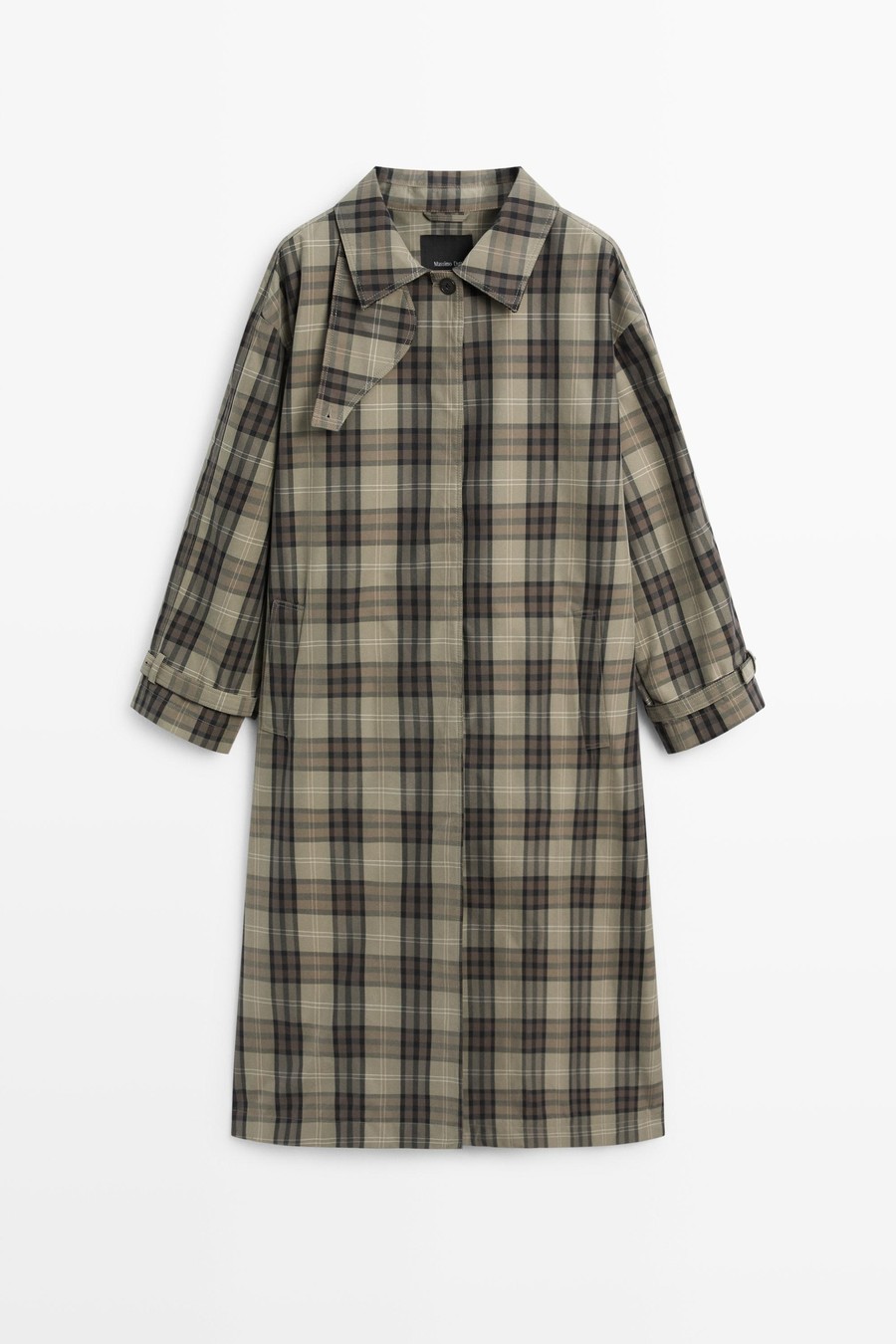
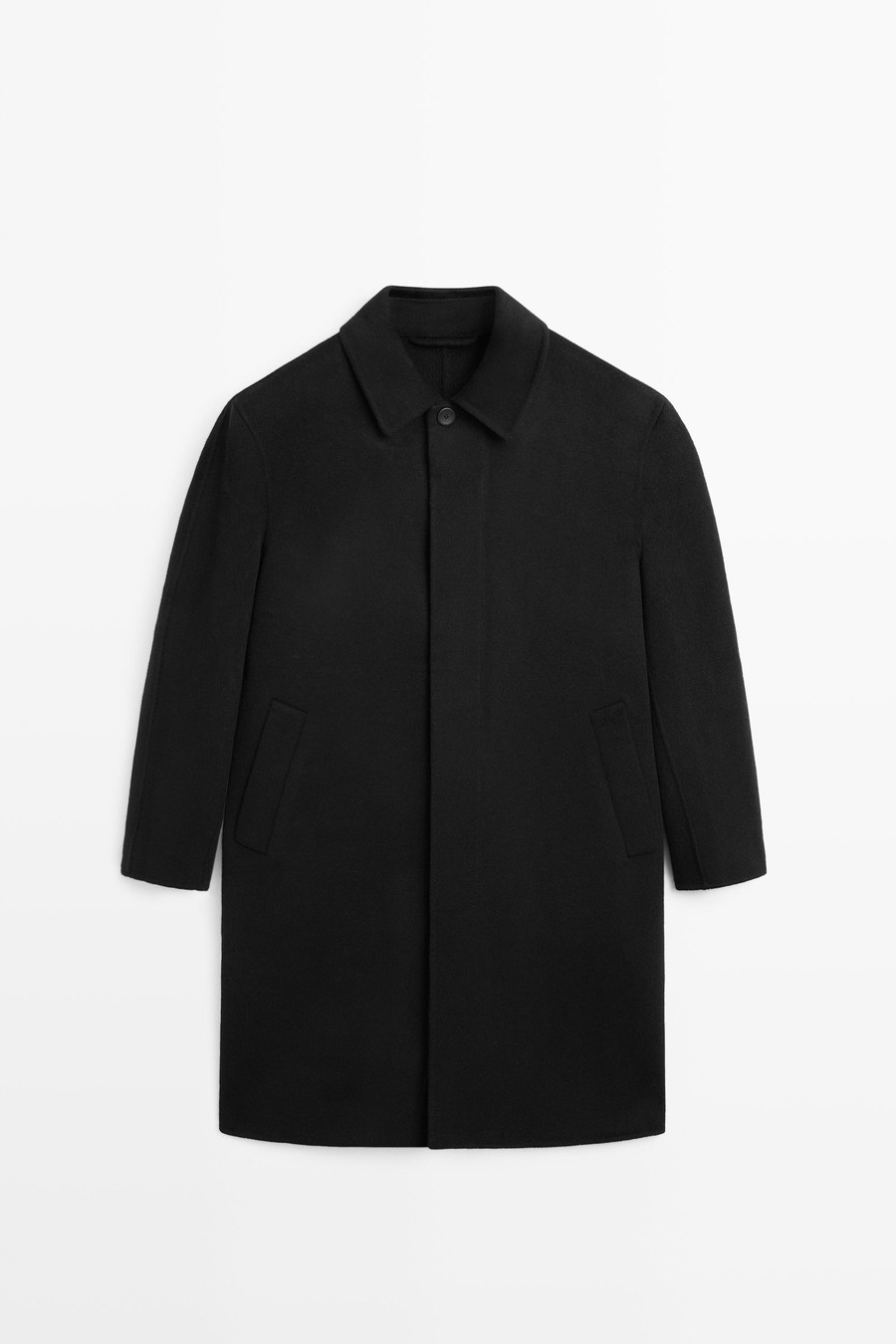
Long Trench Coat, Nappa Leather Mini Shoulder Bag
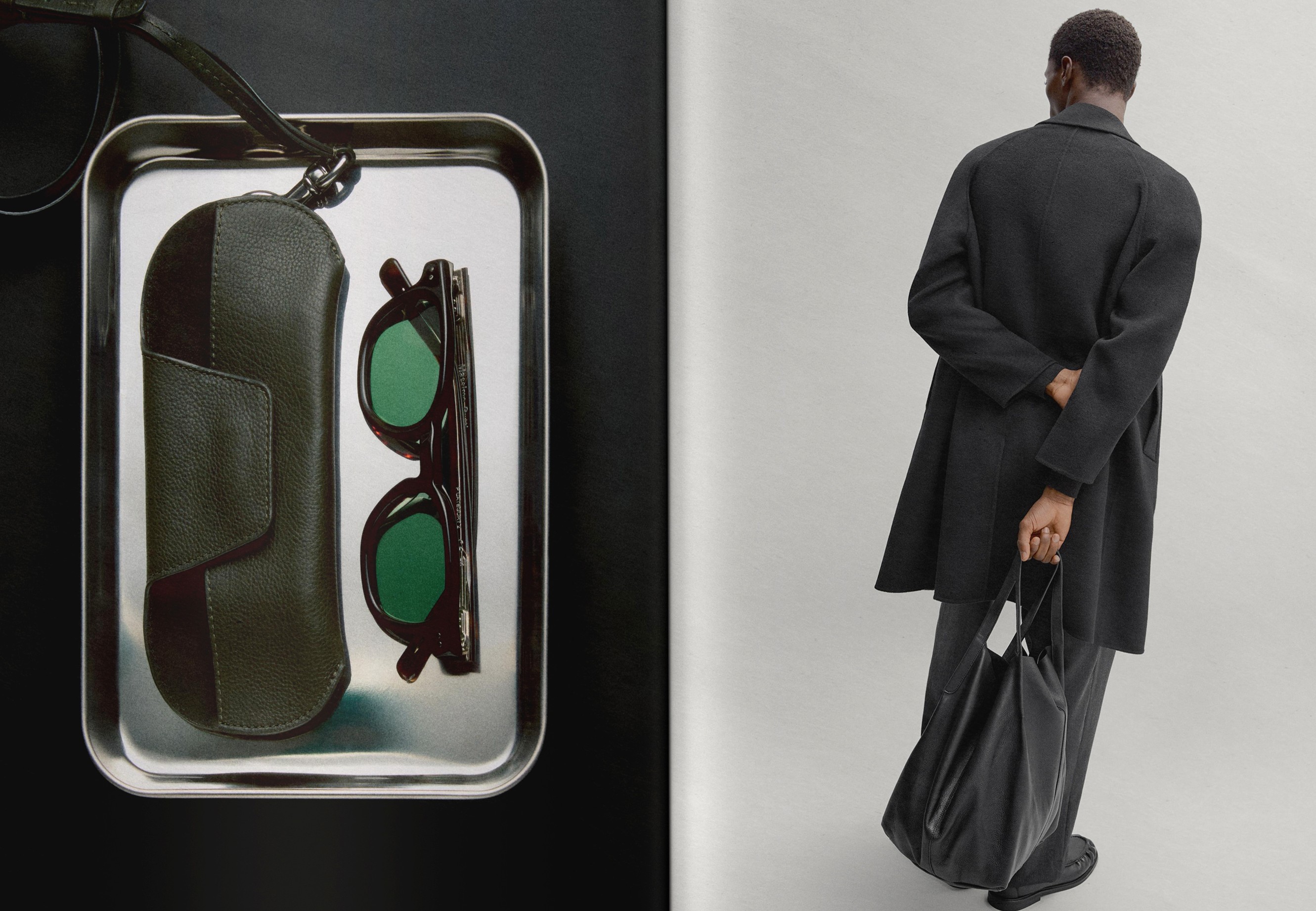
Double-Faced Wool Blend Coat, Round Sunglasses, Tote Bag




A Fashion Week City Guide
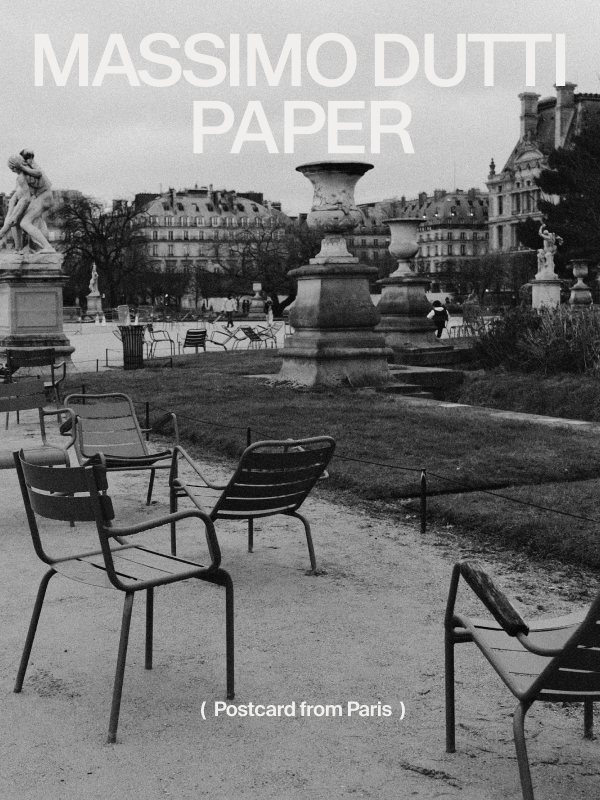
byMassimo Dutti Paper
During London Fashion Week, the city becomes part of the experience. With no single venue for shows and presentations, we move from east to west, discovering some of its most influential neighbourhoods through their streets, parks, architecture and public spaces.
Start East
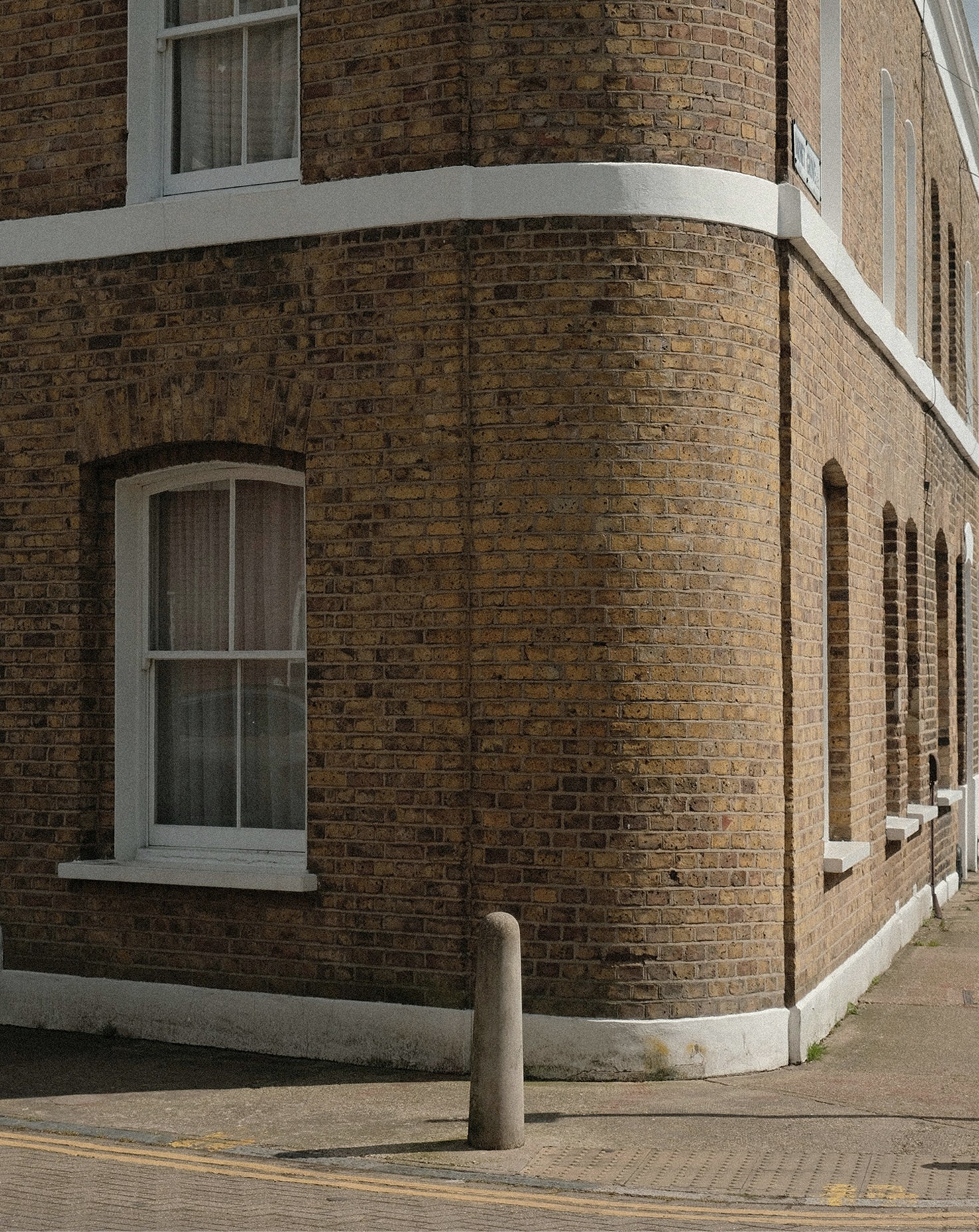
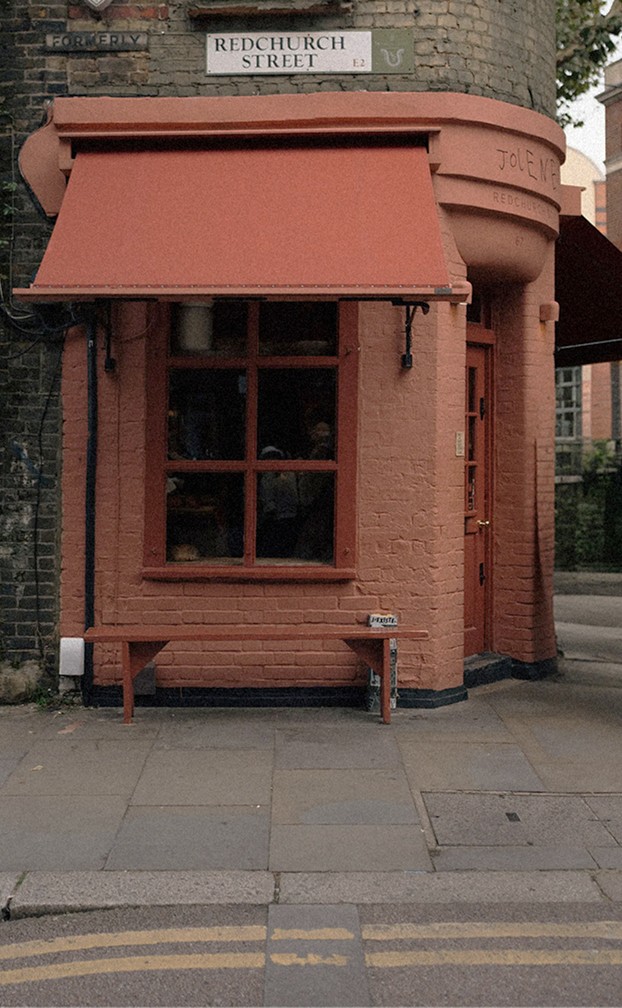
Shoreditch & Hoxton — The Creative East
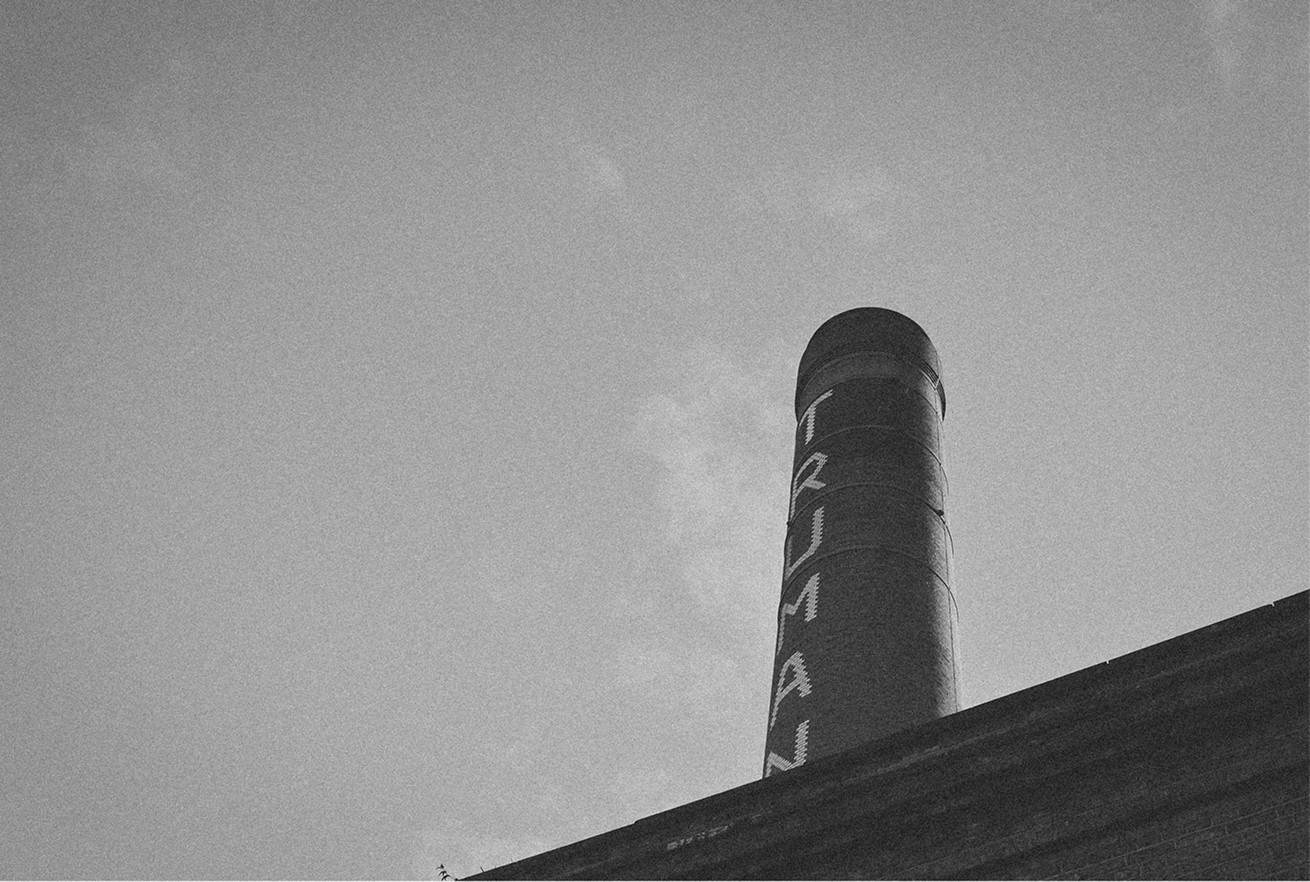
We begin in the east, one of London’s creative territories. Former warehouses, brick façades, industrial architecture and new interventions coexist in an urban landscape that is constantly evolving.
LONDONFW26
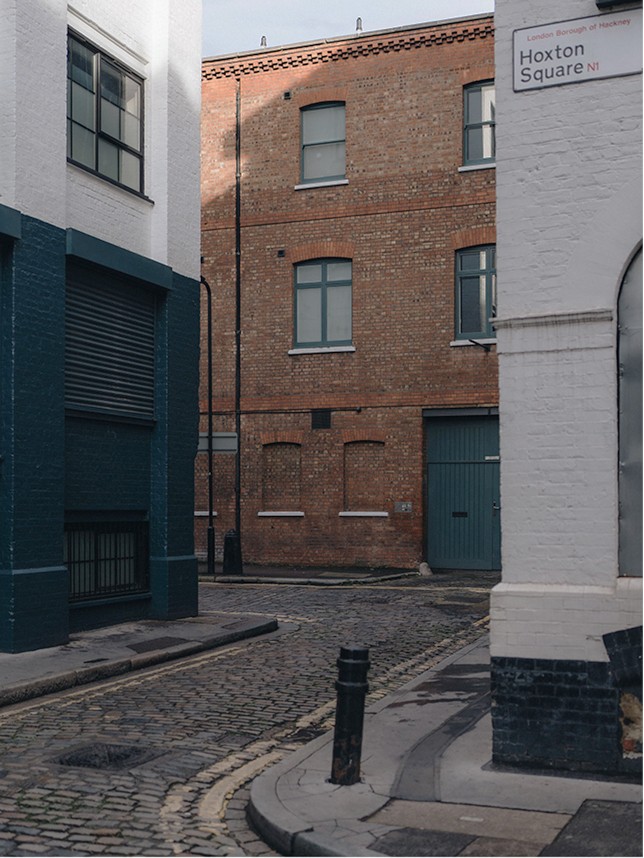
( 02 )Hoxton Square
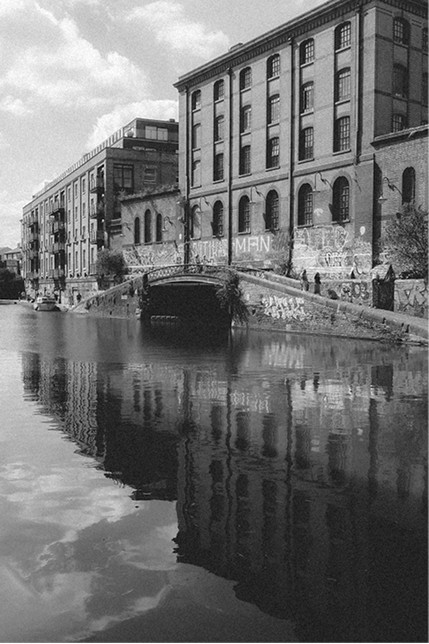
( 03 )Regent’s Canal
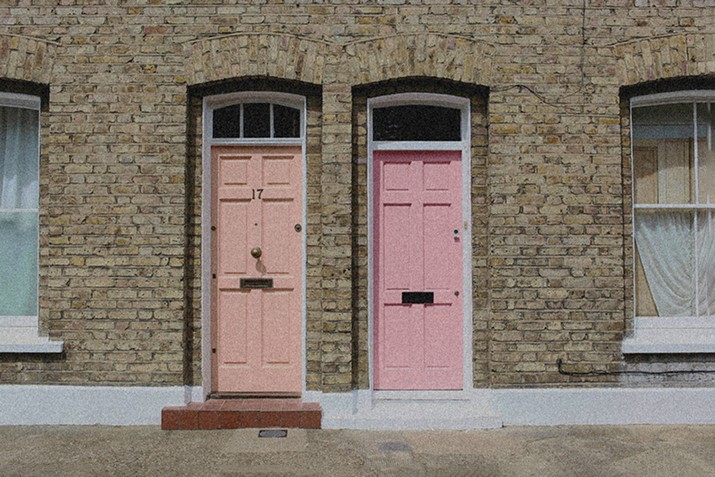
( 04 )Columbia Road
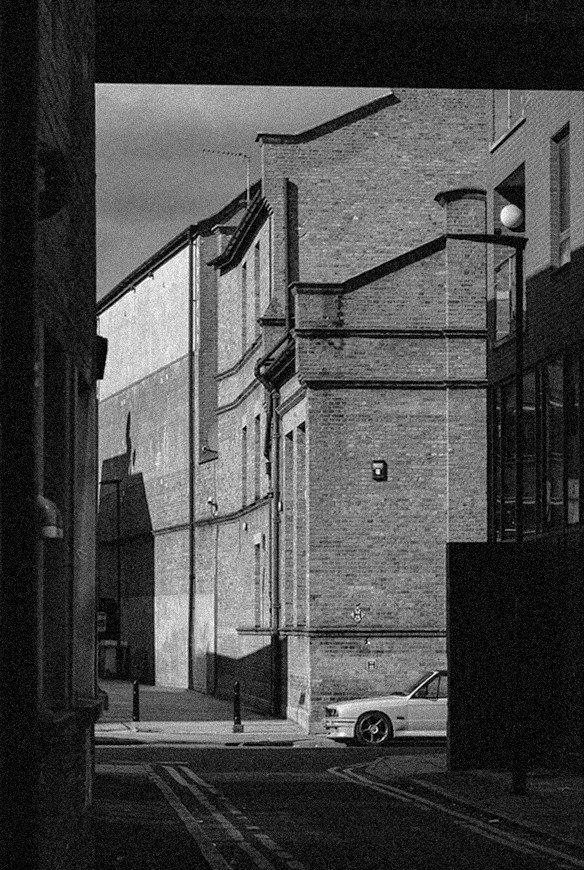
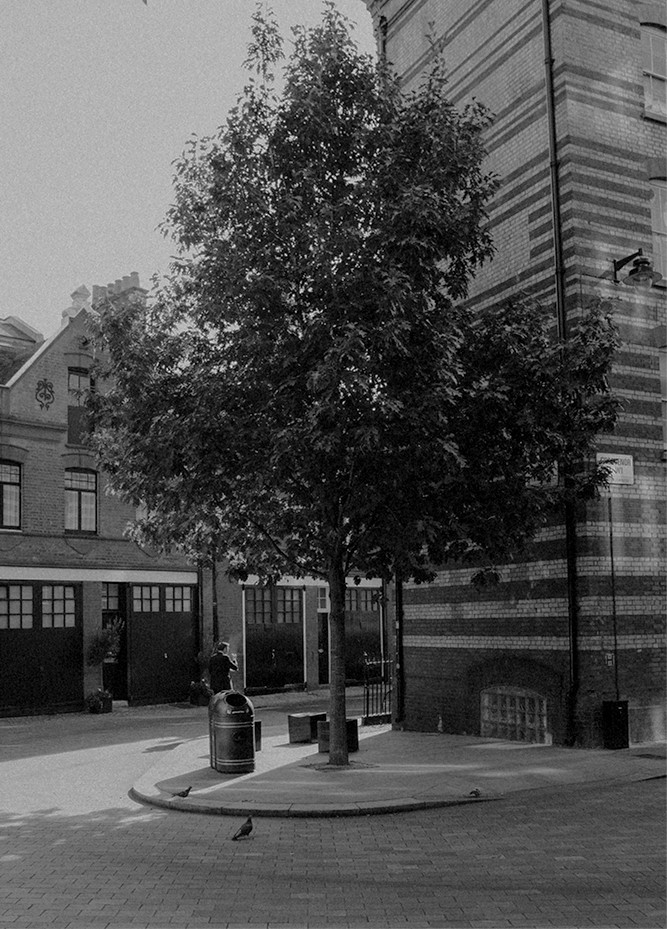
( 01 )Arnold Circus
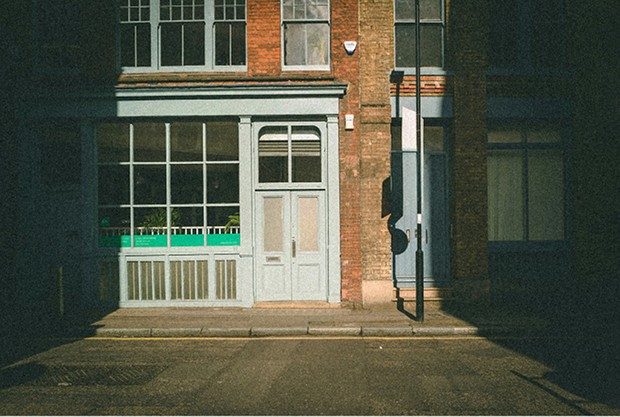
LONDONFW26
To see
( 01 )Arnold Circus — residential architecture and a garden at the heart of the Boundary Estate.
( 02 )Hoxton Square — a green pause among the streets of East London.
( 03 )Regent’s Canal — water, industrial architecture and new developments.
( 04 )Columbia Road — Victorian houses and the distinctive scale of the East End.
Towards the City
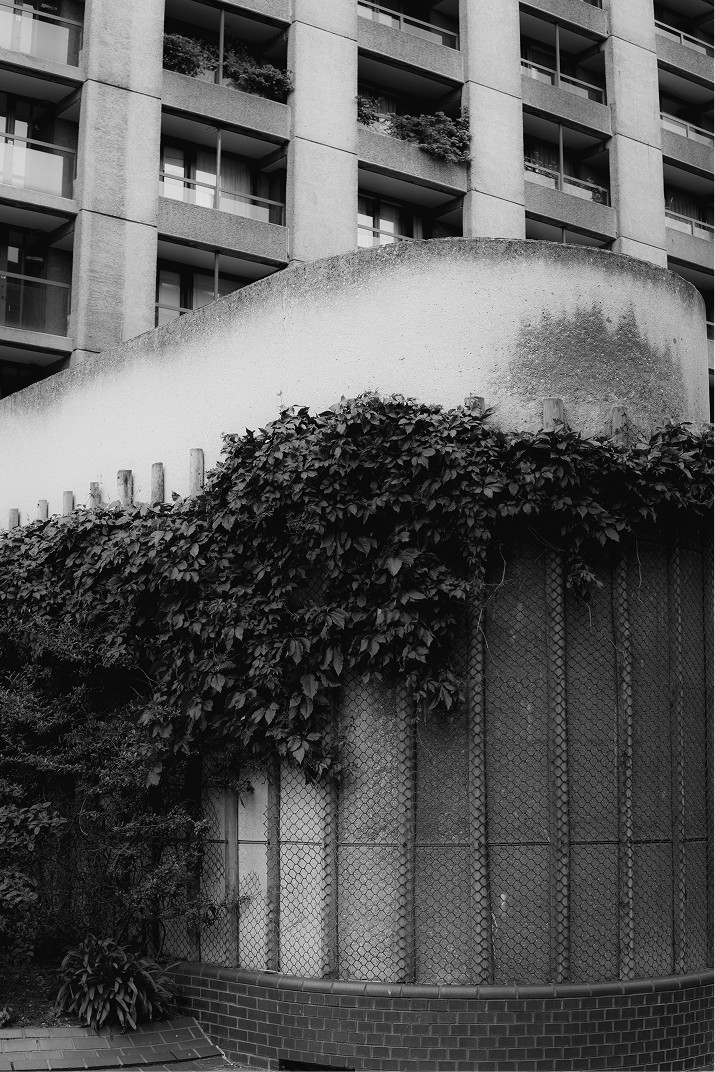
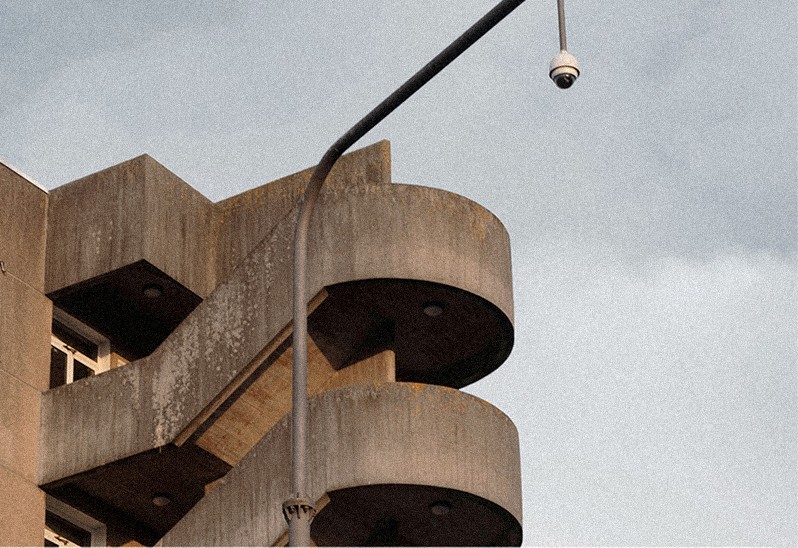
Barbican — Brutalism & Culture
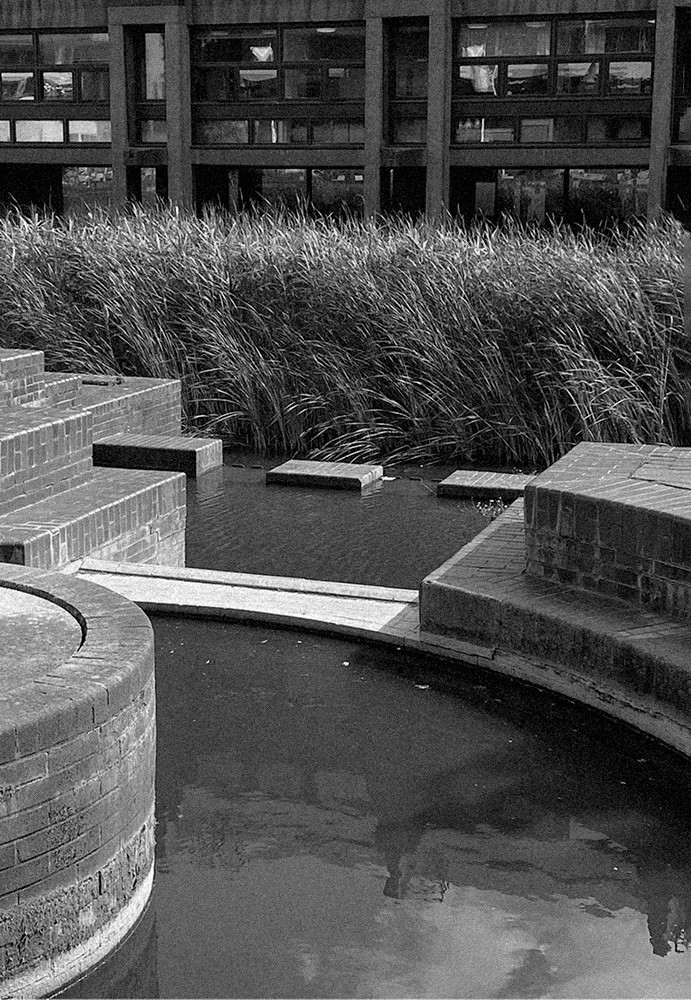
Closer to the City, brick gives way to concrete. The Barbican presents a radically different London: elevated walkways, towers, gardens and water create a Brutalist landscape that feels almost independent from the city around it.
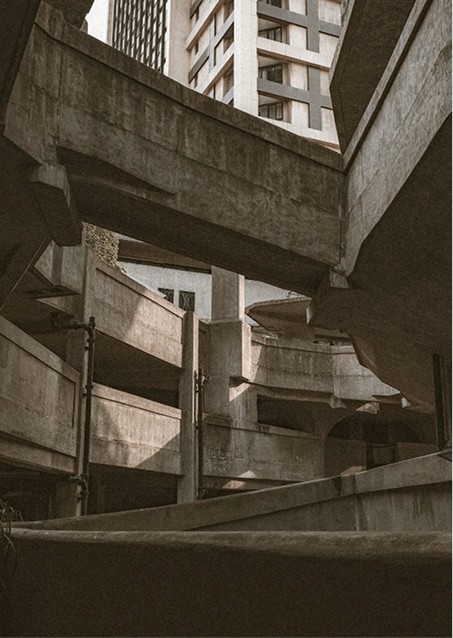
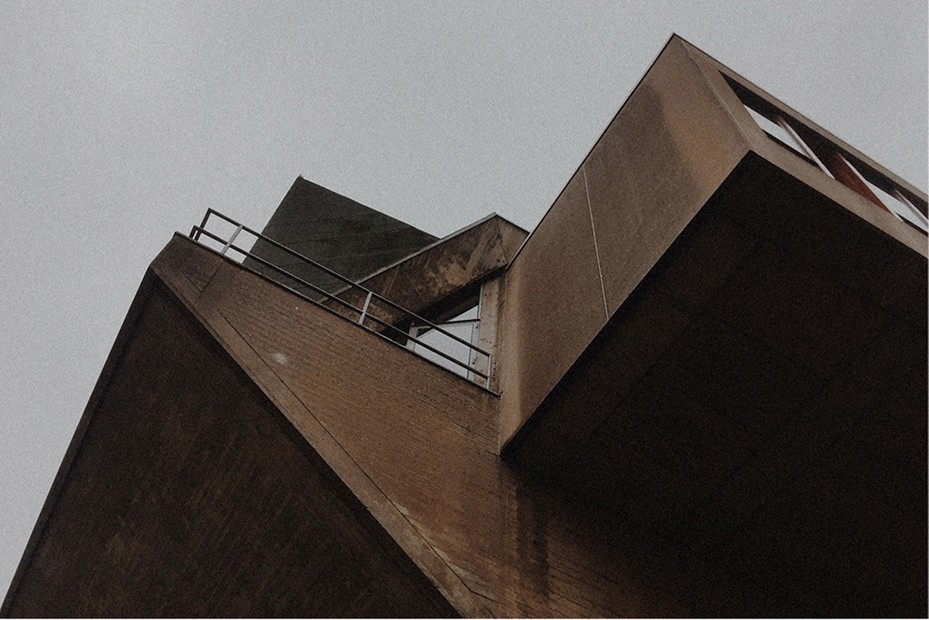
( 01 )Barbican Estate
LONDONFW26
( 02 )The Lakeside
To see
( 01 )Barbican Estate — one of London’s essential Brutalist complexes, viewed from its outdoor spaces.
( 02 )The Lakeside — water, greenery and concrete.
( 03 )The Highwalks — elevated walkways from which to discover the architecture from different perspectives.
( 04 )St Giles Cripplegate — historic architecture in contrast with the Brutalist landscape.
The Intellectual City
Bloomsbury — Gardens & Georgian London
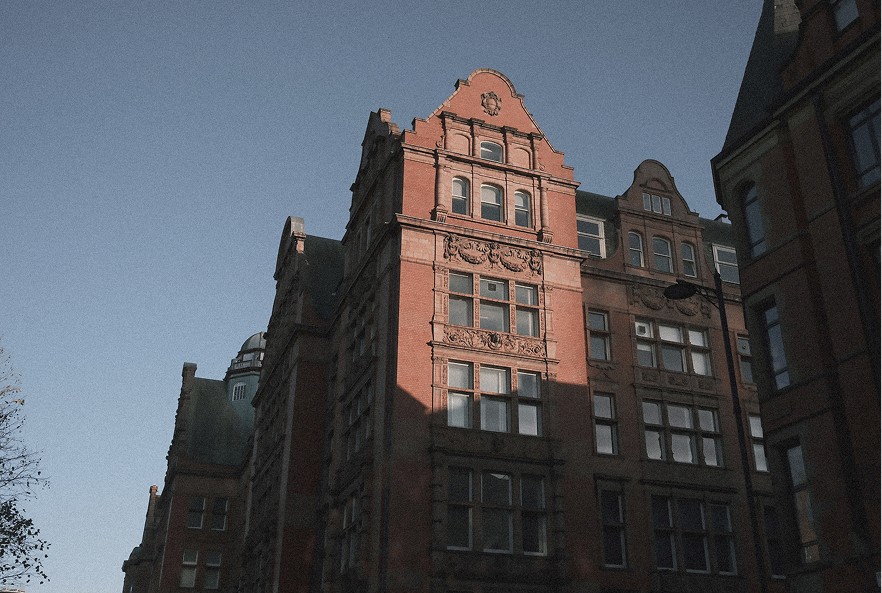
In Bloomsbury, London changes pace. Georgian architecture, gardens and squares introduce a more classical, unhurried scale, historically linked to the city’s intellectual life.
LONDONFW26
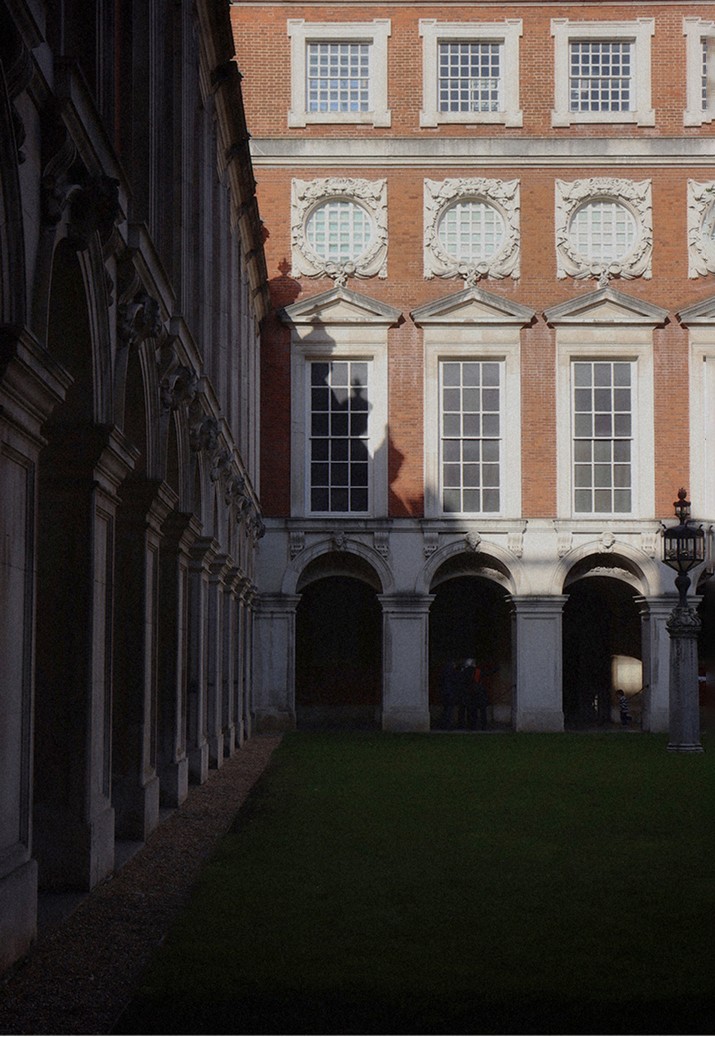
( 04 )Lincoln’s Inn Fields
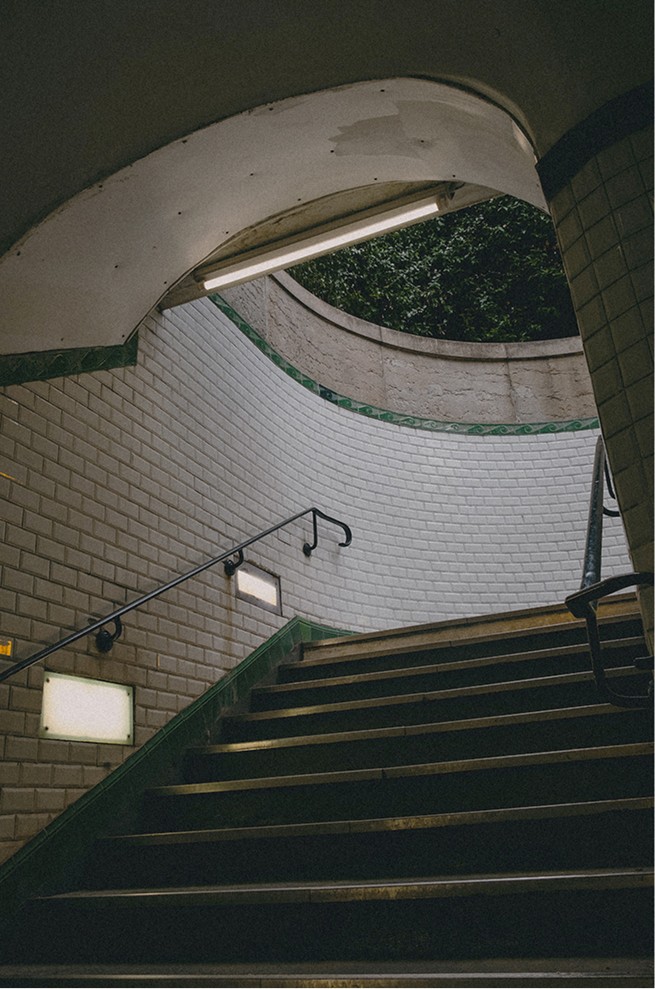
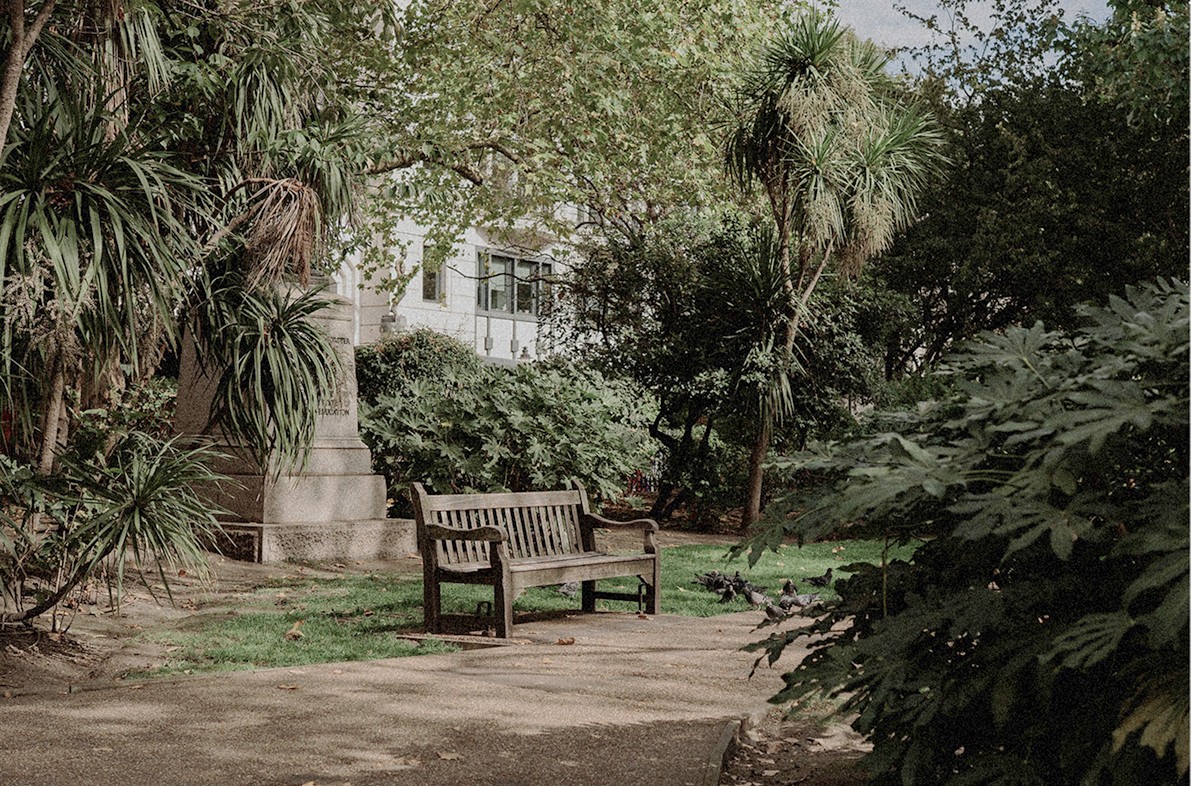
( 01 )Russell Square
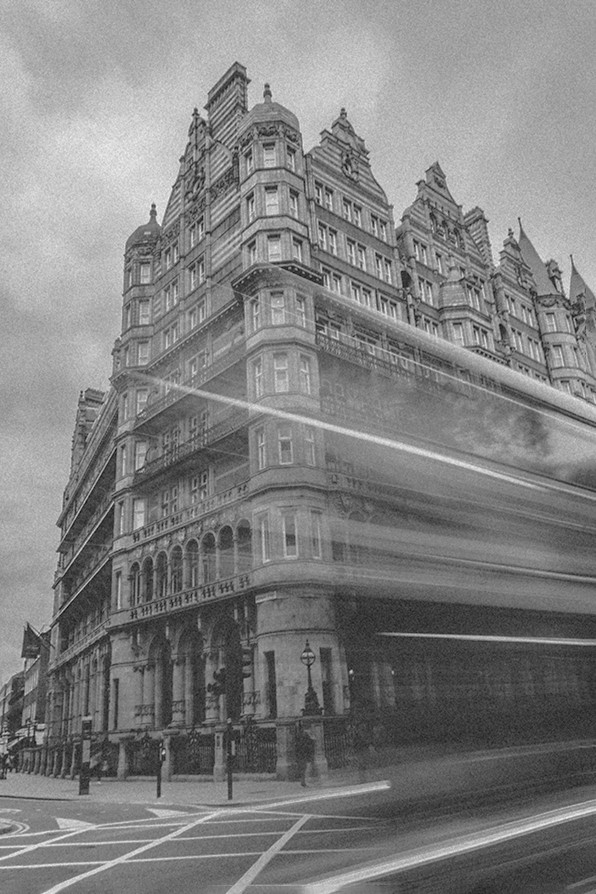
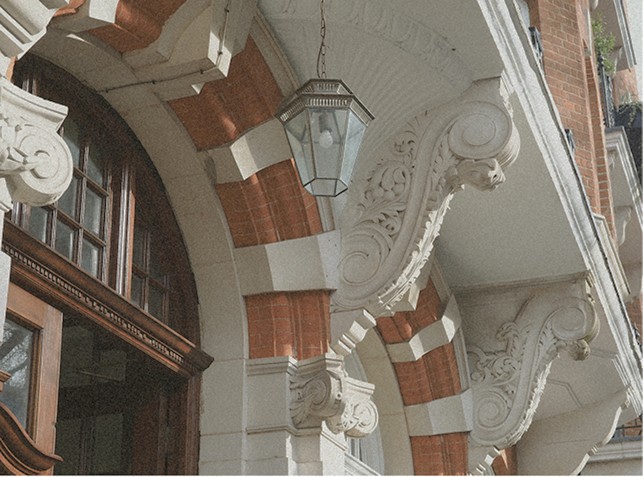
LONDONFW26
To see
( 01 )Russell Square — one of the neighbourhood’s historic gardens.
( 02 )Bedford Square — Georgian architecture surrounding one of its most distinctive squares.
( 03 )Bloomsbury Square — a garden and historic façades in the heart of central London.
( 04 )Lincoln’s Inn Fields — an expansive public square surrounded by historic architecture.
Into the West End
Soho & Covent Garden — London in Motion
Soho and Covent Garden concentrate the energy of the West End. During Fashion Week, that intensity becomes especially visible amid appointments, presentations and journeys across central London.
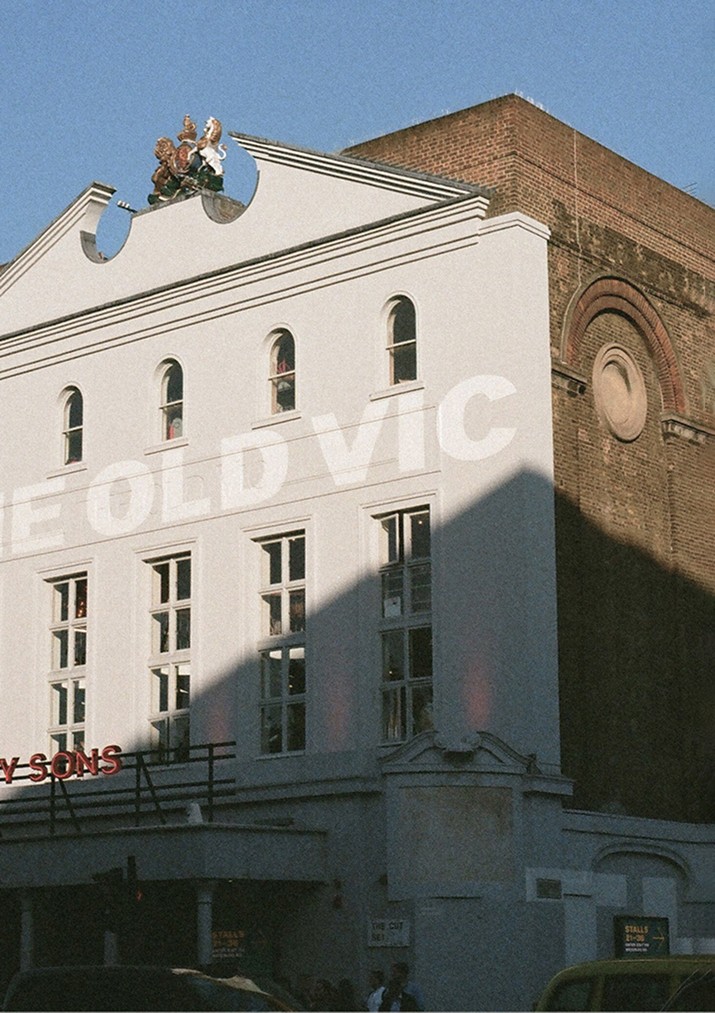
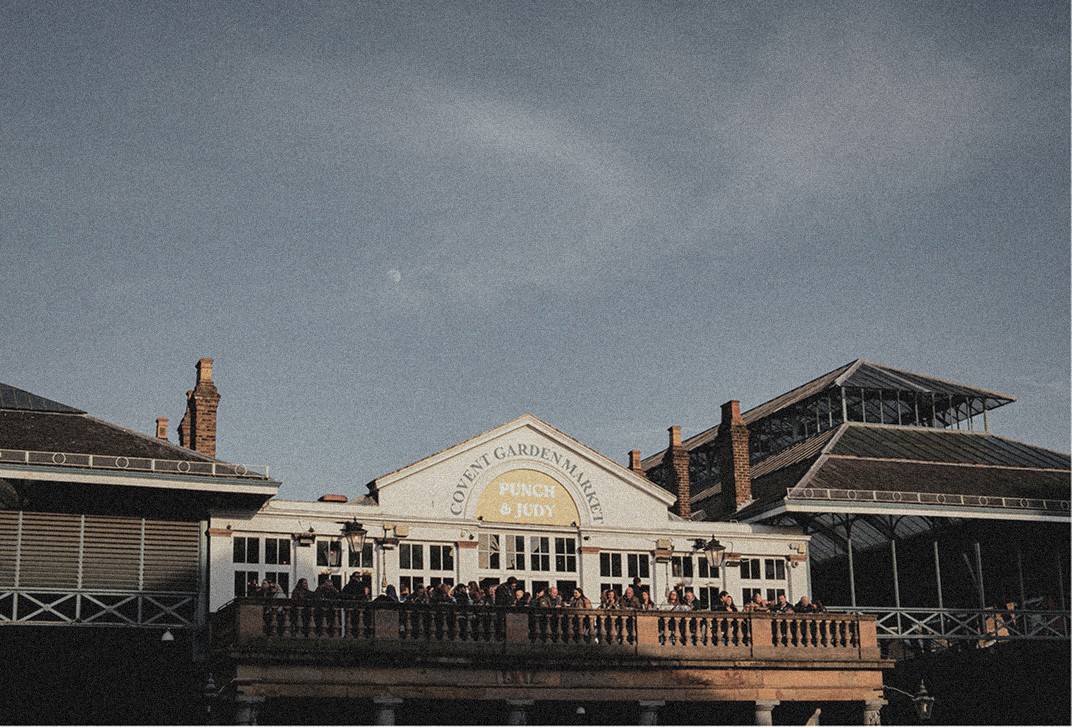
( 02 )Covent Garden Piazza
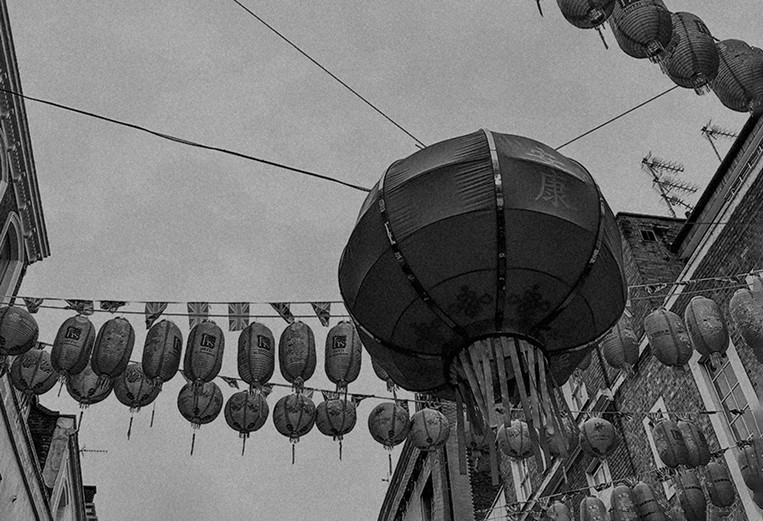
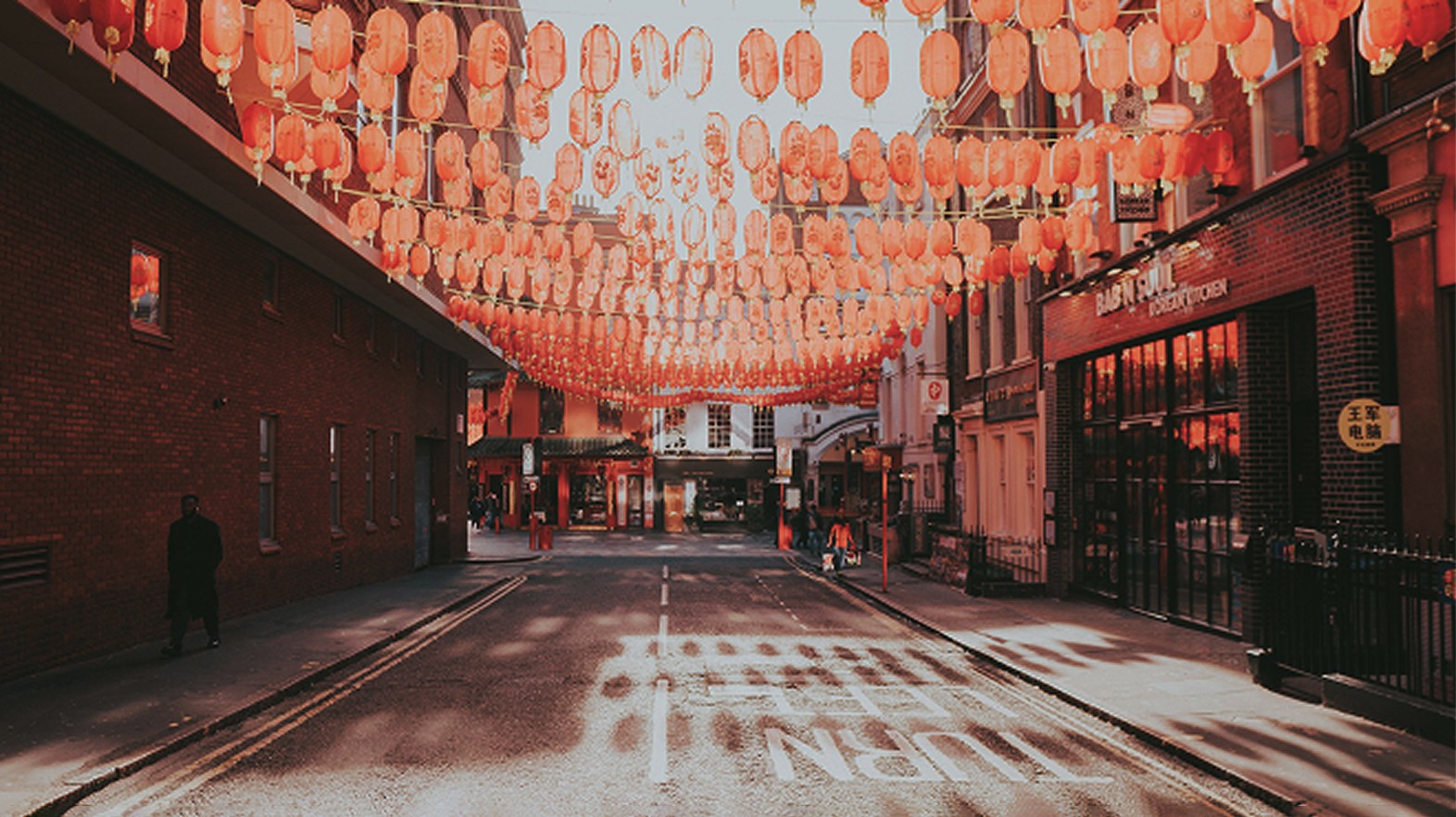
LONDONFW26
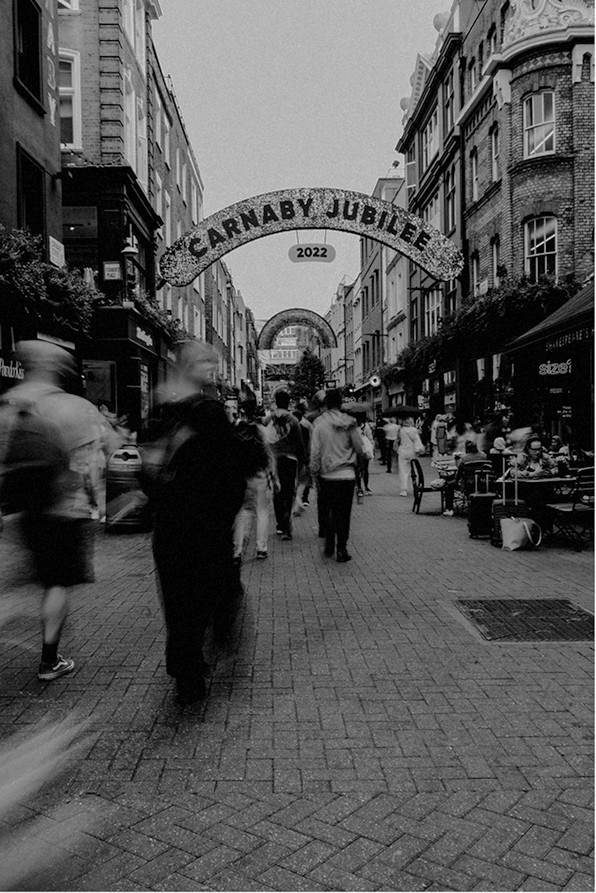
( 04 )Carnaby Street
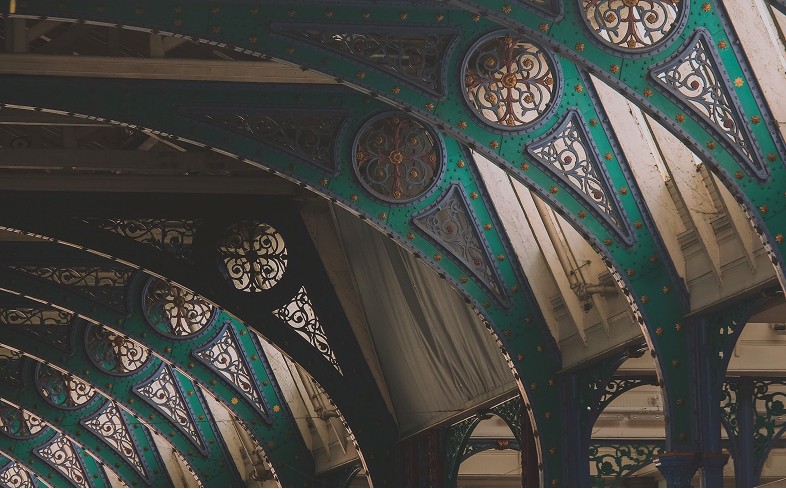
( 02 )Covent Garden Piazza
To see
( 01 )Seven Dials — seven streets converging around its distinctive column.
( 02 )Covent Garden Piazza — one of the West End’s historic urban spaces.
( 03 )Soho Square — a small garden surrounded by the pace of central London.
( 04 )Carnaby Street & Kingly Street — streets closely linked to the history of London fashion and youth culture.
End West
Chelsea & Belgravia — A Different Pace
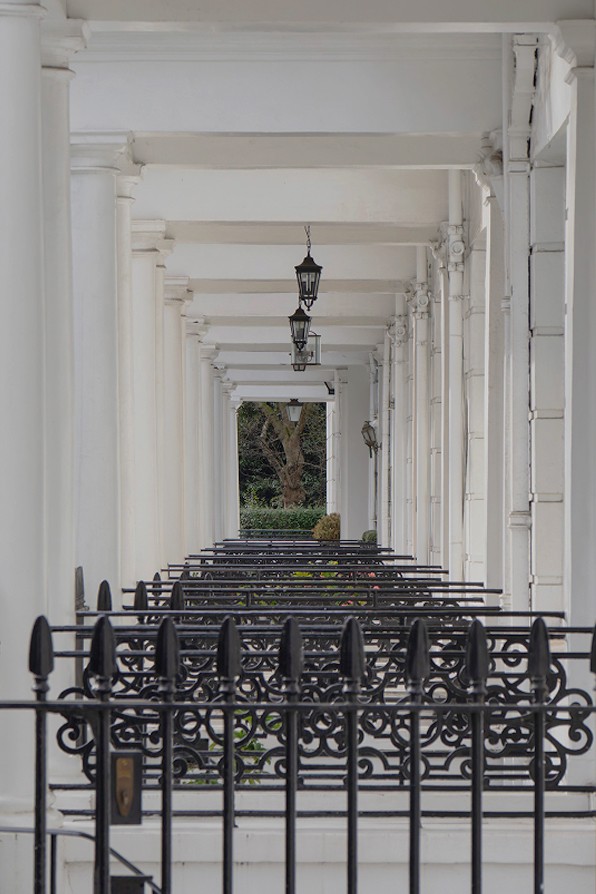
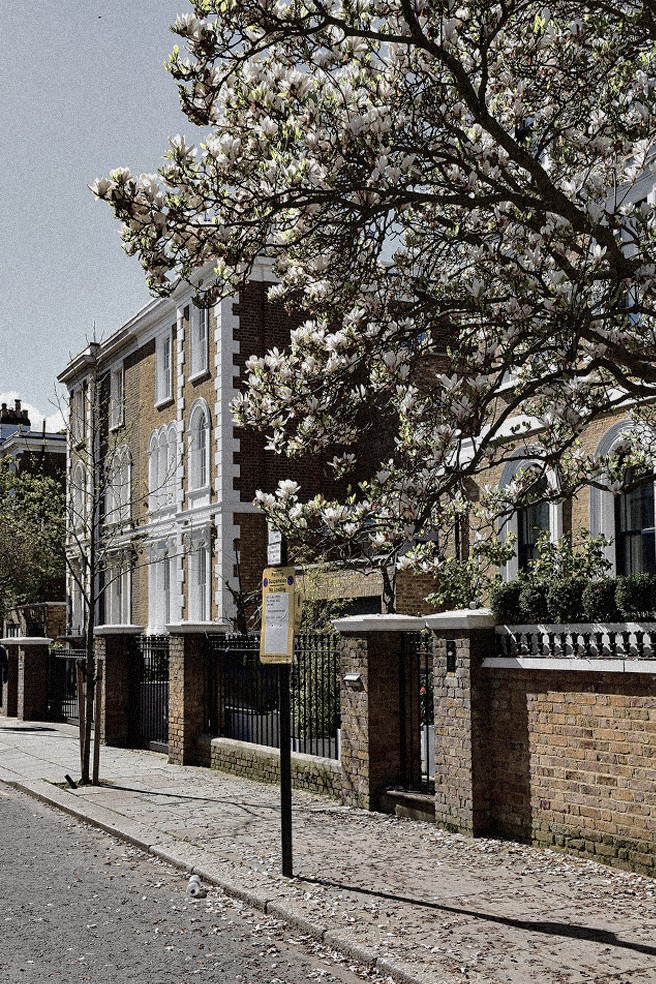
In the west, London becomes more residential. Townhouses, garden squares, stucco façades and tree-lined streets offer a counterpoint to the energy of Soho and East London.
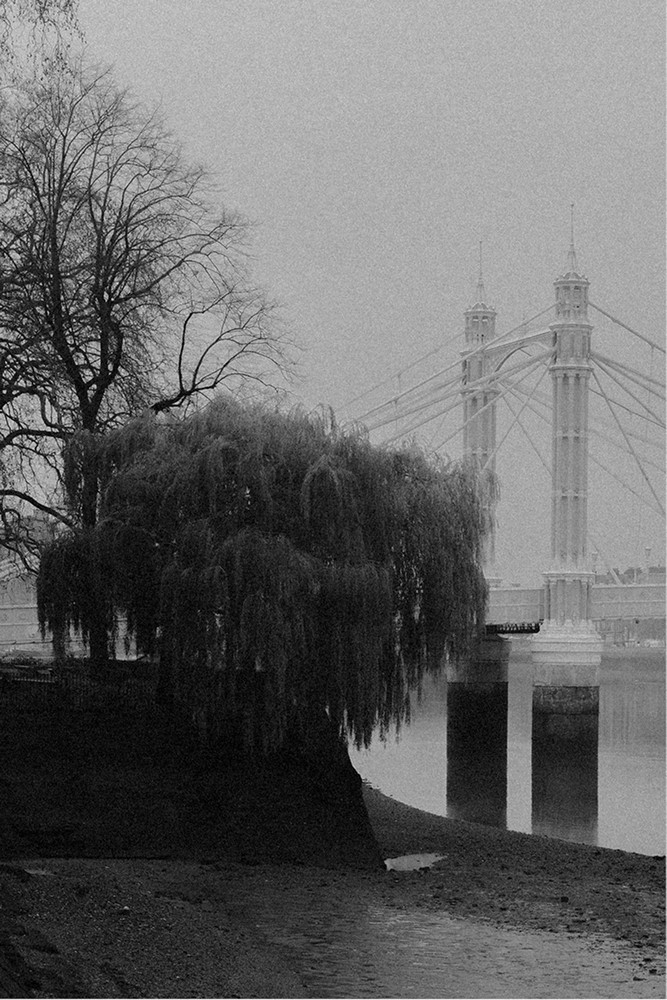
( 04 )Albert Bridge
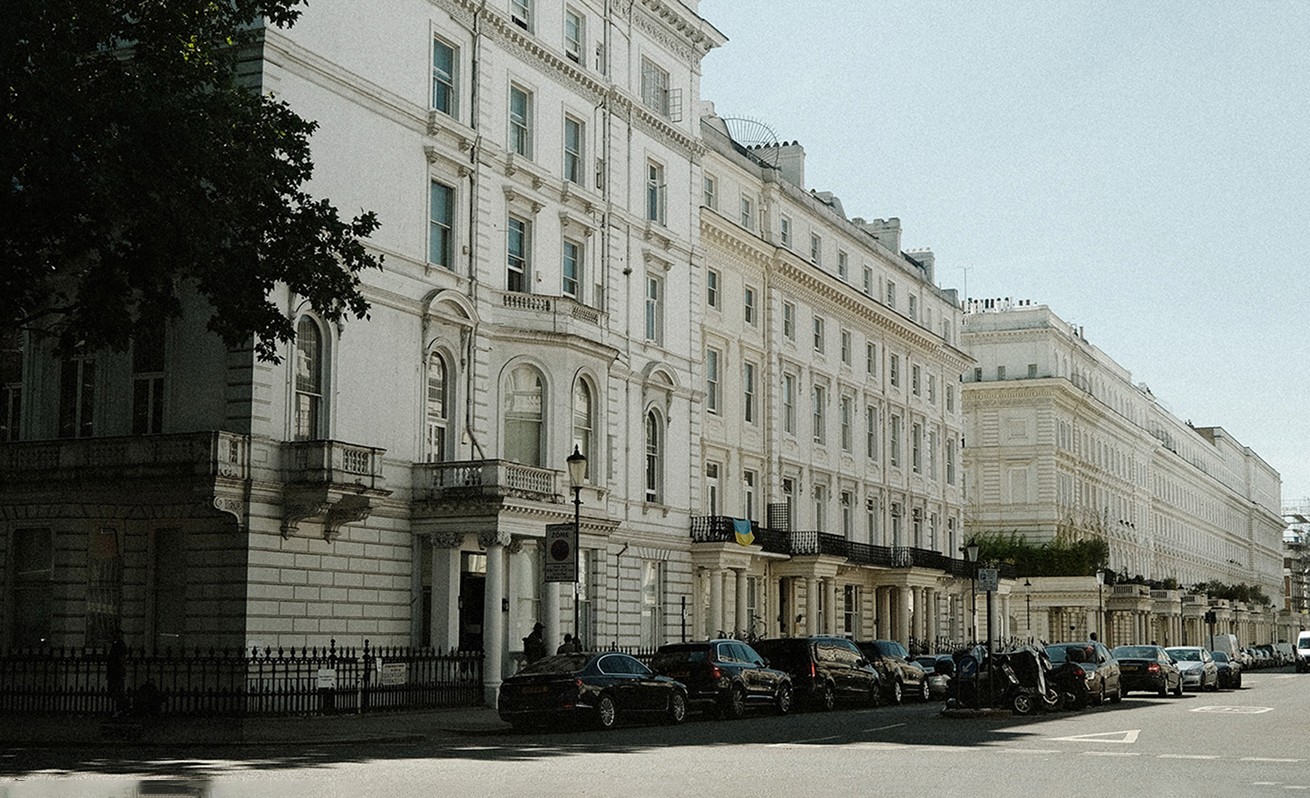
LONDONFW26
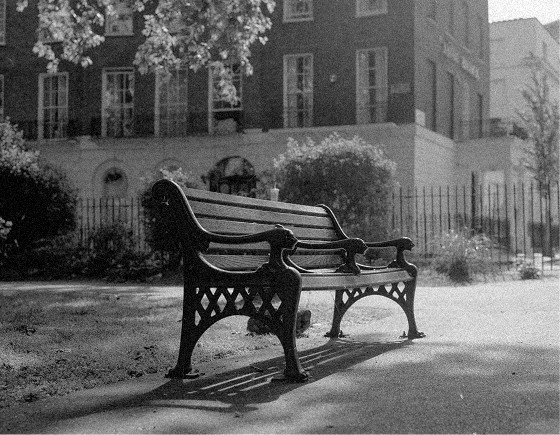
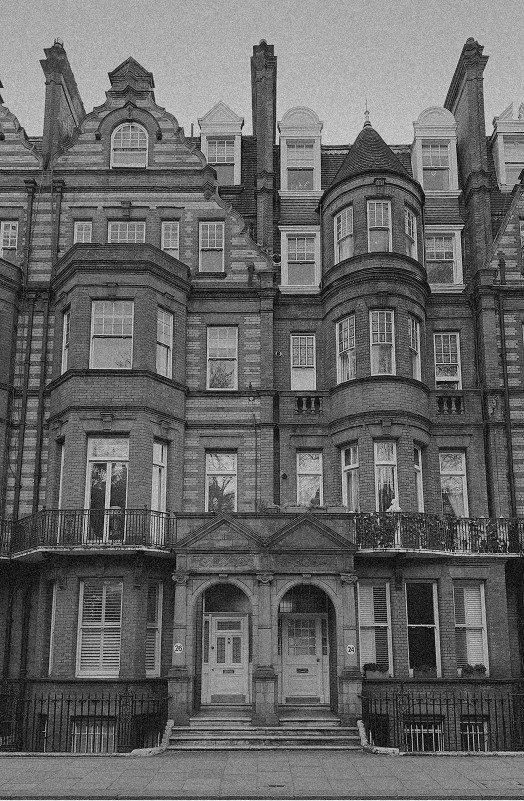
( 01 )Sloane Square
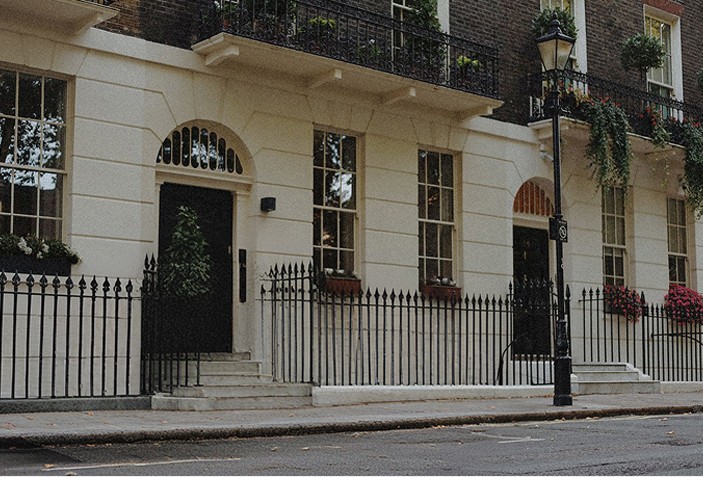
LONDONFW26
To see
( 01 )Sloane Square — a meeting point between Chelsea and Belgravia.
( 02 )Royal Hospital Road — historic architecture and residential character.
( 03 )Chelsea Embankment — trees, architecture and views towards the Thames.
( 04 )Albert Bridge — one of the river’s most recognisable silhouettes.
Between shows
# Where to Eat
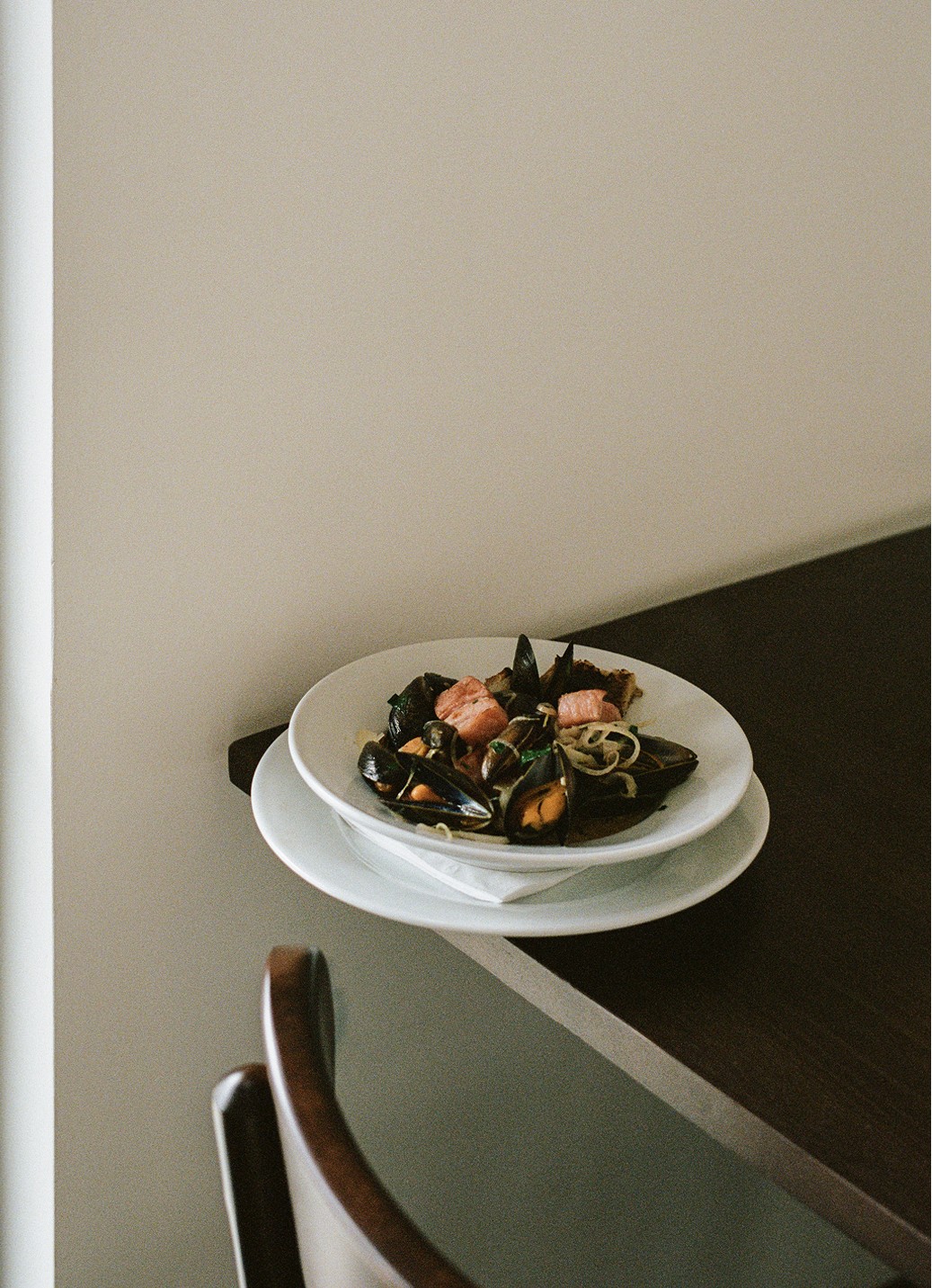
Maureen Martinez-Evans @maureenme
( 01 )Café Cecilia · Hackney — Max Rocha’s personal take on East London cooking: simple, contemporary and connected to the neighbourhood’s creative sensibility.
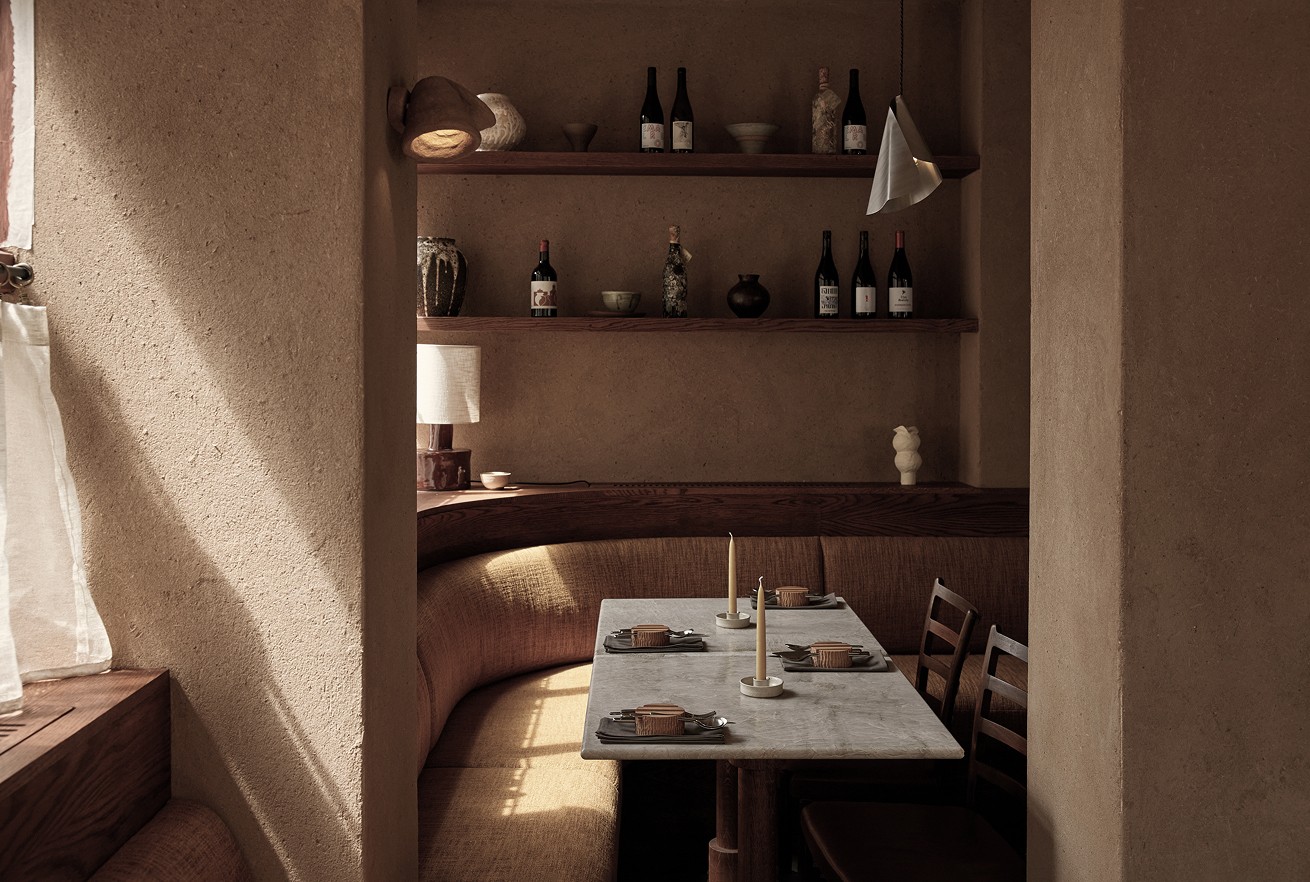
© Safia Shakarchi
( 02 )Plates · Old Street — Contemporary, experimental plant-based cuisine, in tune with the creative character of East London.
Where to Sleep
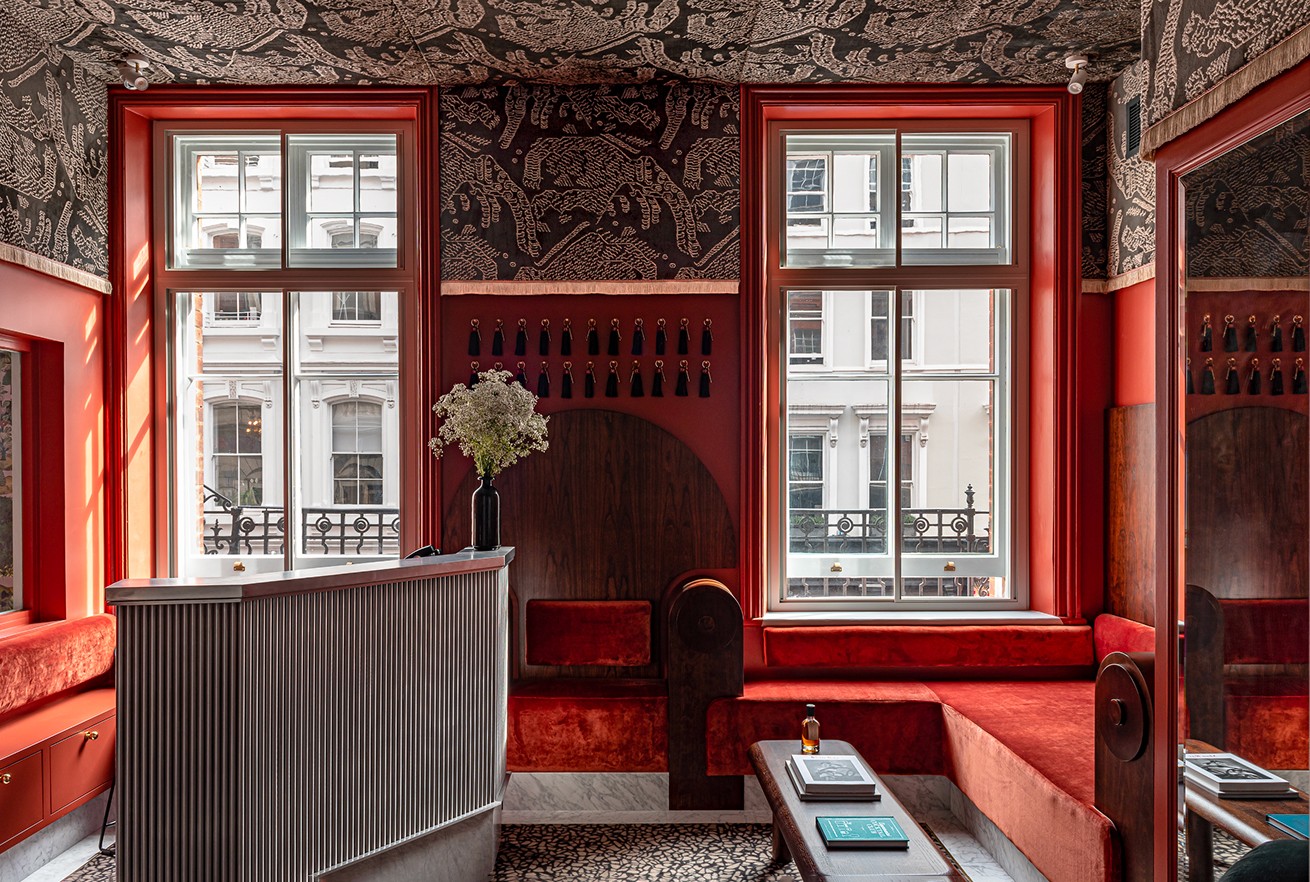
Patrick Locqueneux & Mr Tripper
( 01 )Henrietta Experimental · Covent Garden — An intimate hotel set in Georgian buildings, with interiors by Dorothée Meilichzon and an ideal location for exploring central London on foot.
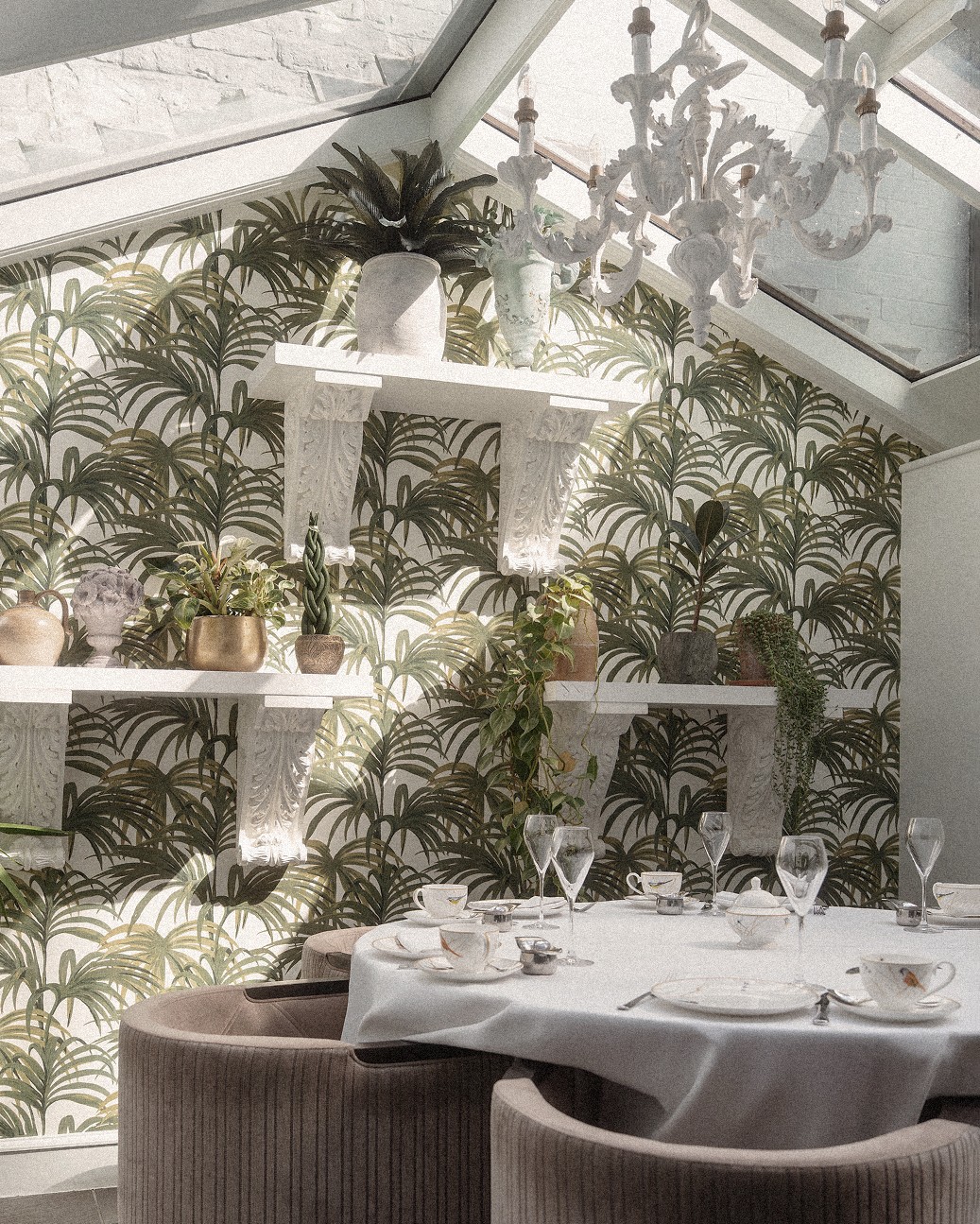
Courtesy of Iconic Hotels Resorts
( 02 )11 Cadogan Gardens · Chelsea — Townhouses, British character and a more residential atmosphere just a few steps from Sloane Square.