
Milan Documentary – Fashion Week
Milan understands style as a way of life. During Fashion Week, we explore a city where fashion, architecture and design share the same language.
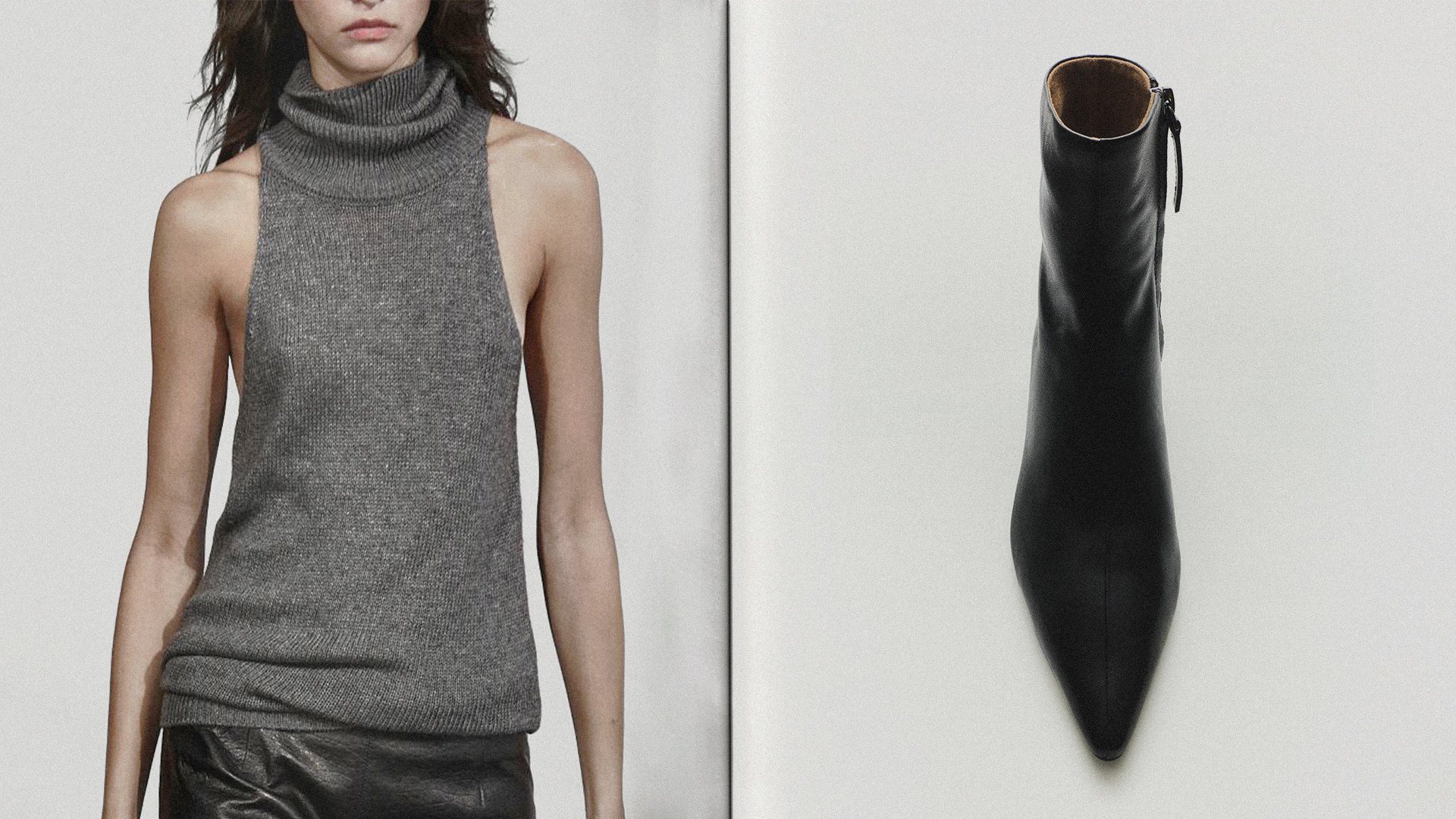
The Look
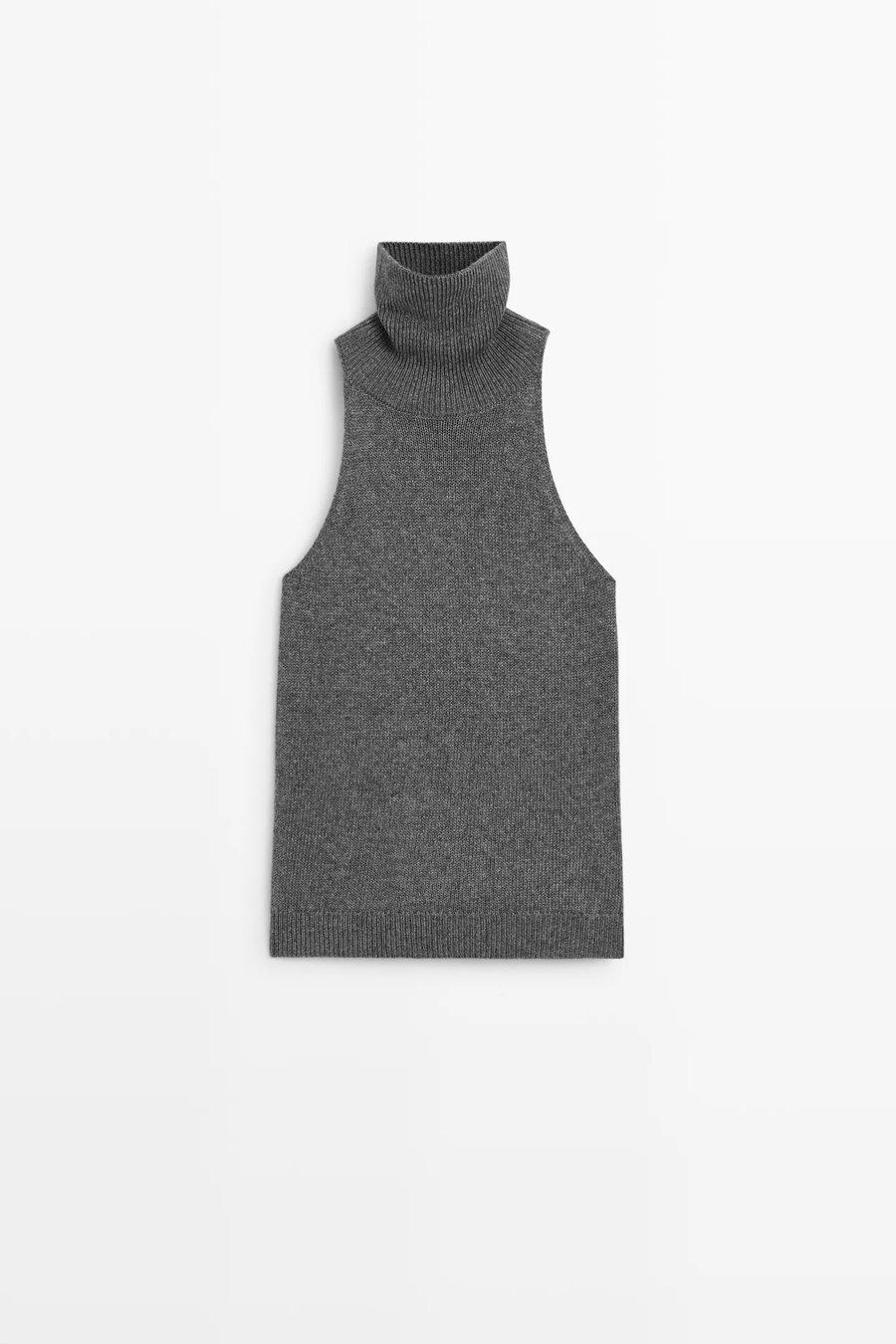
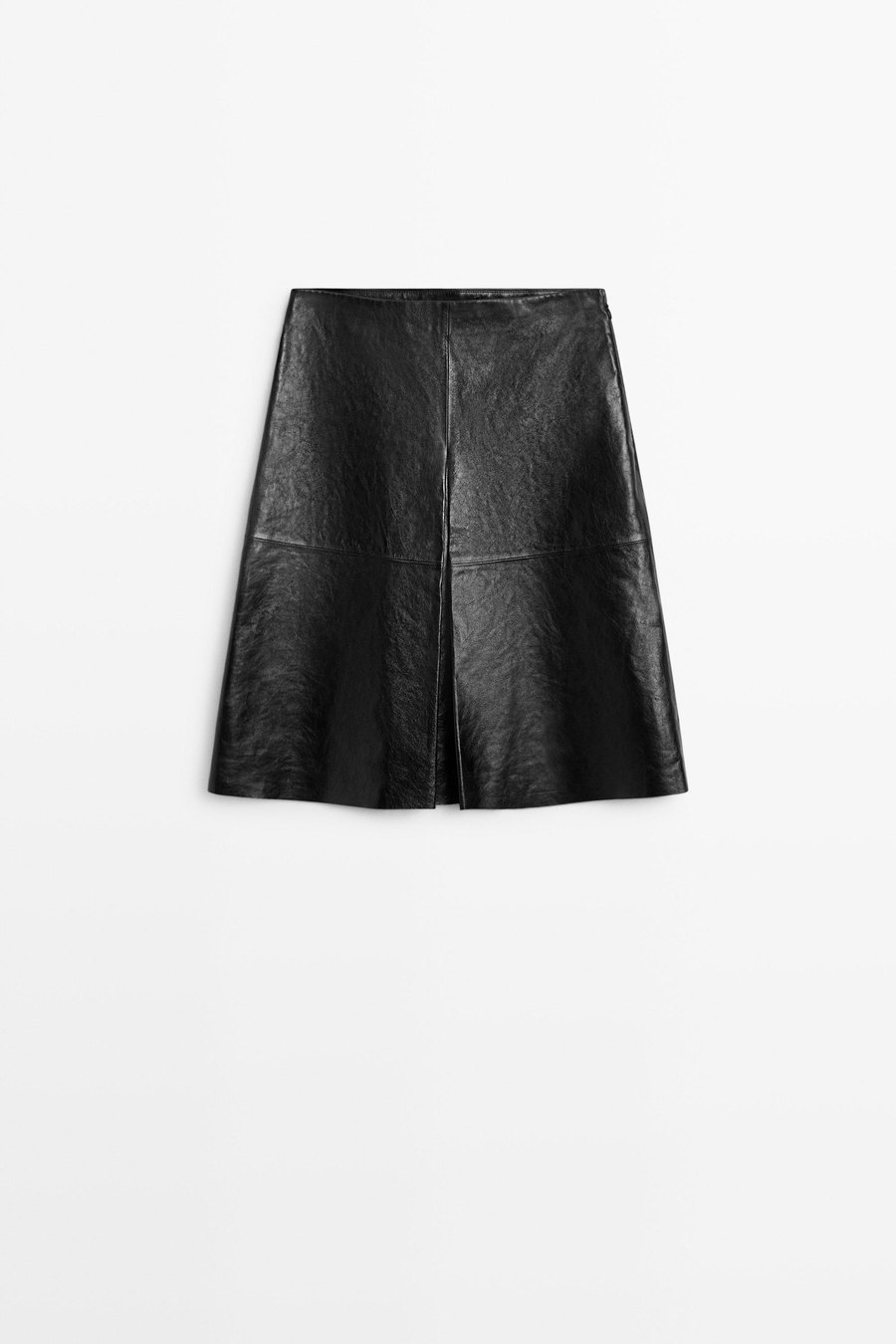
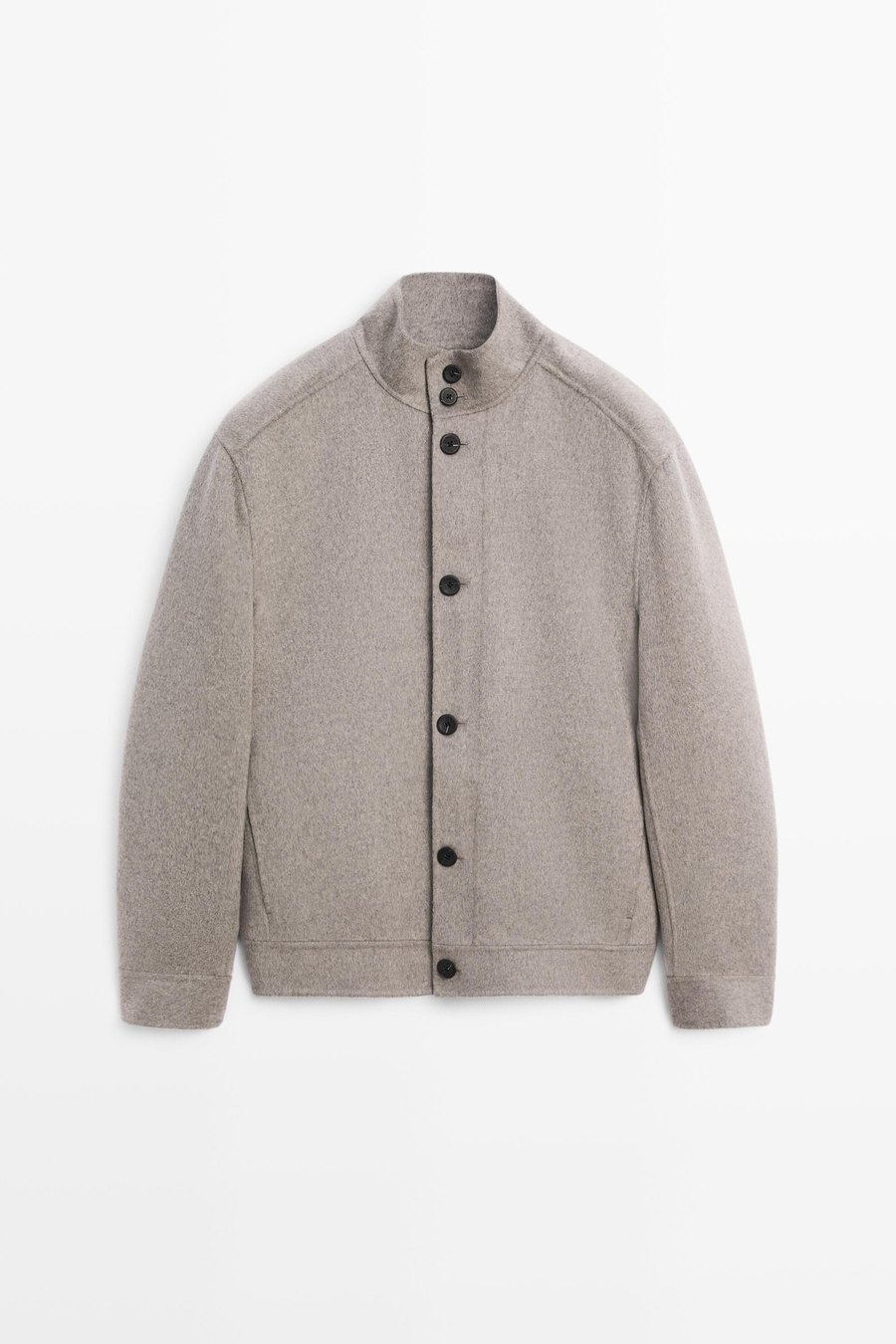
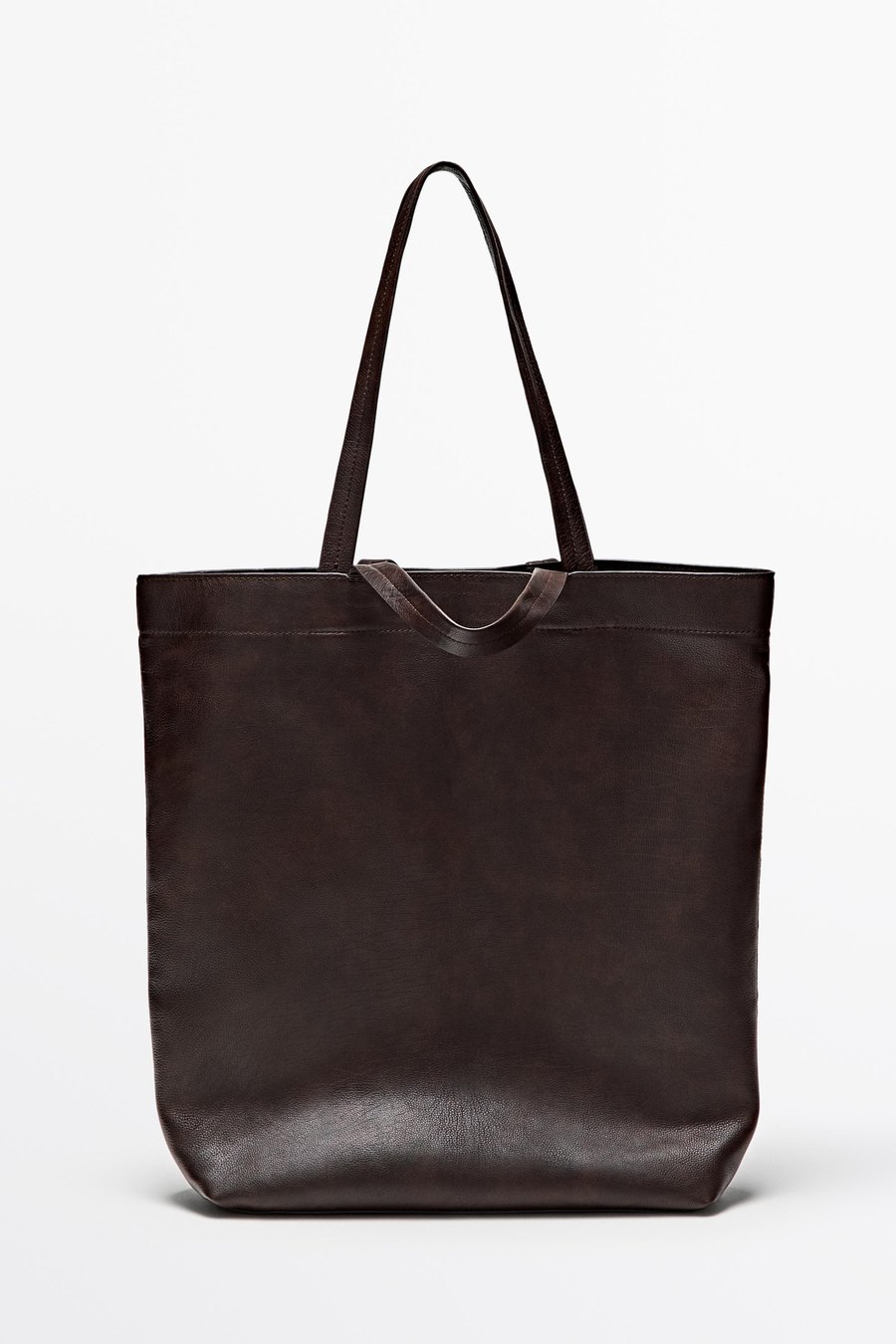
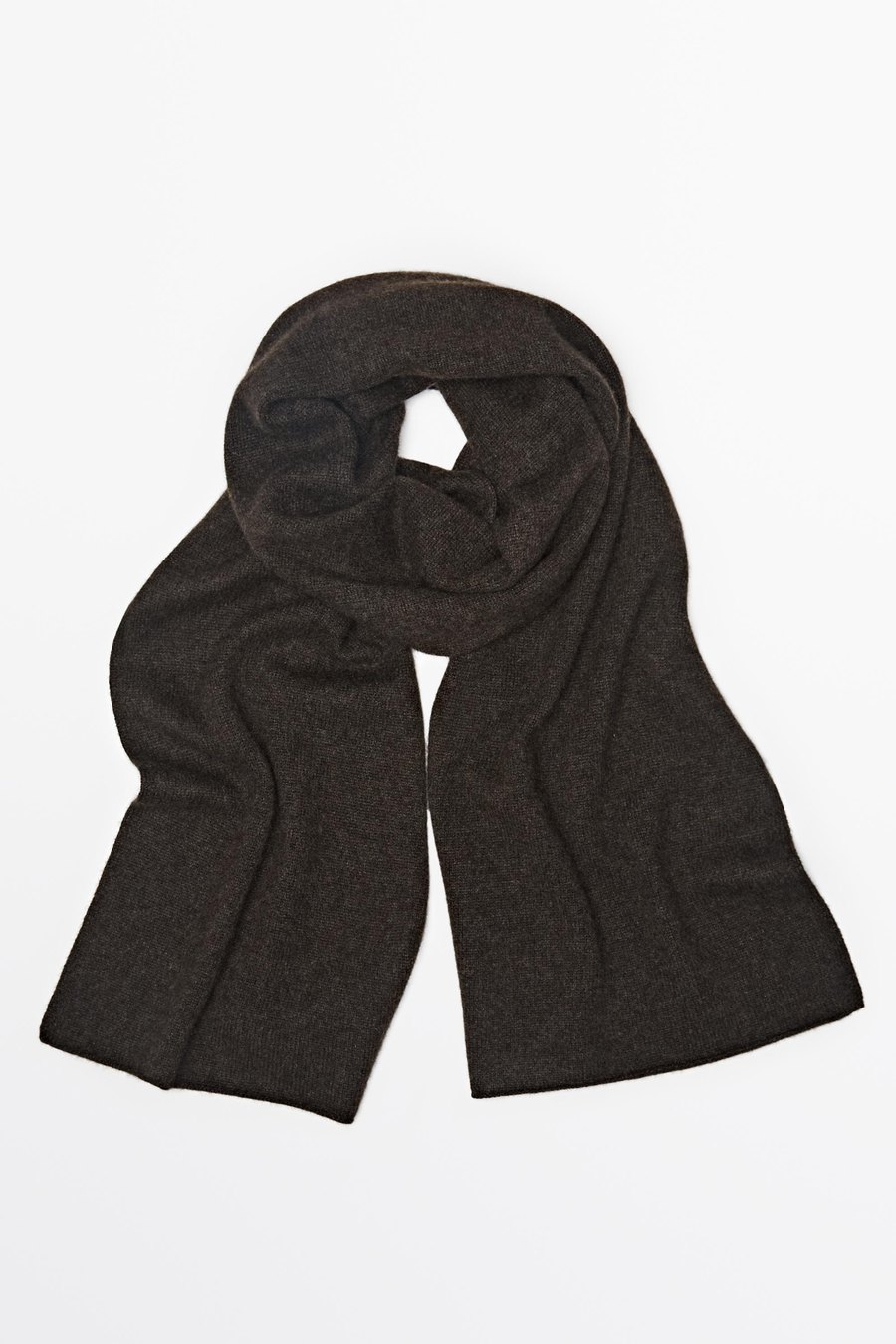
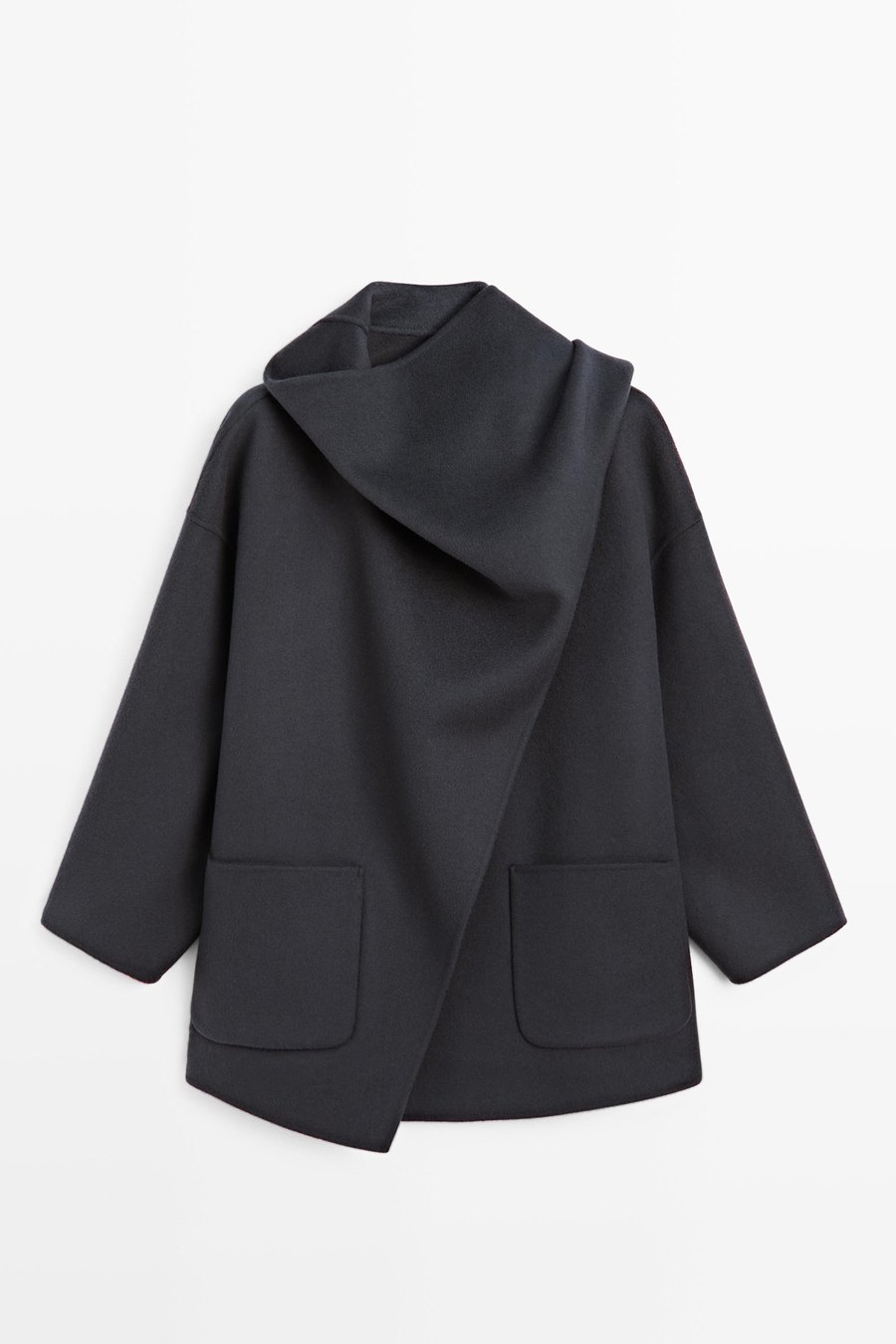
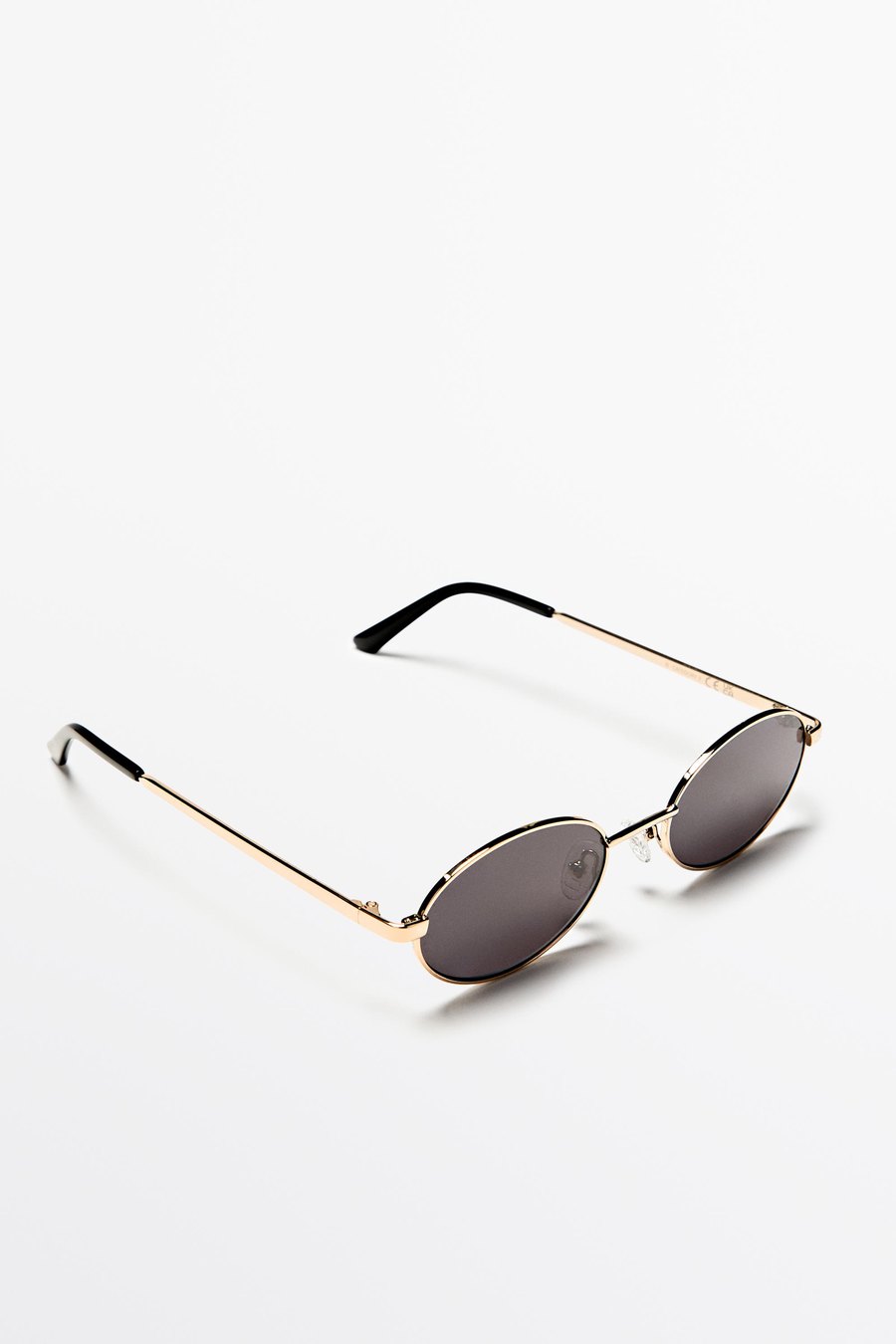
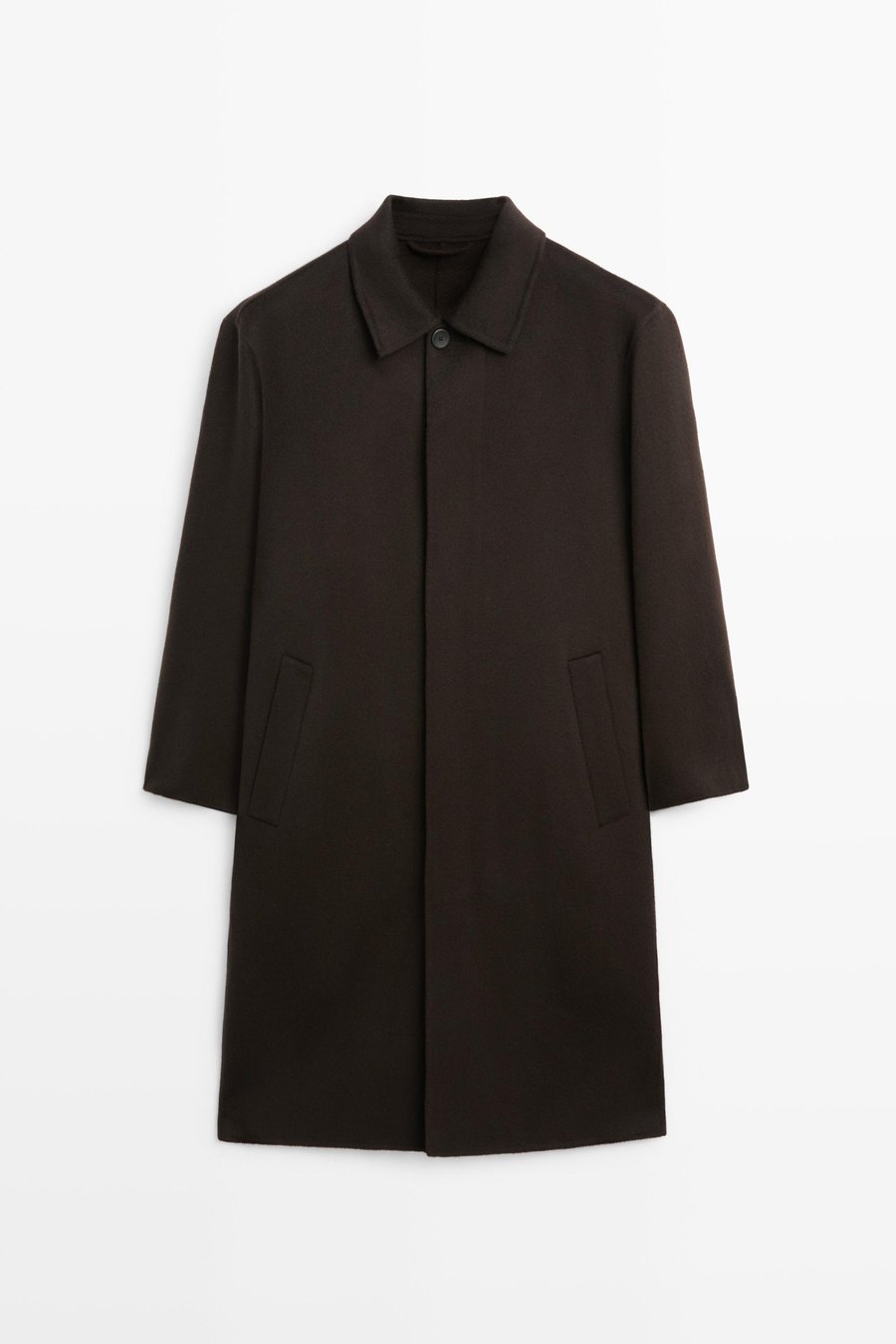
What to wear to Milan Fashion Week
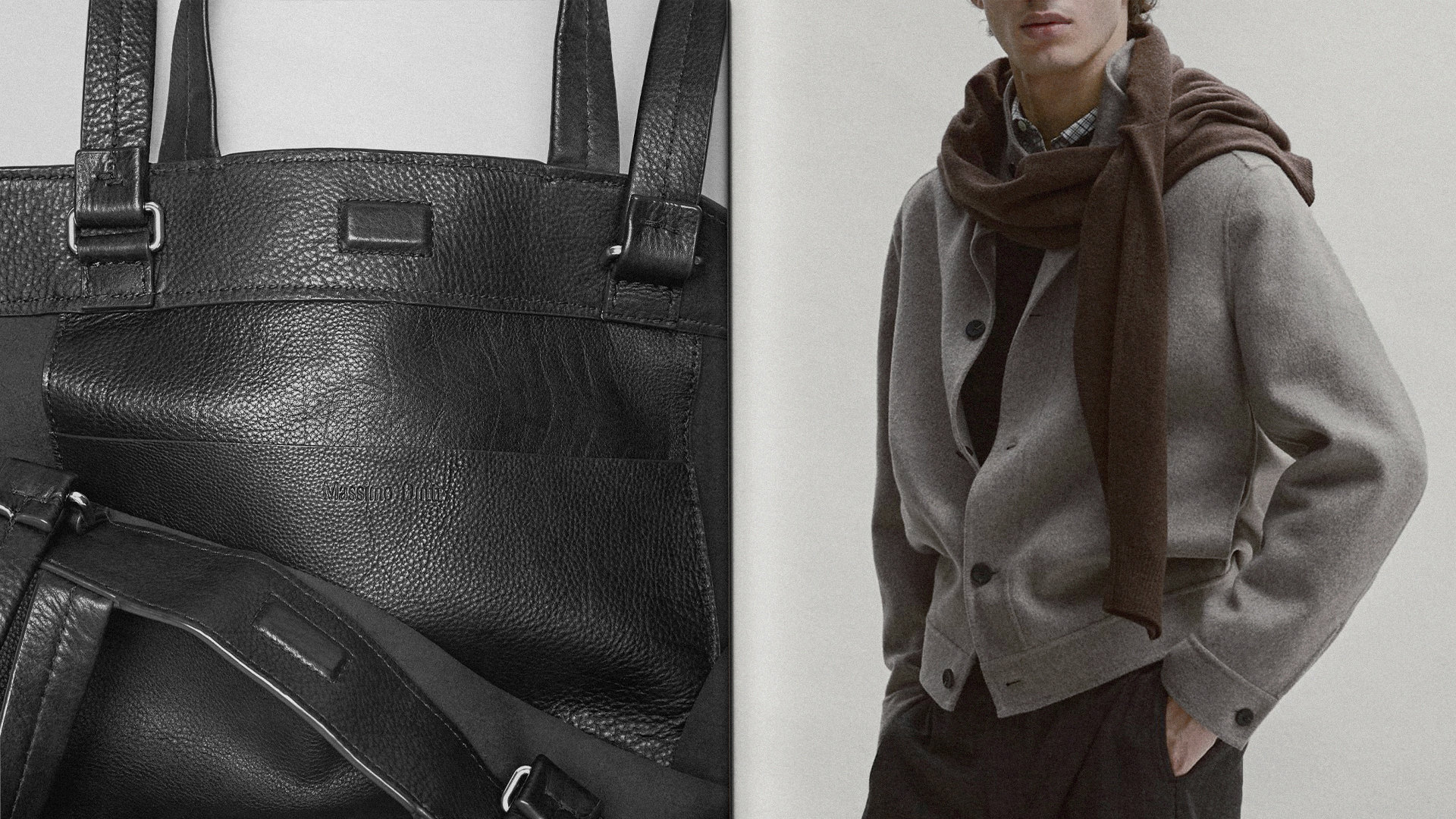
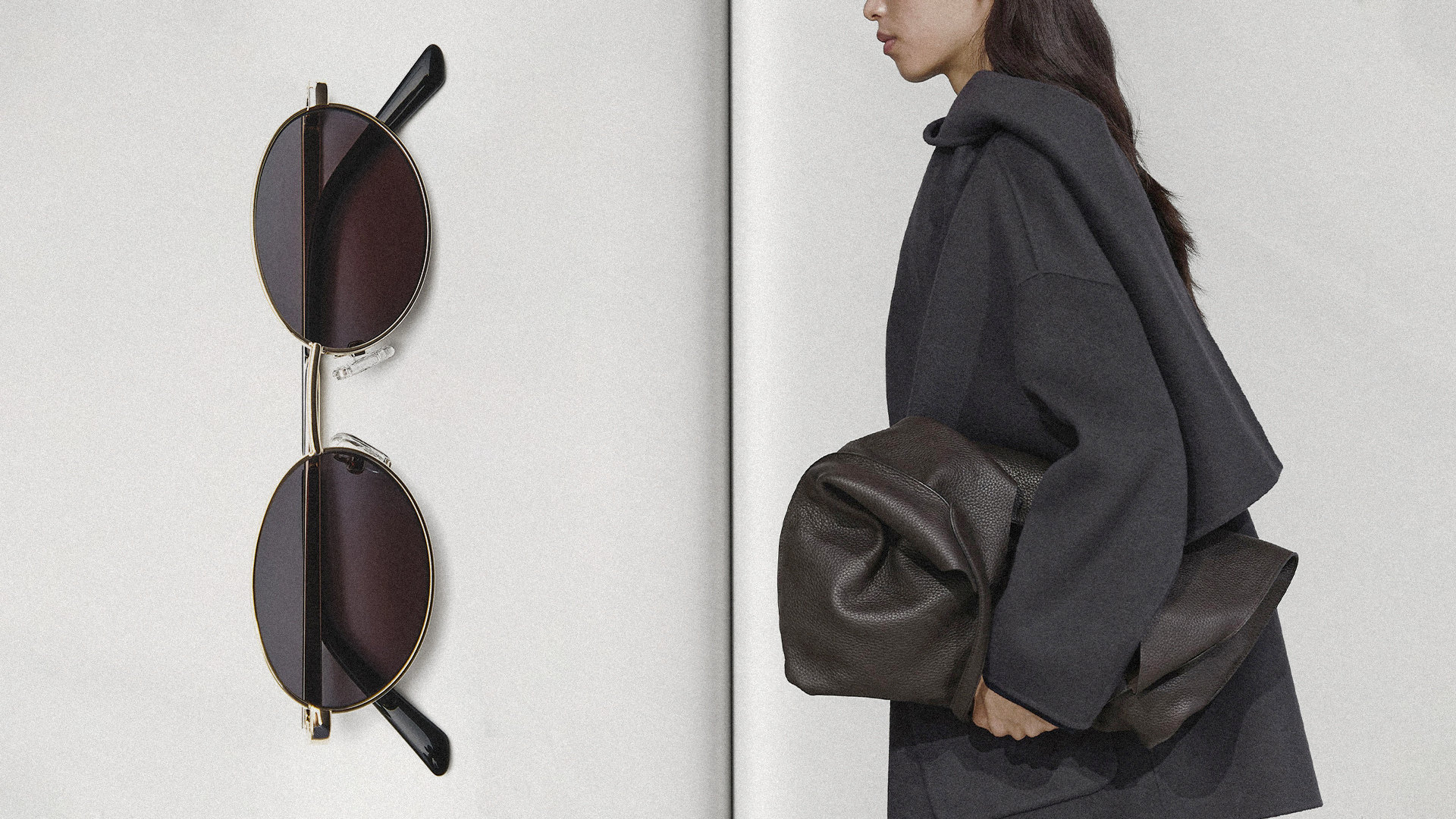
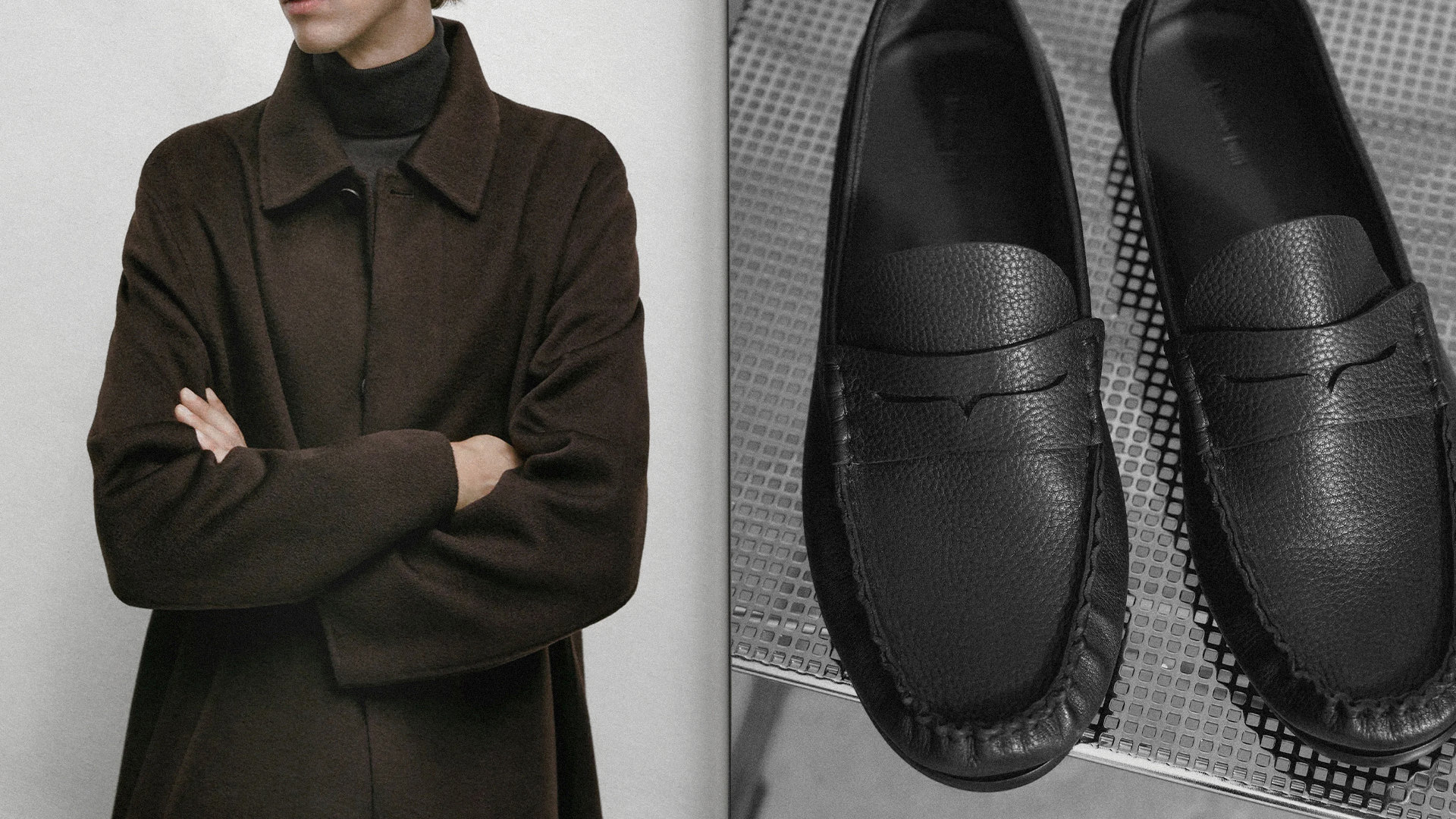
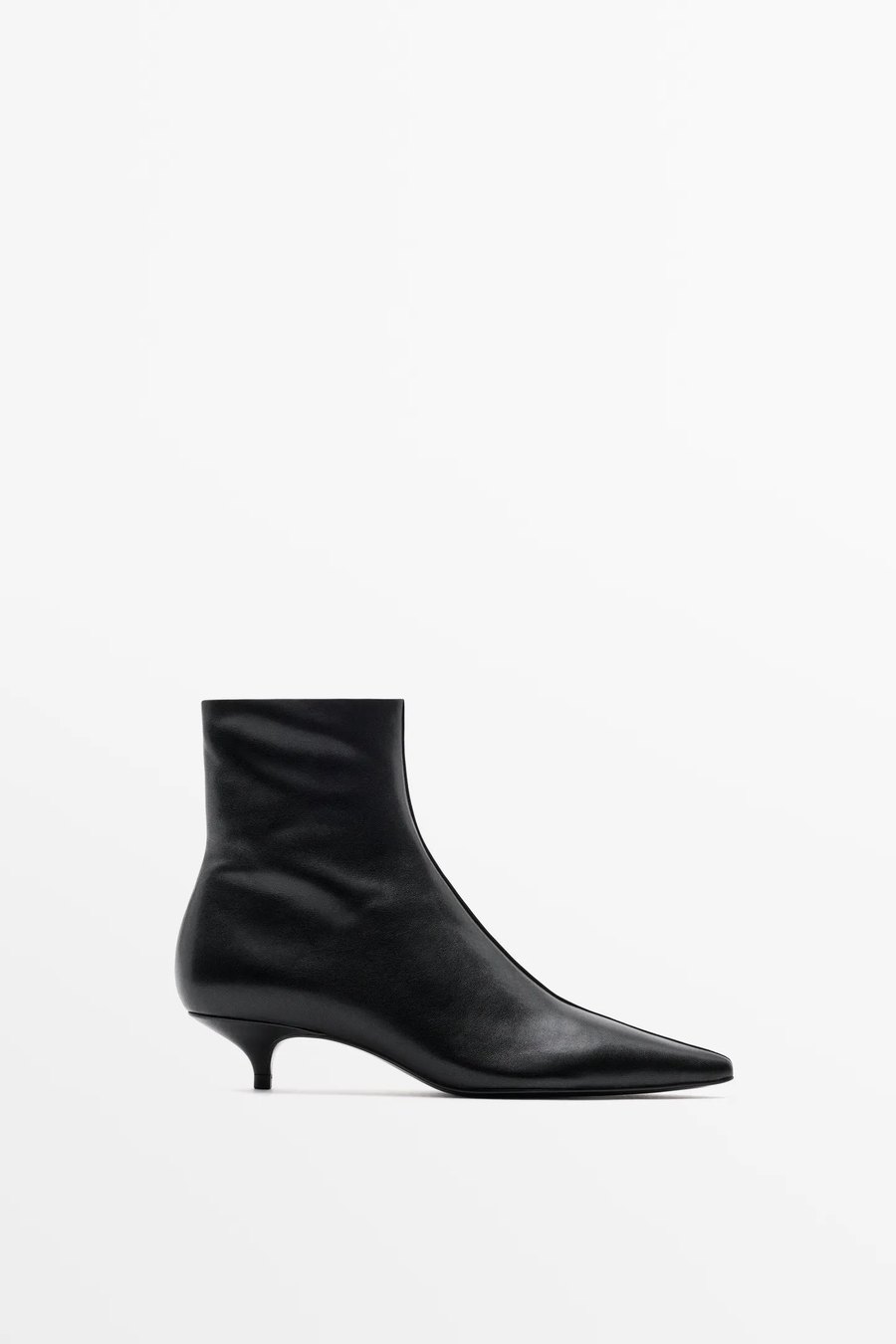
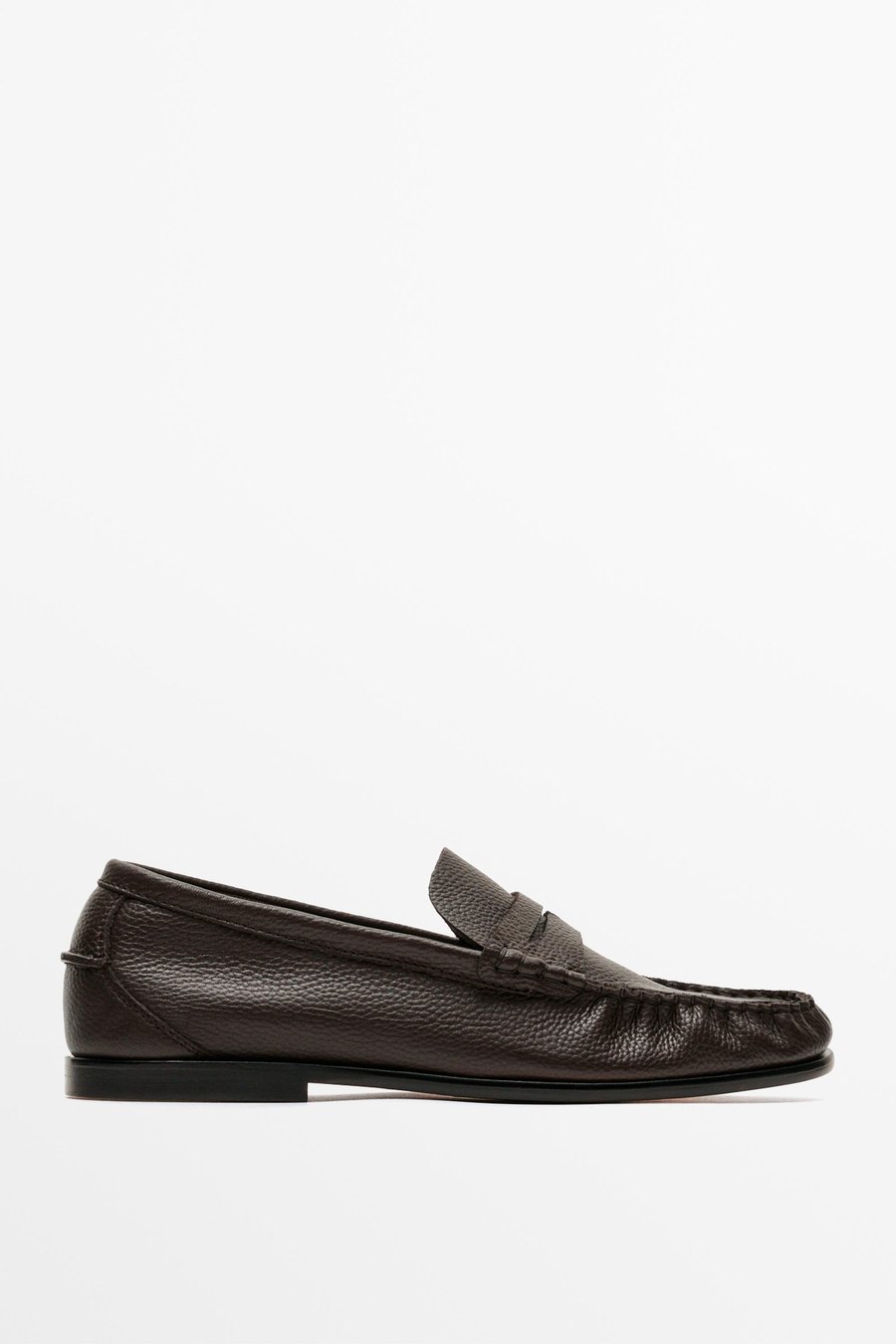
A Fashion Week City Guide
byMassimo Dutti Paper
Fashion Week offers a new excuse to visit Milan. From Brera’s cobbled streets to the contemporary skyline of Porta Nuova, the route reveals different ways of experiencing the same city.
Start in the Centre
Brera — Classic Milan
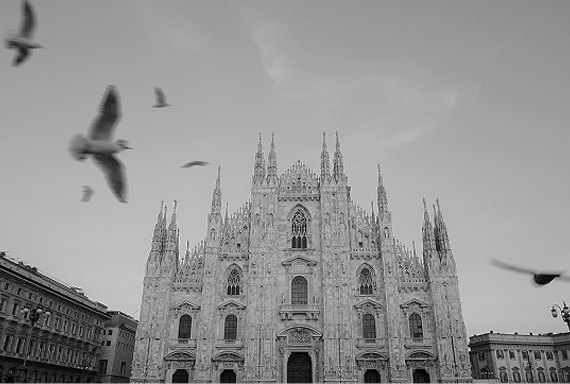
Brera captures much of Milan’s identity. Cobbled streets, courtyards glimpsed behind façades and historic buildings create an elegant, intimate setting that is easy to explore on foot.
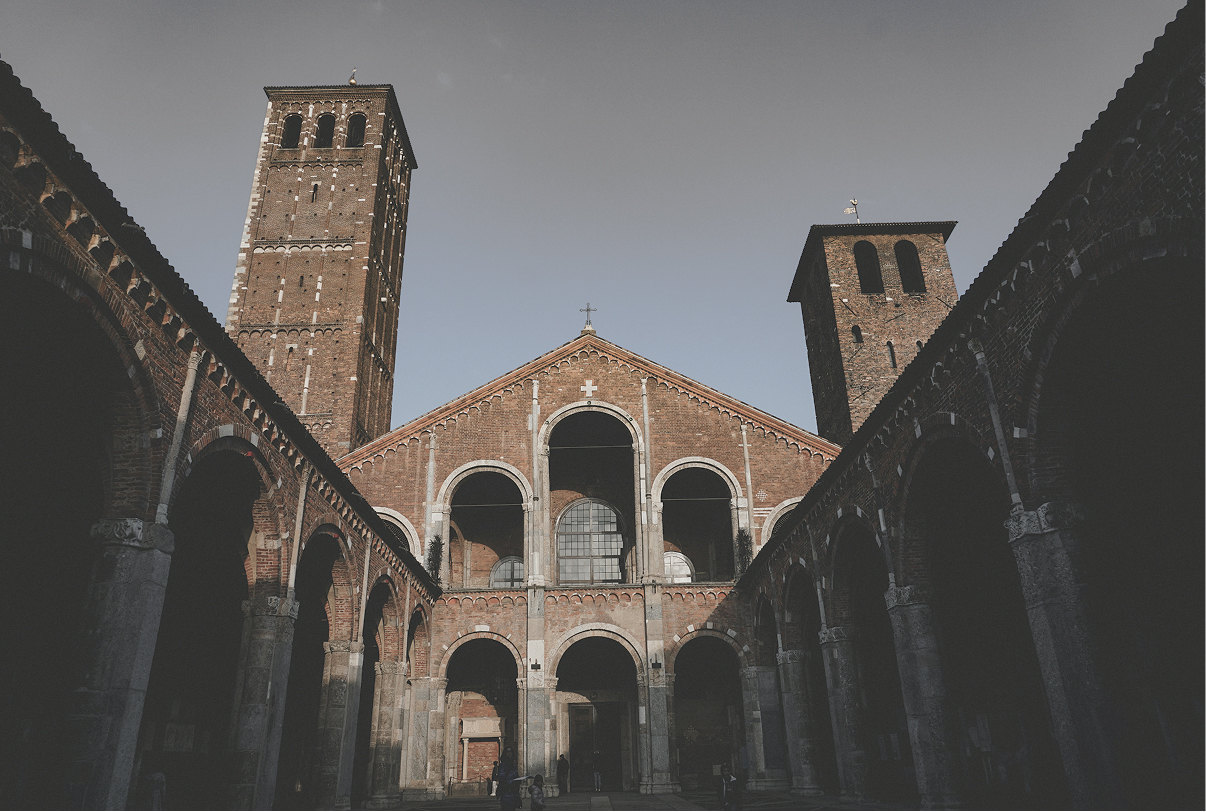
MILANFW26
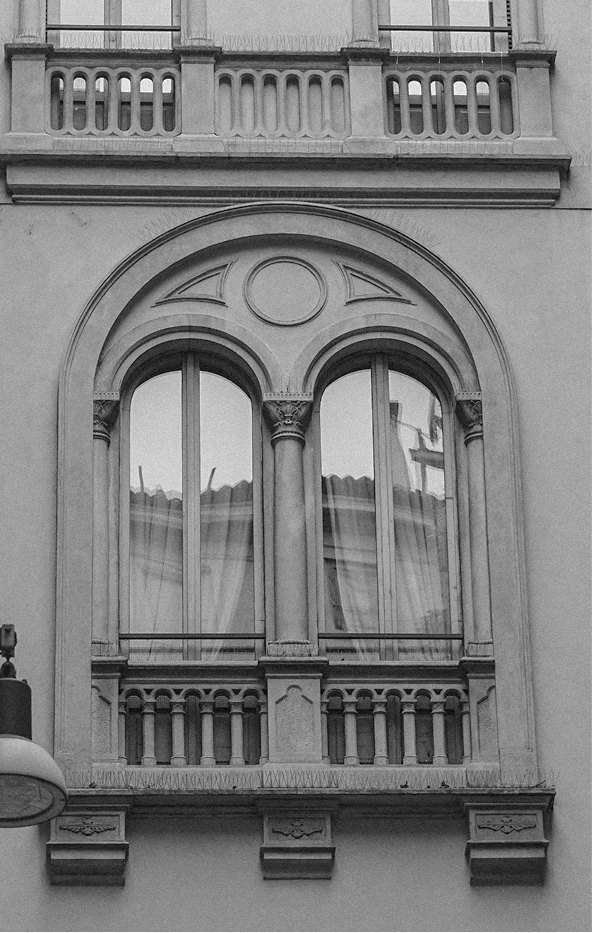
( 02 )Via Fiori Chiari
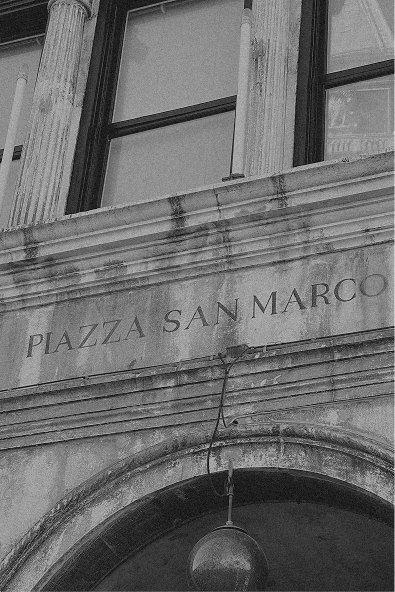
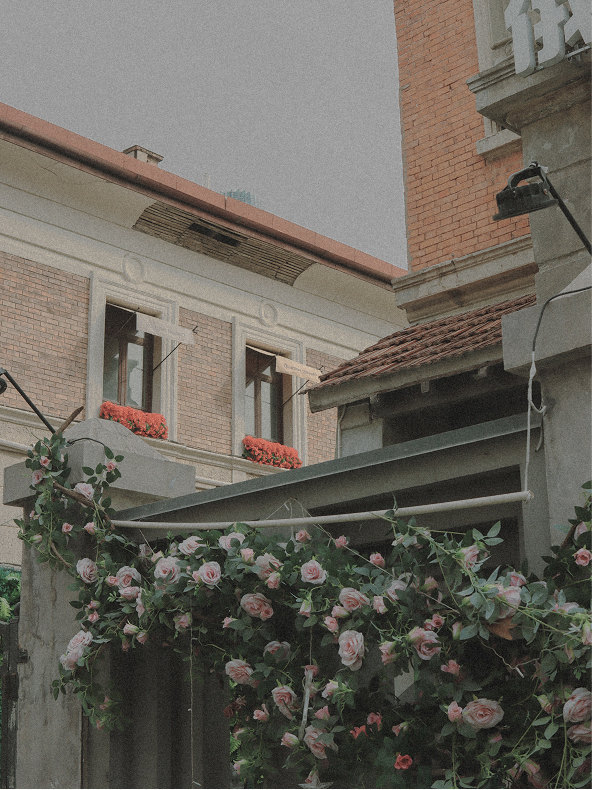
( 03 )Piazza San Marco
MILANFW26
To see
( 01 )Via Brera — one of the streets that best captures the scale and historic character of the neighbourhood.
( 02 )Via Fiori Chiari and Via Fiori Oscuri — cobblestones, traditional façades and lively little intersections.
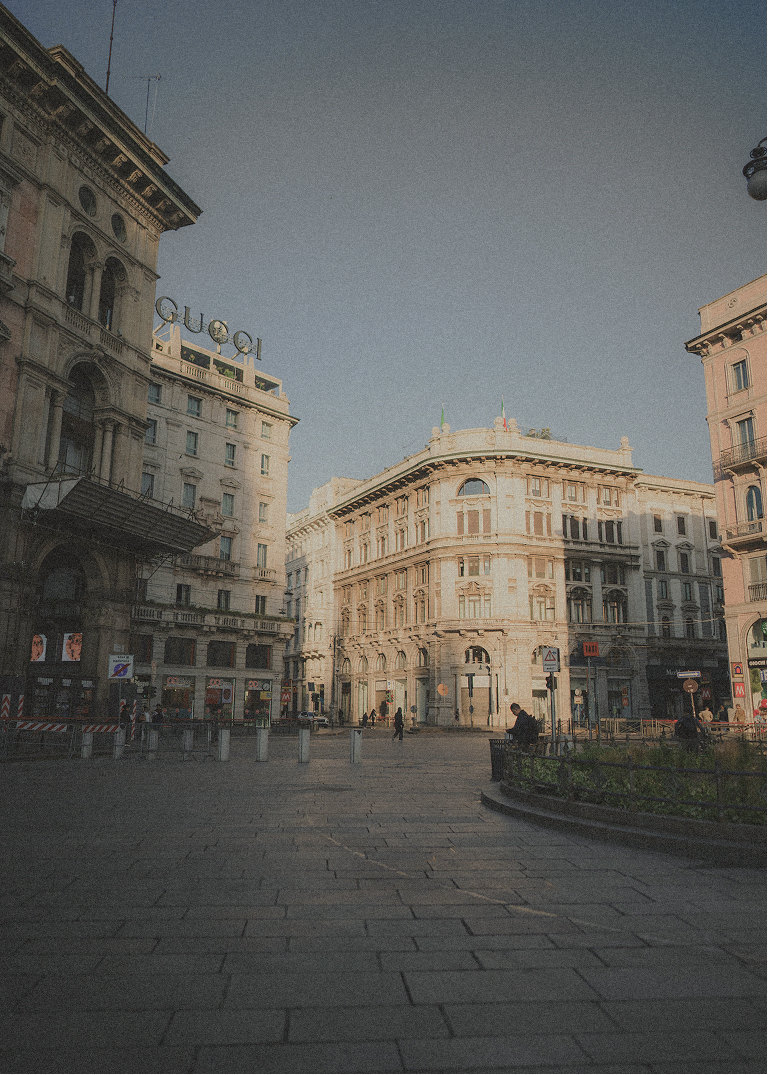
( 03 )Piazza San Marco — a quiet pause between Brera and Porta Nuova.
( 04 )Via Madonnina — a narrow street for discovering a more intimate side of Milan on foot.
MILANFW26
The Fashion District
Quadrilatero and Porta Venezia — Fashion and Architecture
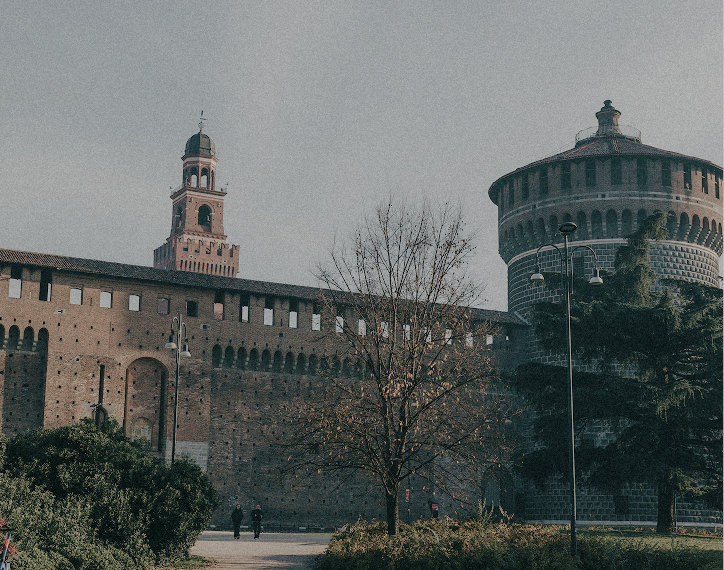
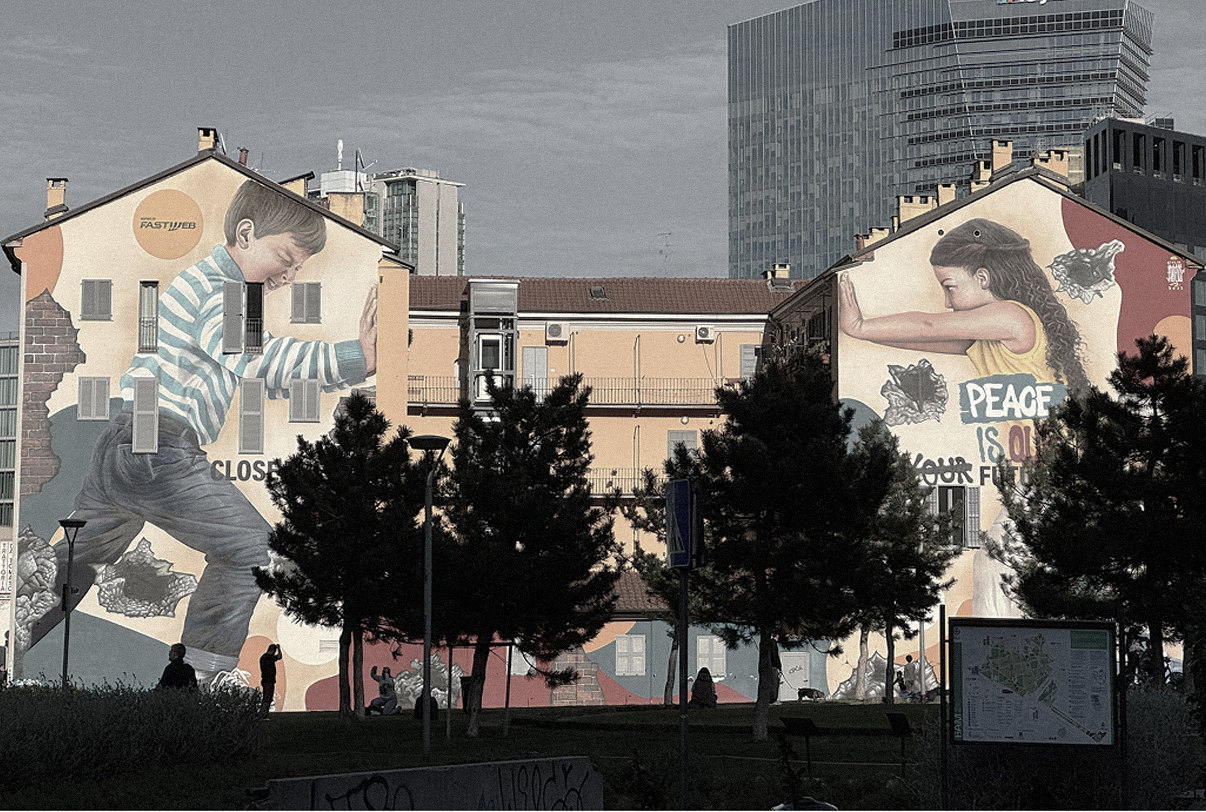
Heading east, Milan becomes more closely connected to fashion. The Quadrilatero combines historic façades, courtyards and a distinctive urban elegance, while Porta Venezia introduces Liberty architecture and a more diverse, contemporary energy.
During Fashion Week, this axis takes on a special rhythm, with appointments, presentations and shows unfolding across different locations in the area.
To see
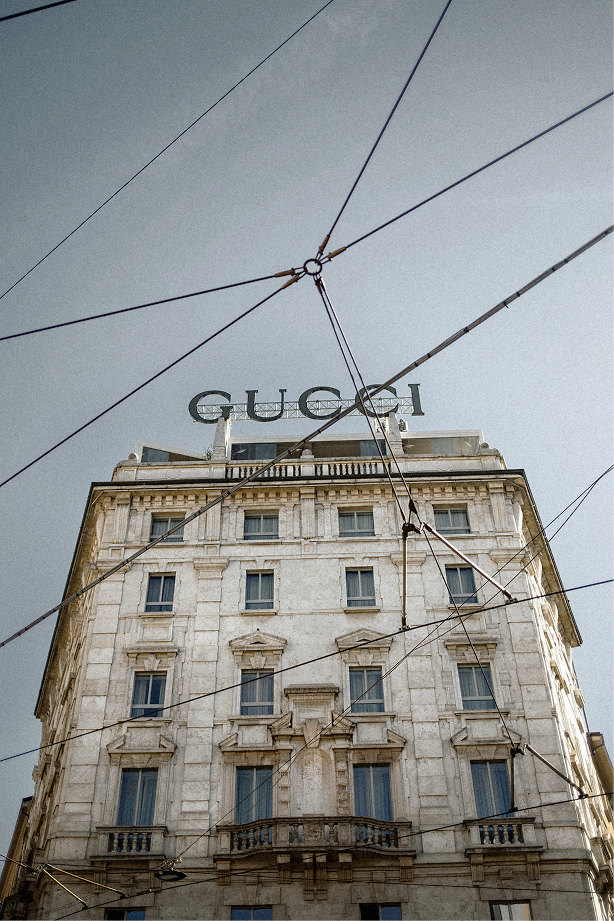
( 01 )Via della Spiga — architecture, fashion and one of the Quadrilatero’s most distinctive perspectives.
( 02 )Via Gesù — a quieter street for observing façades and details of the historic centre.
( 03 )Corso Venezia — an avenue where palazzi, gardens and architecture from different periods coexist.
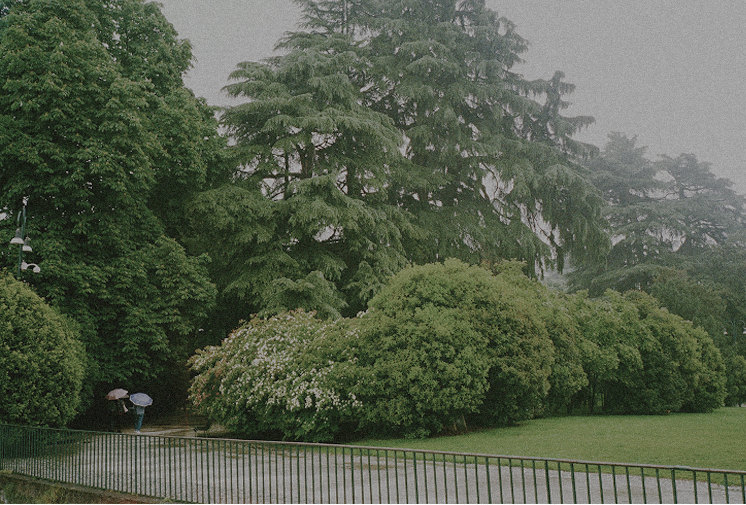
( 04 )Giardini Indro Montanelli — a green pause within the rhythm of the city.
MILANFW26
The New Milan
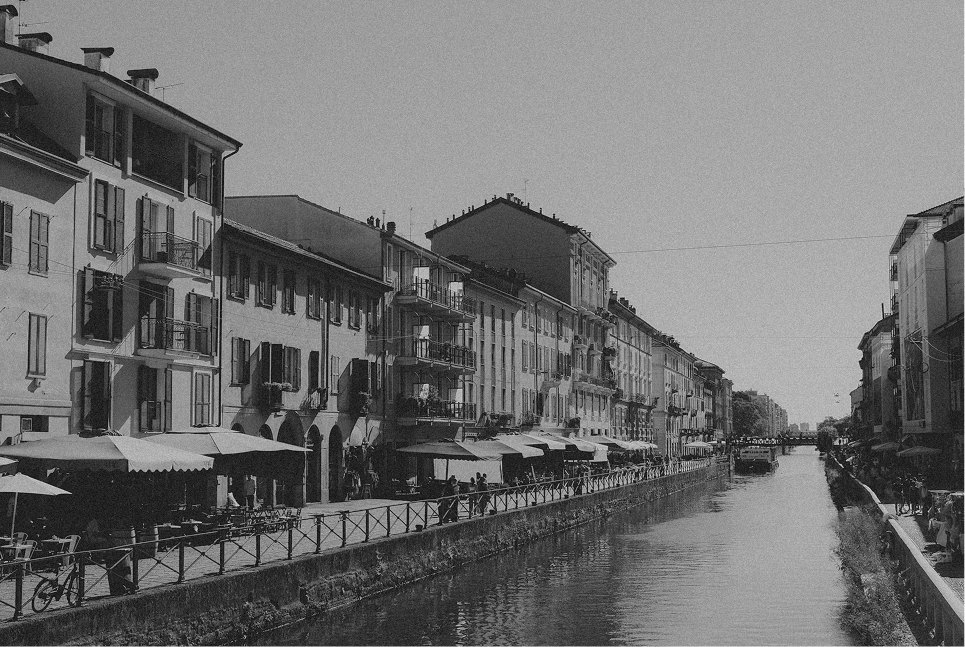
Lambrate — The Art District
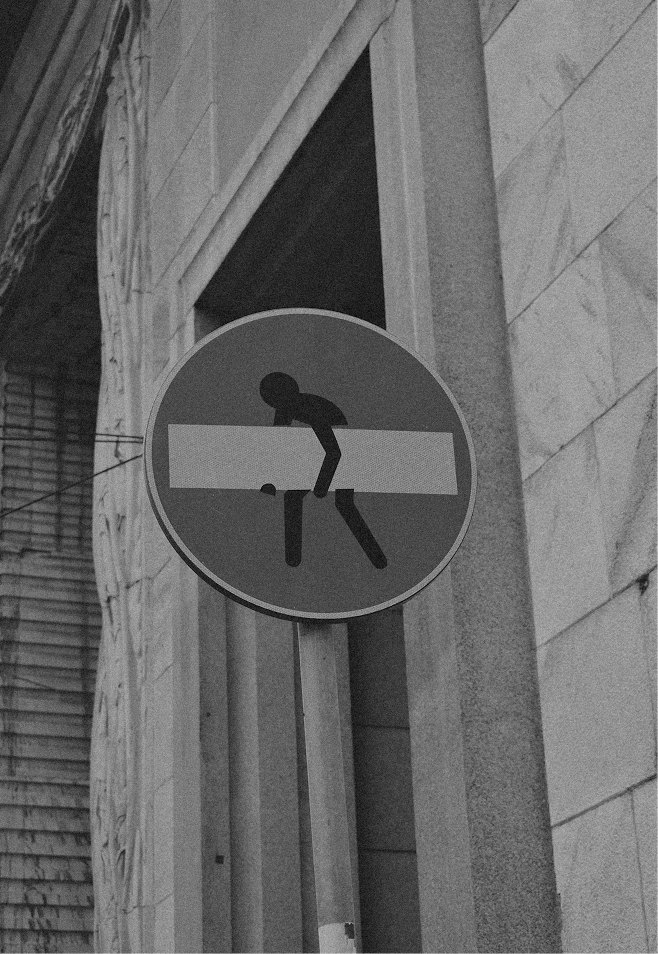
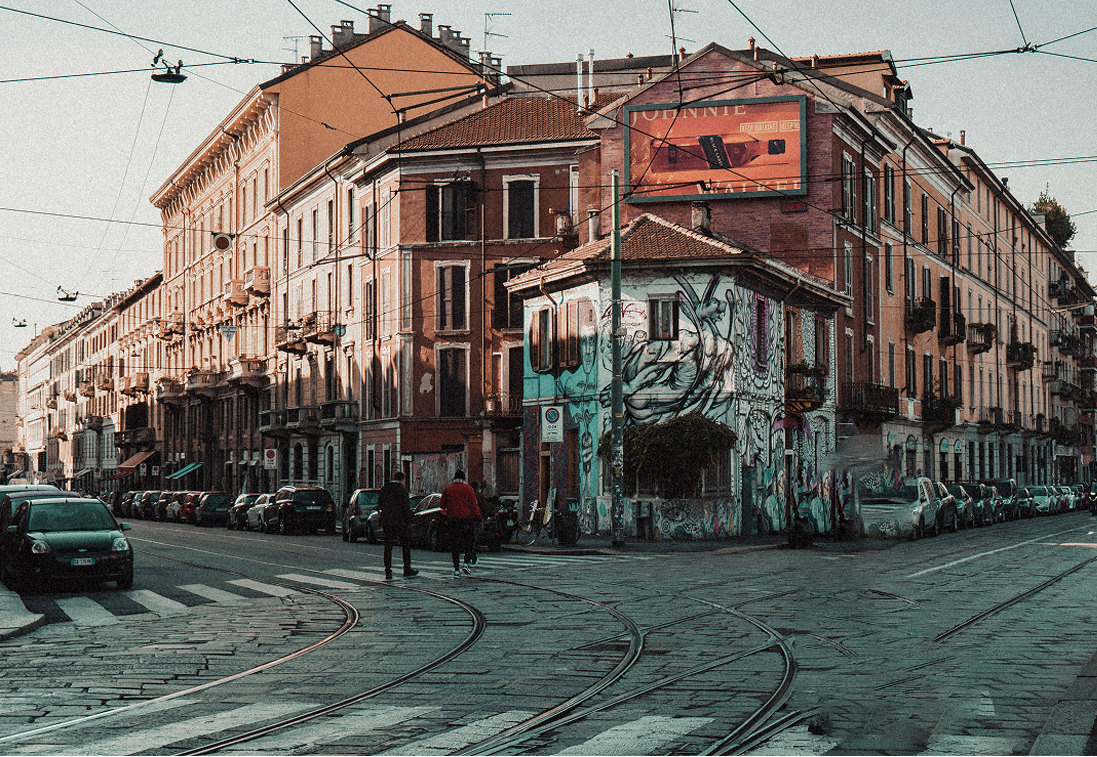
To the east, Lambrate’s industrial past now coexists with galleries, studios and new creative spaces. Around Via Ventura and Via Massimiano, former industrial structures engage with contemporary art and design, revealing a less classical, more experimental side of Milan.
To see
( 01 )Via Ventura — one of the streets that best expresses Lambrate’s creative transformation.
( 02 )Via Massimiano — workshops and spaces connected to the contemporary art scene.
( 03 )Via Conte Rosso — a more neighbourhood-oriented scale within the creative district.
( 04 )Via Rombon — industrial architecture and urban fabric at the eastern edge of the neighbourhood.
The New Generation
NoLo — The Emerging North
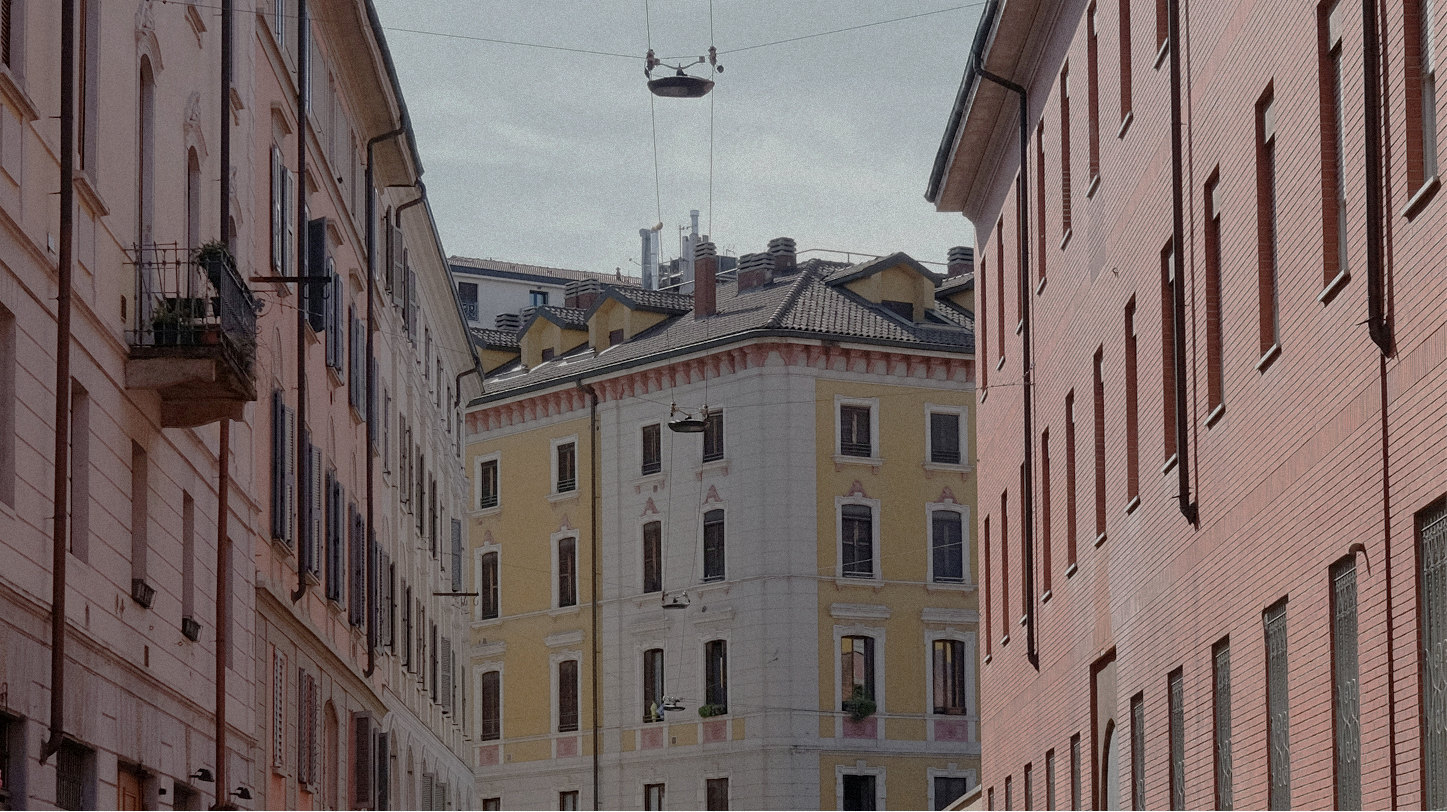
North of Piazzale Loreto, NoLo reveals one of Milan’s youngest and most rapidly changing faces. With working-class roots and a multicultural character, in recent years it has attracted artists, designers and new creative projects while retaining a deeply local identity.
MILANFW26
To see
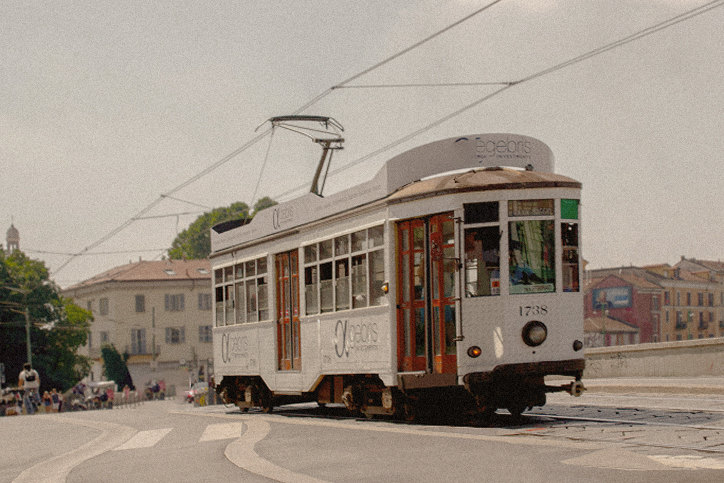
( 01 )Piazza Morbegno — one of the meeting points that best reflects NoLo’s new identity.
( 02 )Via Padova — the neighbourhood’s major multicultural axis and a different perspective on classic Milan.
( 03 )Parco Trotter — a large green space connected to the area’s social and educational history.
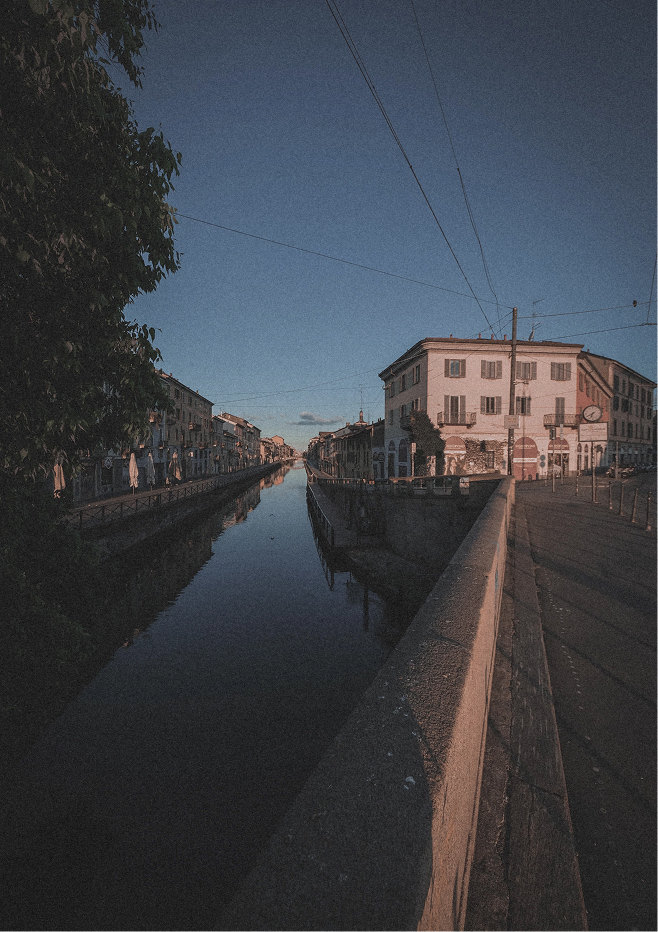
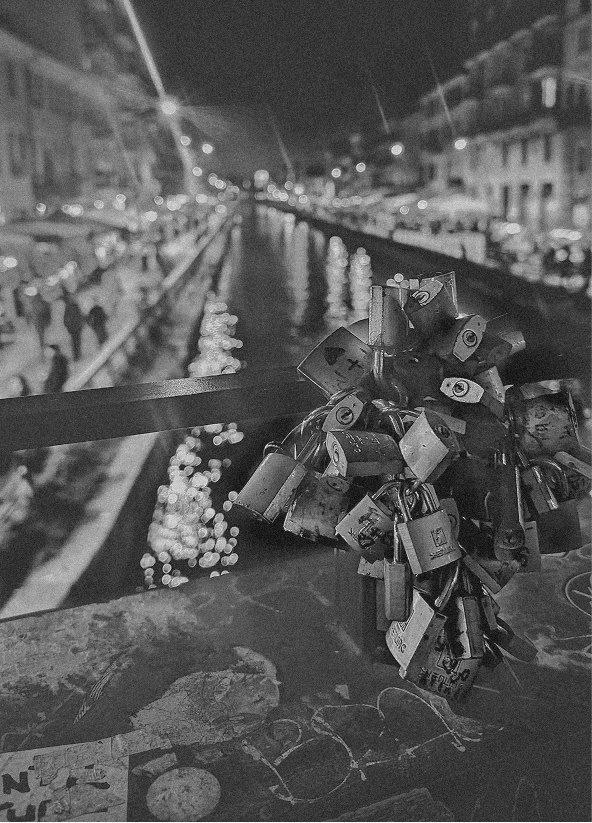
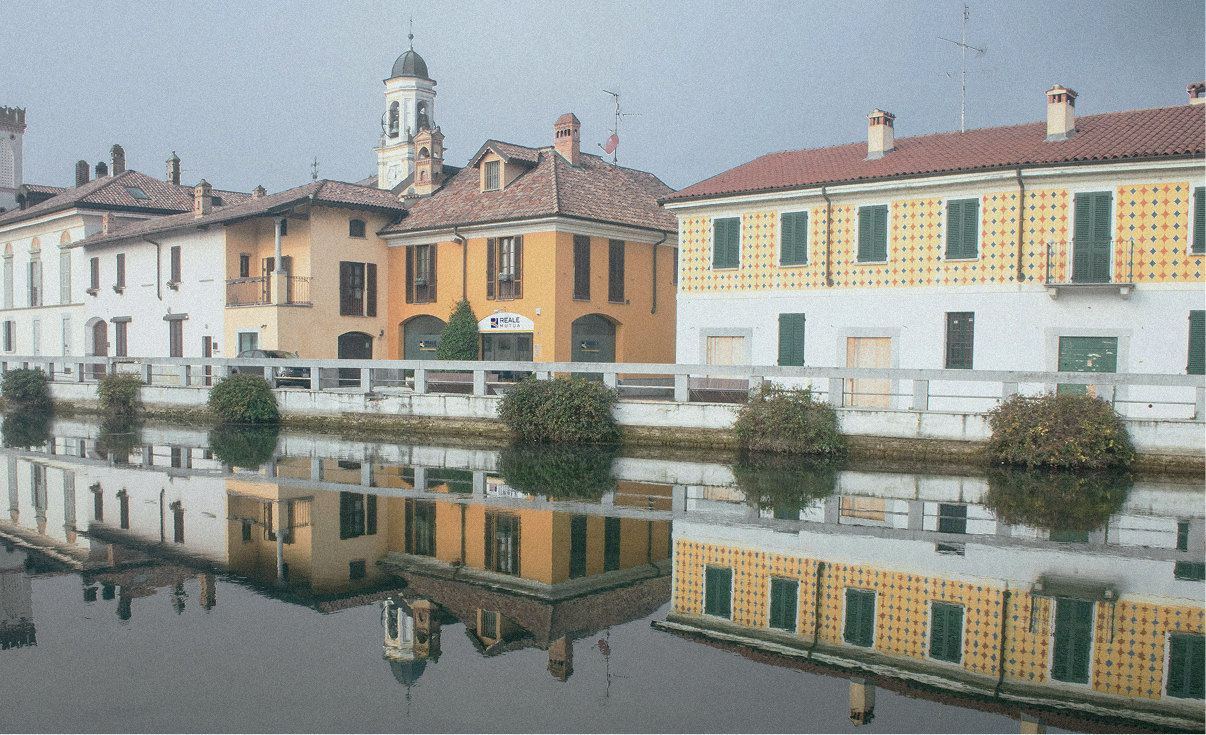
( 04 )Naviglio Martesana — water, greenery and neighbourhood life along one of northern Milan’s historic canals.
( 05 )Via Pietro Crespi — residential architecture and an urban scale that reveals NoLo’s everyday character.
MILANFW26
Towards the Southwest
Navigli and Tortona — The Creative Side
As we move southwest, water and industrial memory introduce another version of the city. Navigli retains one of Milan’s most recognisable landscapes, while Tortona and its surroundings have evolved into an area closely connected to fashion, photography and design.
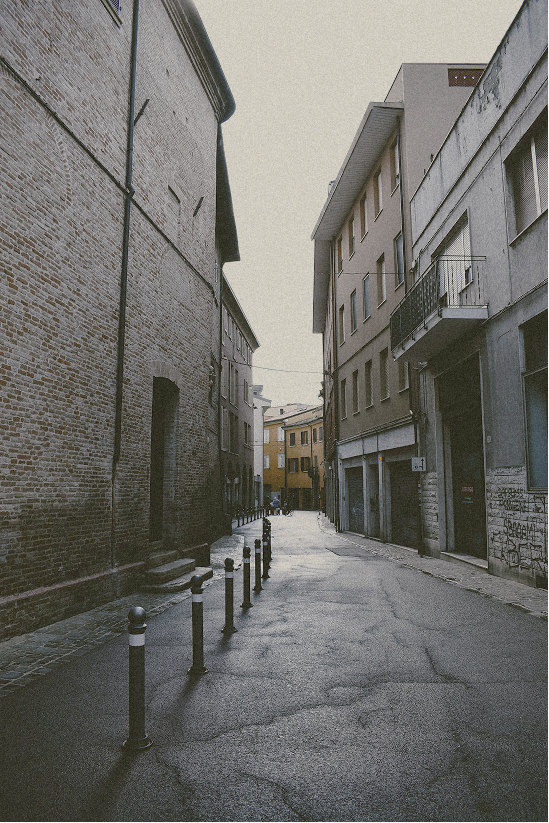
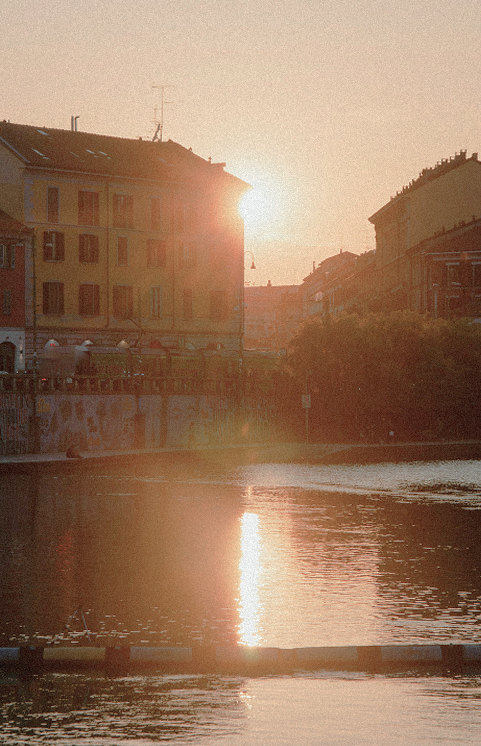
( 01 )Darsena
To see
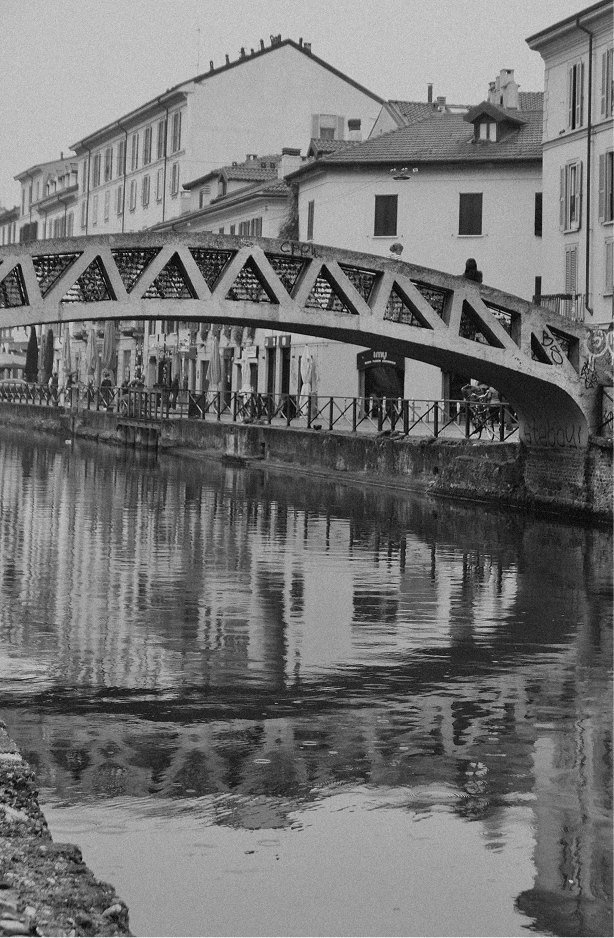
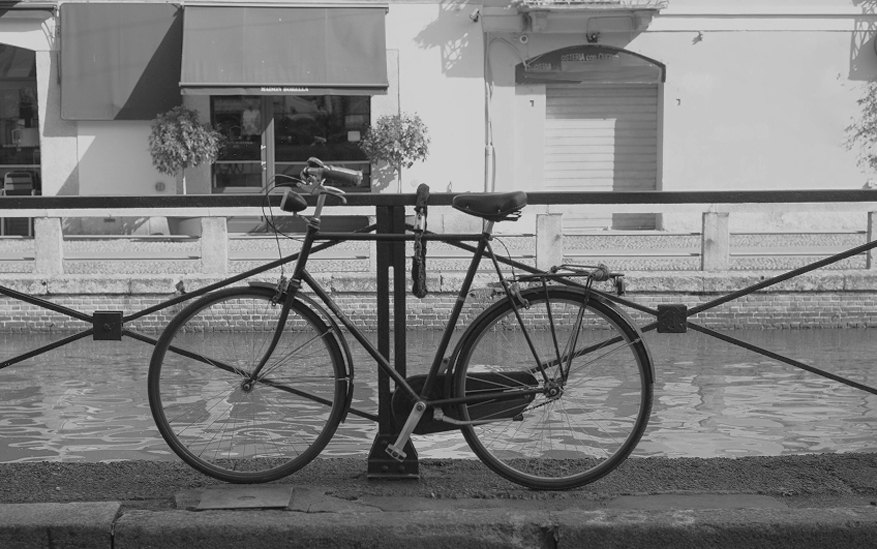
( 01 )Darsena — water and public space as the gateway to the canal system.
( 02 )Alzaia Naviglio Grande — one of the most distinctive urban perspectives in southern Milan.
( 03 )Vicolo dei Lavandai — a small trace of everyday life from Navigli’s past.
( 04 )Via Tortona — industrial architecture and urban transformation in one of the city’s creative districts.
Between shows
# Where to Eat
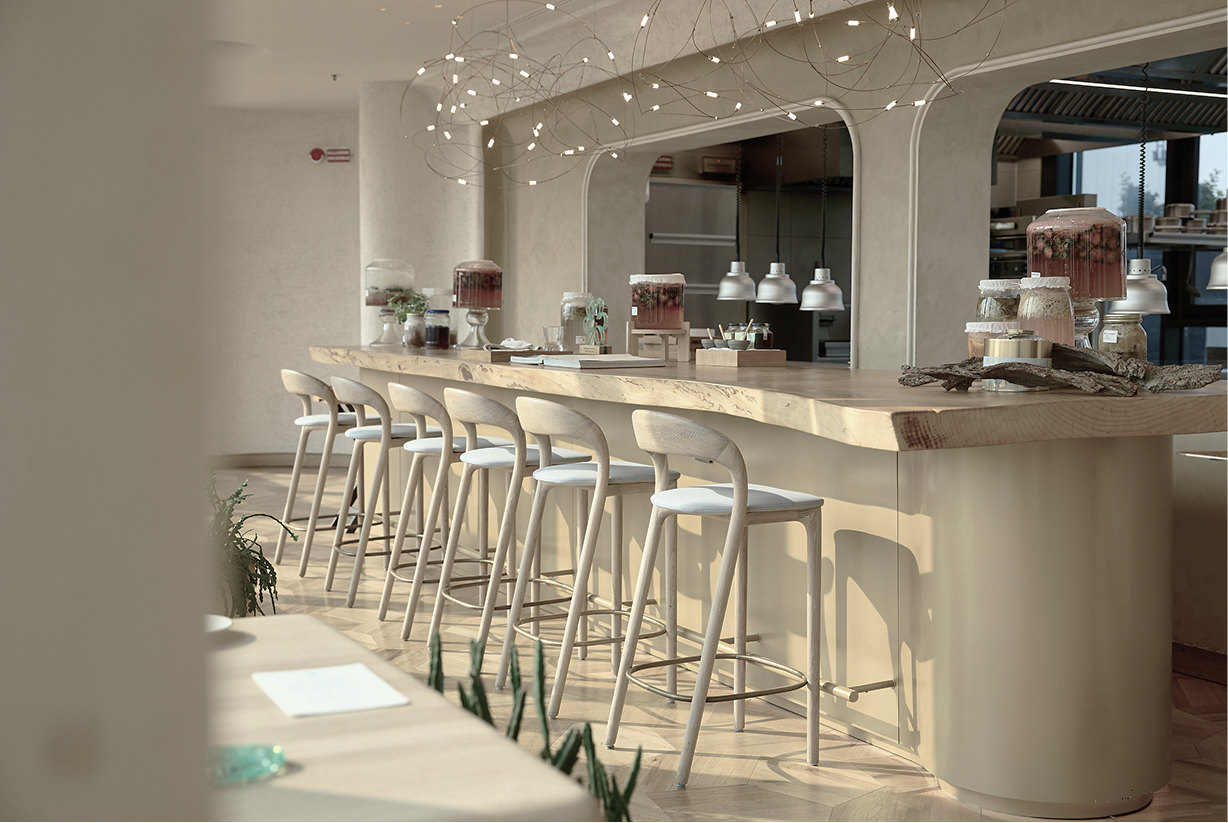
Credit: Courtesy of Horto Restaurant
( 02 )Horto Restaurant — A step from the sky, in the heart of Milan, Horto offers ethical, contemporary cuisine full of flavour and connected to the seasons.
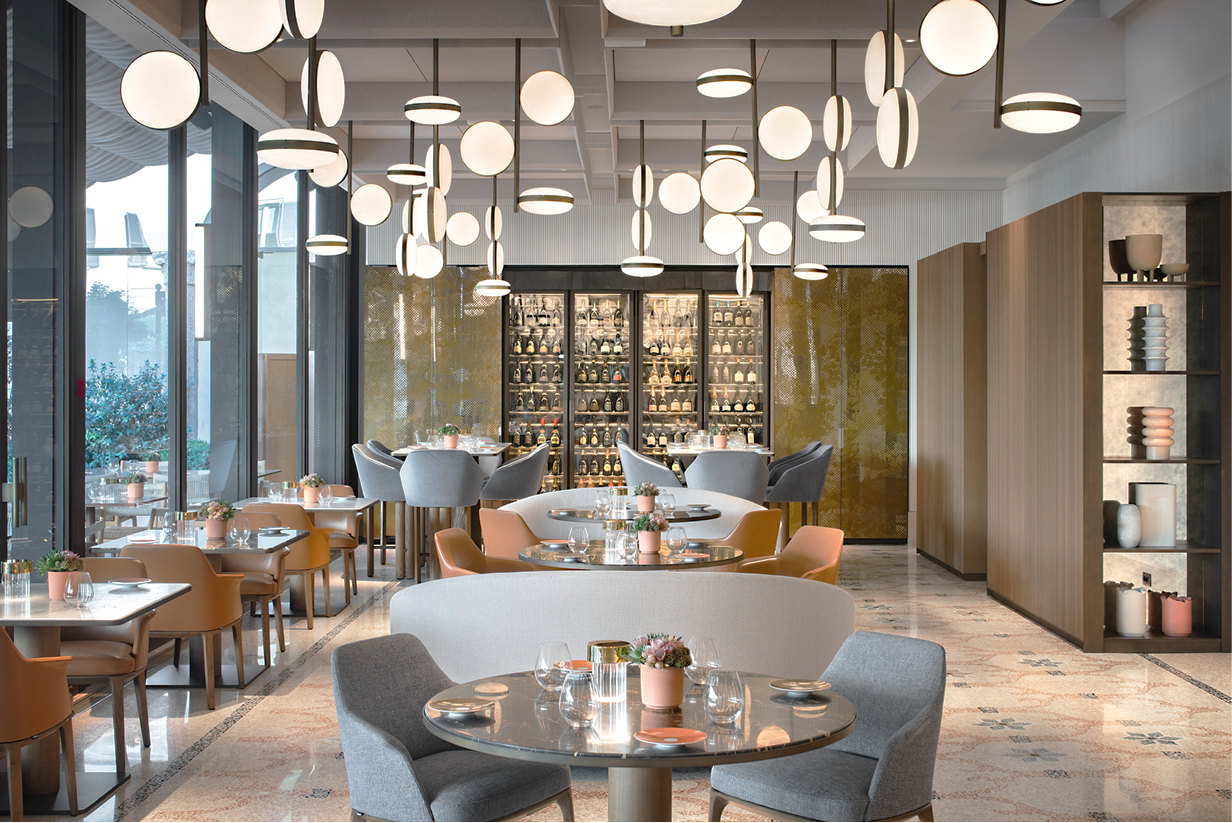
Credit: Courtesy of Four Seasons Hotel Milano
( 01 )Zelo Restaurant — Contemporary Italian cuisine, where chef Fabrizio Borraccino combines carefully selected seasonal produce and familiar flavours, with special attention paid to every ingredient.
# Where to Sleep
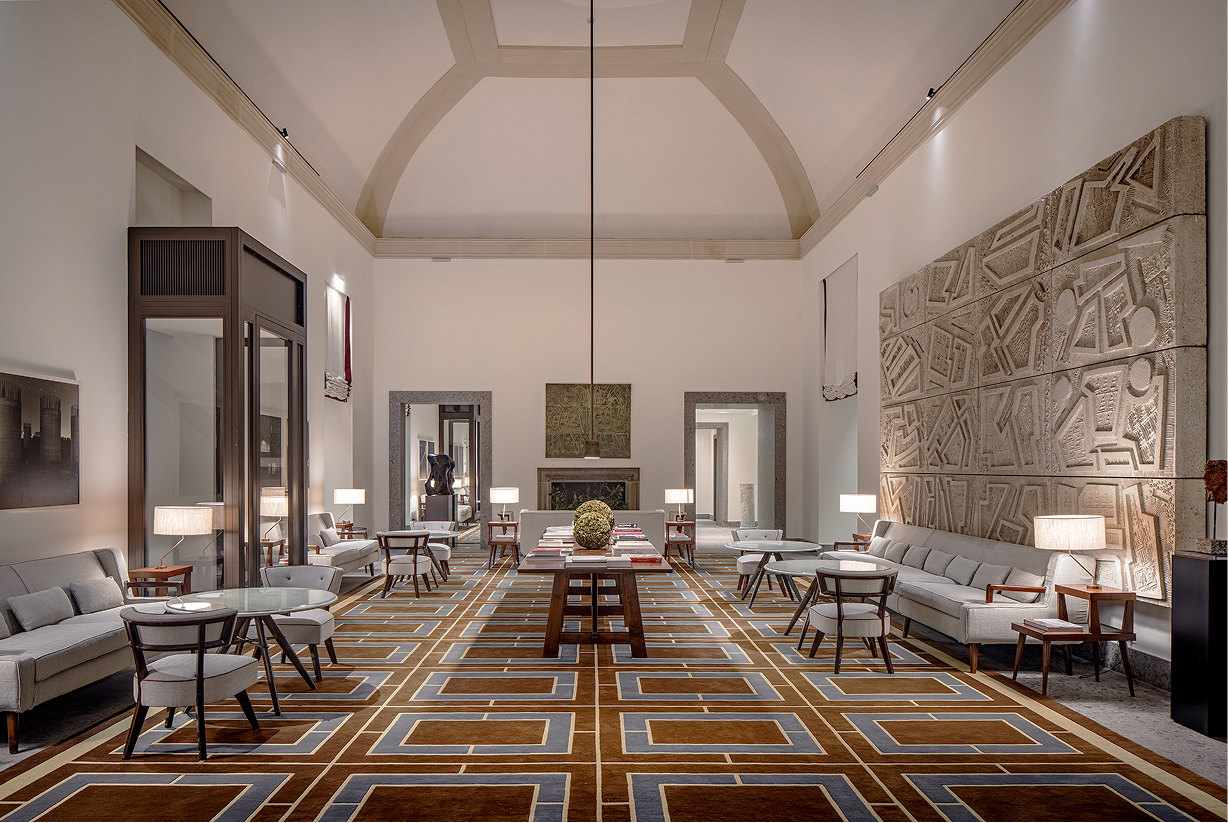
Credit: Courtesy of Portrait Milano Hotel
( 02 )Portrait Milano — Set within the former Archbishop’s Seminary, it combines historic architecture and contemporary hospitality in the heart of the Quadrilatero. Its grand inner piazza connects Corso Venezia with Via Sant’Andrea.
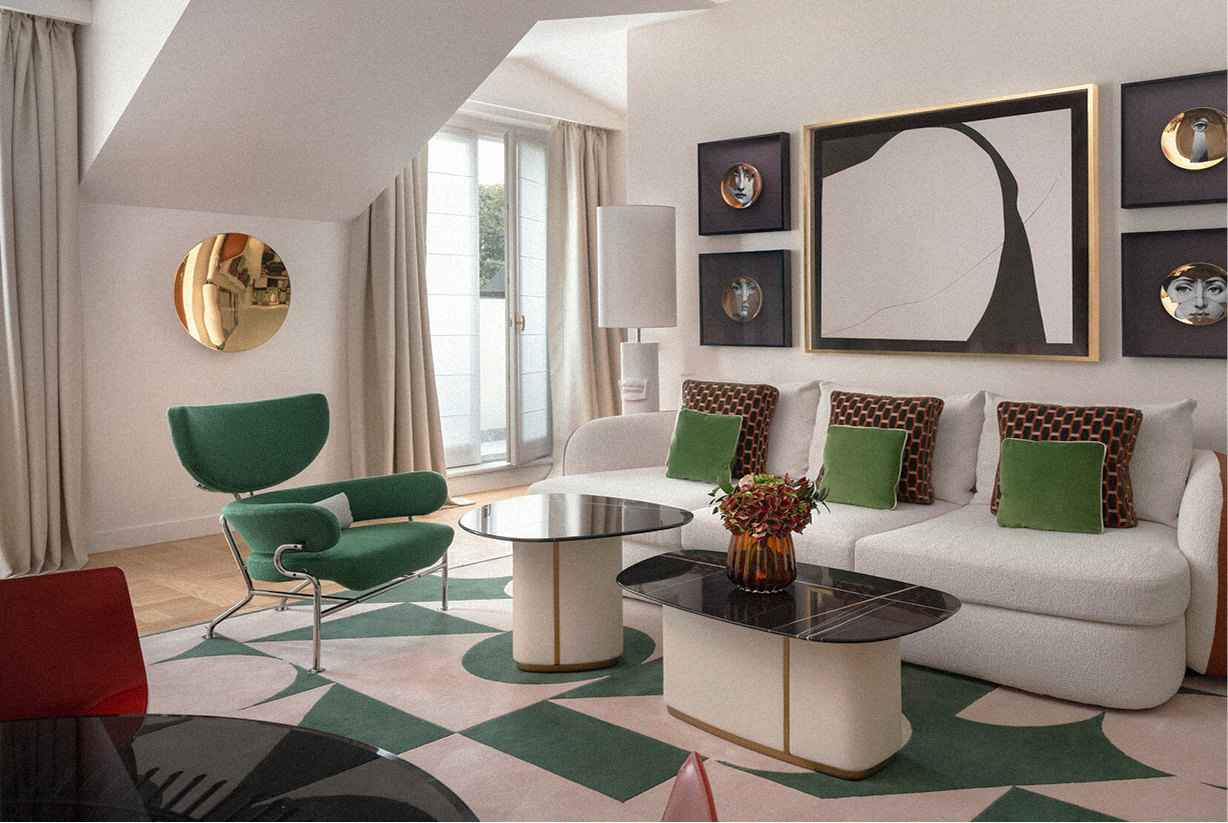
Credit: Courtesy of Four Seasons Hotel Milano
( 01 )Four Seasons — In the heart of Milan’s Fashion District, a former 15th-century convent transformed into a garden retreat, with Italian cuisine and contemporary wellbeing.